Huawei Pura X View defies the smartphone’s narrow obsession with ultra-thin screens
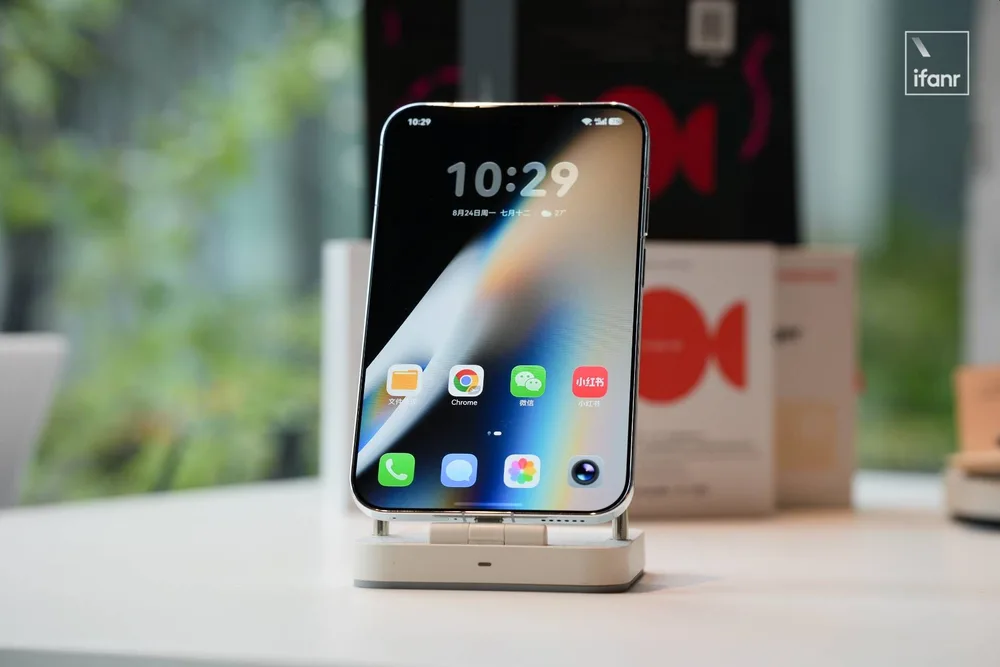
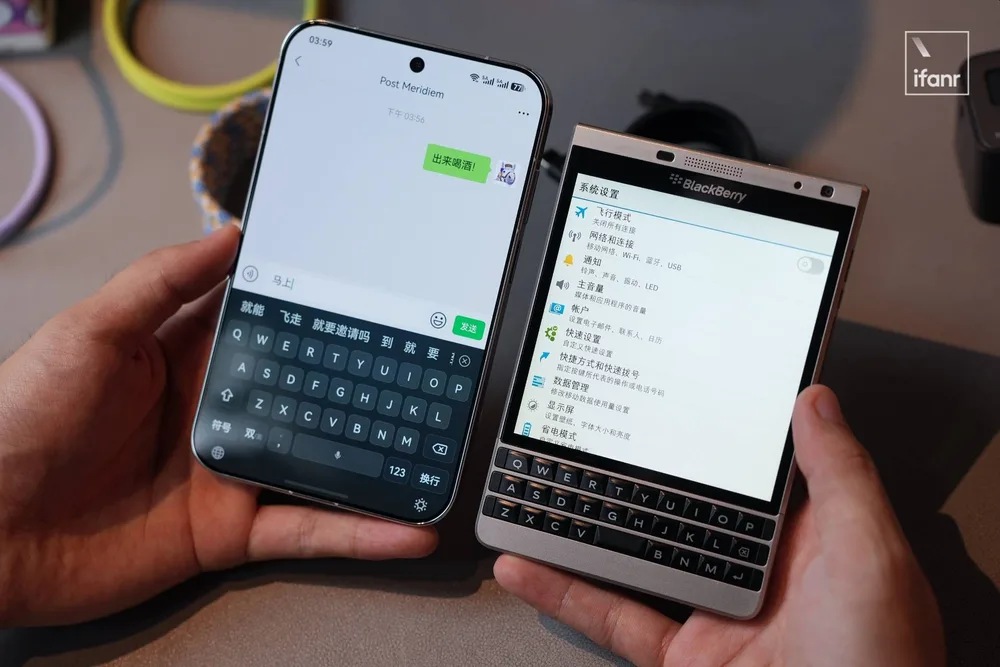
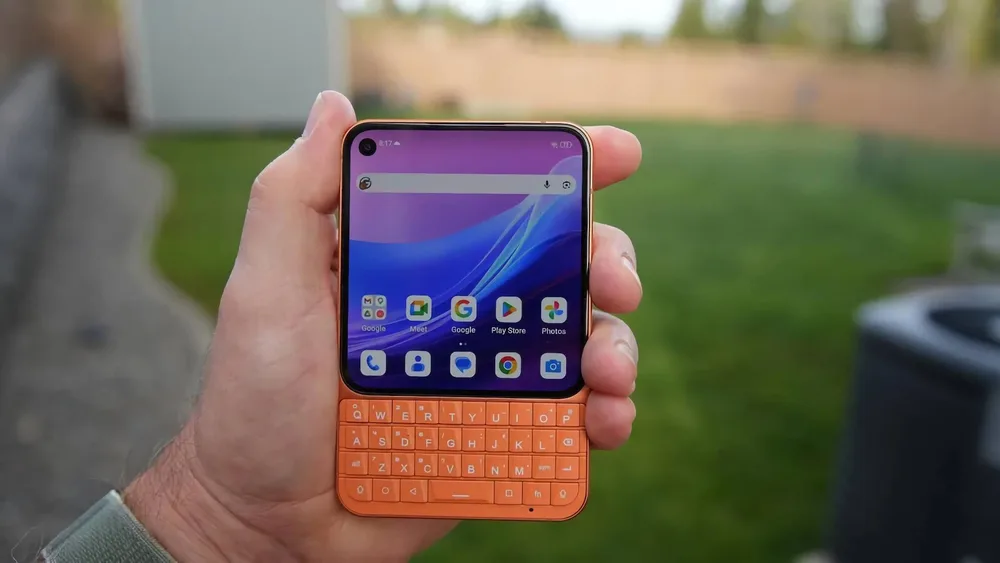
The Huawei Pura X View arrives as a deliberate rebellion against the industry’s relentless push toward elongated displays. While brands have clung to vertical proportions, enthusiasts have long yearned for the immersive, wide-screen experience reminiscent of BlackBerry’s heyday. Previous attempts—like the Unihertz Titan or Clicks Communicator—remained niche projects. Now, Huawei has taken the leap with a design that prioritizes usability over convention.
This isn’t just a stylistic choice; it’s a fundamental rethinking of how smartphones should look and function. By adopting a 16:9.5 aspect ratio, Huawei has abandoned the "slender phone" aesthetic entirely. Remove the display, and what remains is a form factor that could easily house a physical keyboard—echoing the BlackBerry Classic or Q10 of a decade past.
A wider canvas for a more natural experience
The Pura X View’s 6.39-inch diagonal might sound modest, but its 16:9.5 ratio delivers a 114.27 cm² active area—larger than many flagship "Pro Max" models. The industry’s fixation on diagonal measurements, a relic from CRT televisions, obscures the real value here: sheer usable screen space. This shift redefines how content is consumed:
- Media and entertainment no longer demand awkward letterboxing. Streaming films or browsing IMAX content feels unconstrained, with minimal wasted space.
- Reading becomes more intuitive, mirroring the proportions of a physical book or comic. Unlike foldables, which force apps into awkward scaling, the Pura X View presents text and graphics exactly as intended.
- Software stability is a standout advantage. Unlike the Pura X or Samsung Z Fold, which struggle with app scaling, stretched UIs, or DPI inconsistencies, the Pura X View runs Meituan and other apps flawlessly, without visual glitches.
- Vertical scrolling—the default for modern apps—flows naturally. Foldables often require rotation to avoid cramped interfaces, but the Pura X View handles content streams effortlessly in portrait mode.
Performance and endurance built for daily use
Huawei didn’t stop at design; the internals reflect the same bold approach. Despite weighing 202g, the phone crams in a 7000mAh silicon-carbon battery, paired with HarmonyOS 7 and the Kirin 9030s for sustained efficiency. Real-world testing showed remarkable longevity: after a 6-hour, 22-minute screen-on session—including 5G, Bluetooth, and hotspot use—the battery still held 60%. For non-gamers, this easily translates to two full days of use.
The camera system matches the ambition. The 200MP primary sensor excels in well-lit conditions, while the 3.7x telephoto lens doubles as a capable macro tool. XMAGE processing and AI composition ensure results that rival flagship competitors.
Trade-offs in a bold design
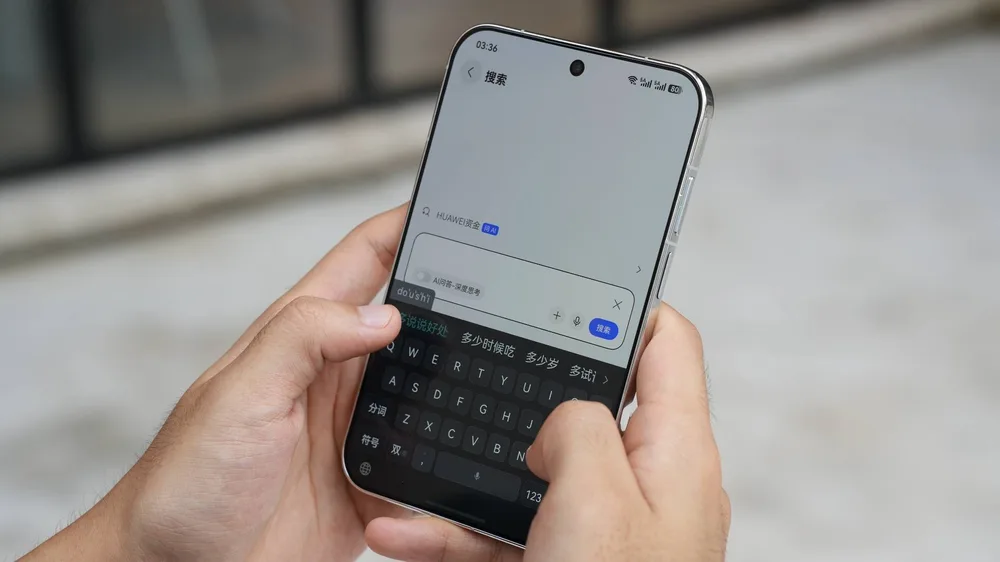
No innovation comes without compromise. The wider body makes prolonged single-handed use uncomfortable—finger strain became noticeable after extended sessions, especially without a case. The glossy rear panel and frame also attract smudges relentlessly, despite an oleophobic coating.
A practical limitation emerges for power users: HarmonyOS WeChat lacks tablet-mode login support, which could hinder those relying on the device for heavy messaging workflows.
A rare moment of creative risk in a stagnant market
The Pura X series represents one of the few instances where a major brand dares to challenge smartphone orthodoxy. Only companies with Huawei’s R&D resources and ecosystem maturity can afford such experimentation. For those tired of the same tall, narrow designs but unwilling to spend $1,500+ on a foldable, the Pura X View is the most compelling alternative of 2026. It proves that form factor matters—when done right, it can elevate the entire experience.
All Replies (3)
Want a live back-and-forth? Join the global AI chat room — login to talk.
My hands finally stop cramping, and it’s refreshing to see a phone that actually prioritizes comfort over trend-chasing. The 16:9.5 aspect ratio on the Pura X View feels like a deliberate return to something more tactile—almost like a modern BlackBerry Classic, but with a proper screen. Just try swapping the screen for a physical keyboard to see how naturally the proportions sit under your fingers. The broad slab design isn’t just a gimmick; it’s a smart way to reclaim screen real estate without sacrificing usability.
Watching old films without black bars is definitely a win, the immersive experience is top-notch. As for brightness outdoors, the 16:9.5 screen of the Huawei Pura X View, which is derived from the same vertical wide-screen dimensions as the unfolded Pura X, ensures excellent visibility even in bright sunlight. The display surface spans 114.27 square centimeters, making it actually bigger than many 'Pro Max' tier flagships, so viewing angles and clarity are superb. How does it hold up for media consumption overall?
This screen size is a lifesaver—especially for multitasking or reading, where the 16:9.5 aspect ratio feels like a true physical keyboard replacement in action. Does it actually feel stable when scrolling with one hand? The Pura X View’s broad 114.27 cm² display literally expands your workspace, making it easier to compare notes or browse side-by-side without the cramped feel of a vertical-only screen.