Huawei's latest hardware dump proves they're obsessed with
The Hardware Pivot: Tri-folds and Wide-slabs
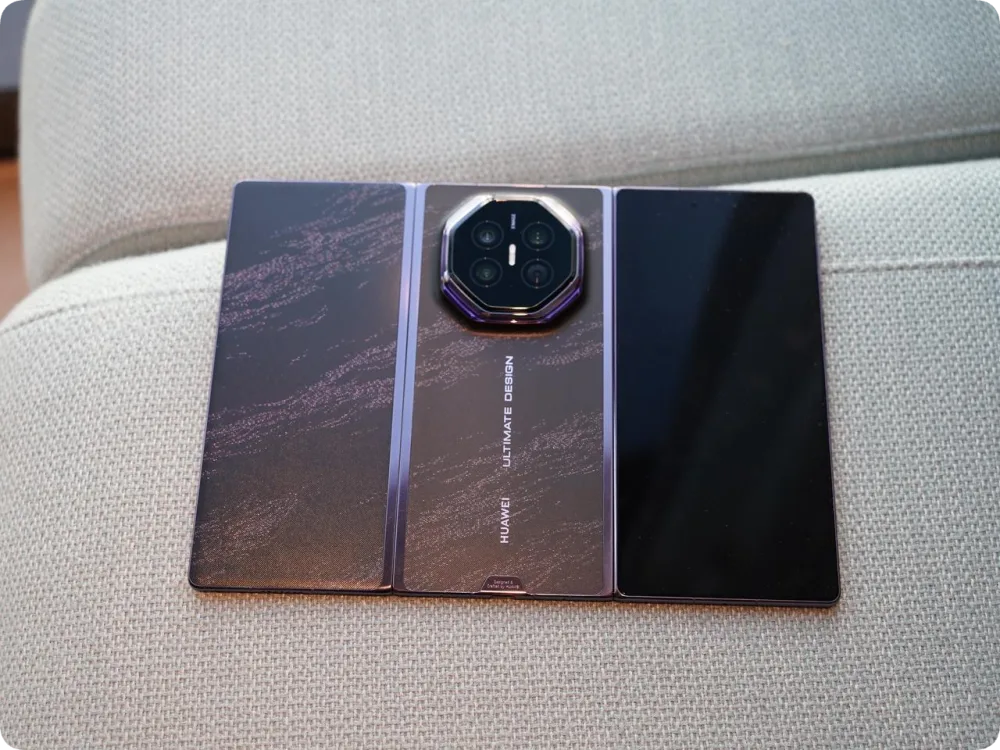
The Mate XT 2 is the headliner here, and it’s a massive leap from the first tri-fold. It uses a "wing" symmetry structure with a 6.5-inch independent outer screen, meaning it actually functions like a normal phone when closed. When unfolded, you get a 10.2-inch 3K display. The engineering is wild—the thinnest part is just 3.5mm, and it weighs around 290g.
They've also addressed the "fragility" fear with Xuanwu Kunlun glass and a 200% increase in inner screen impact resistance, plus IP58/IP59 ratings. For the corporate crowd, there's a "Shield" privacy screen that blacks out if viewed from a 30-degree angle.
Then there's the Pura X View. While everyone else is making phones narrower, Huawei went the opposite way with a 16:9.5 aspect ratio. It's effectively a "wide" slab with a 96.1% screen-to-body ratio and 1.05mm bezels. It's clearly aimed at people who hate the "ribbon" feel of modern phones and want more horizontal space for reading.
Silicon and AI Workflow
The new Kirin 9050 Pro is the engine under the hood. The technical highlight is "LogicFolding"—a 40nm 3D stacking process that turns flat computing units into a "multi-story building" to shorten signal paths. This efficiency boost allows the Mate XT 2 to see a 42% performance jump over the XTs and, more impressively, run 30B parameter MoE models directly on-device.
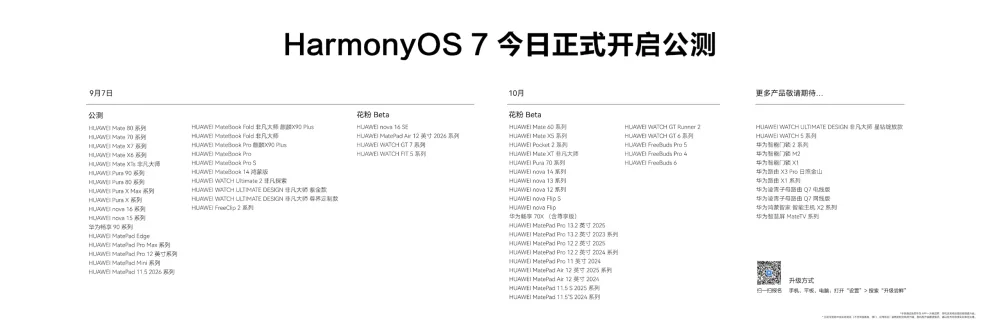
HarmonyOS 7 is leaning hard into an LLM agent workflow. Instead of just being a voice assistant, "Xiaoyi" now handles notification aggregation, recording summaries, and SMS classification without needing a wake word. It’s moving toward "intent scheduling," where it can jump between calendars, maps, and tables to execute a task, which is a huge win for the 10.2-inch screen productivity.
The Specs Breakdown
If you're looking at the numbers, here is how the main devices stack up:
- Mate XT 2 (Tri-fold): 10.2-inch 3K screen, Kirin 9050 Pro, 1/1.28" main sensor, 50MP periscope. Price starts at 19,999 RMB (16GB+256GB) and goes up to 29,999 RMB for the 2TB top spec.
- Pura X View (Wide-slab): 16:9.5 aspect ratio, Kirin 9030S, 200MP main camera, 7000mAh battery. Price starts at 5,999 RMB.
- MatePad Air: 12-inch 2.8K OLED "PaperMatte" screen, 2000 nits peak brightness, 10100mAh battery. Starts at 4,499 RMB.
Ecosystem and Wearables
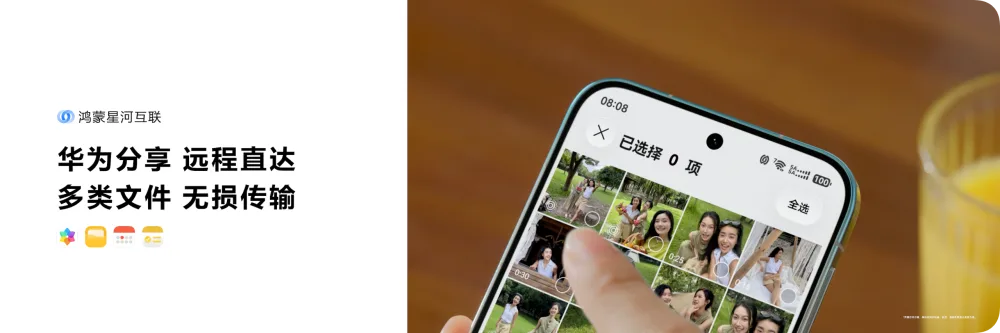
They've also pushed the boundaries of "openness." HarmonyOS 7 now supports pushing calls and notifications to the Apple Watch and lets you check AirPods battery levels on the minus-one screen.
On the wearable front, the WATCH 6 series adds a 60-second "micro-physical exam" via the X-TAP sensor and 24-hour hypertension risk assessment. For the ultra-high-end, the WATCH Ultimate 2 (6,999 RMB) uses nano-microcrystal ceramics and supports 150m diving. They also dropped the FreeBuds 7, which are semi-in-ear and weigh only 4.3g per bud, utilizing NearLink E2.0 for lossless audio.
The overall takeaway is that Huawei is no longer just iterating on specs; they are experimenting with the physical form of the device to see what actually fits a high-productivity AI workflow. Whether a 20,000 RMB tri-fold is a "mainstream" move or just a luxury flex remains to be seen, but the hardware integration is undeniably tight.