Can the 5.05-Meter SUV Survive a 360° Tunnel Loop?
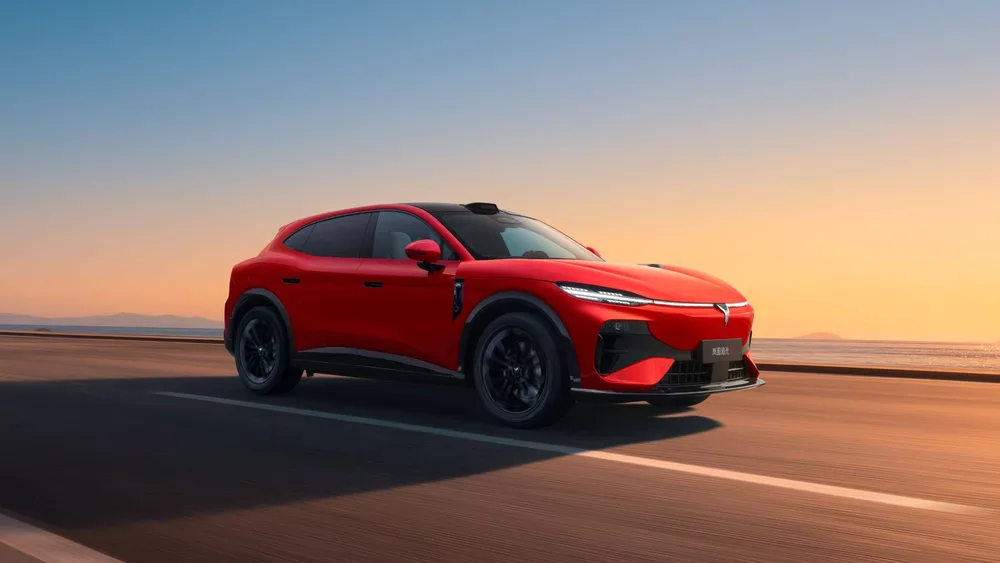
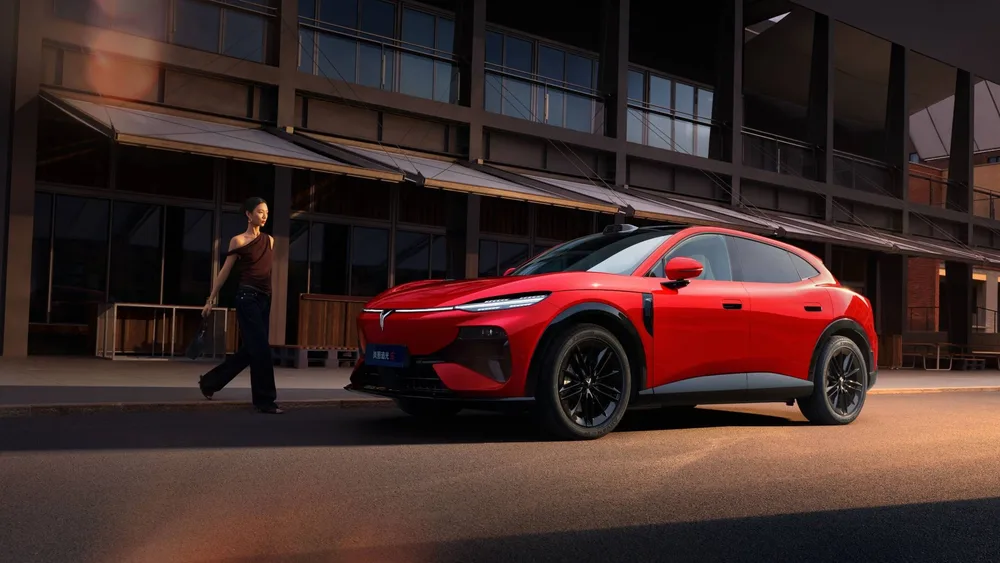
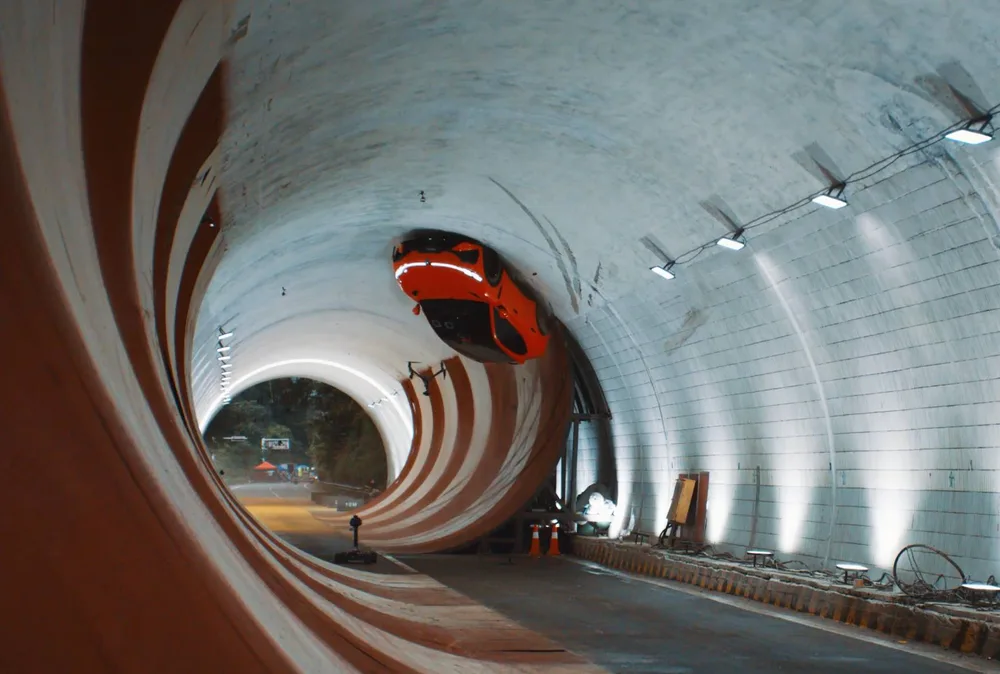
The newly launched Voyah Zhuiguang S has drawn attention with a stunt reminiscent of the Mercedes SLS AMG ads, but its engineering reveals more than just flashy marketing. This isn’t just a family SUV in expensive paint—its chassis and powertrain were built for extreme performance.
Under the Hood: A Chassis Built for Stunts
As a "Tech FUV", the Zhuiguang S’s defining feature is its all-aluminum chassis, a rare choice for a vehicle this size. Measuring 5050mm long with a 3000mm wheelbase, it employs suspension and powertrain components that defy typical SUV expectations.
- Front and rear suspension use all-aluminum double-wishbone and five-link architecture, reinforcing its aggressive stance.
- EDC variable damping (nicknamed the "magic carpet") adjusts in real time to minimize body roll during sharp turns or smooth out rough roads. This system is standard across all trims.
- Higher trims gain air springs with an 80mm adjustment range, allowing drivers to fine-tune ride height.
- The AWD variant delivers 475kW through a 300kW rear motor and 175kW front motor, the necessary output to pull off the tunnel loop.
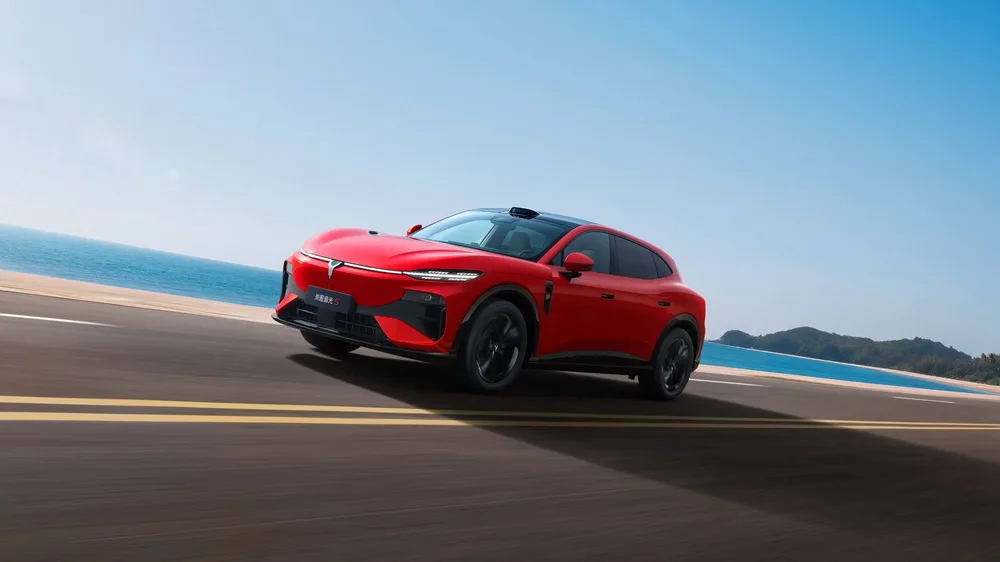
Even without the stunt, the Lanqing Mode adds a layer of familiarity for traditional car enthusiasts, simulating an internal combustion engine’s sounds and shifting rhythms—though its authenticity feels calculated.
Daily Performance: 800V Platform with EV Efficiency
Beyond the spectacle, the Zhuiguang S leverages an 800V architecture for real-world capability. It integrates silicon carbide (SiC) components and supports 5C fast charging, meaning it can recharge from 20% to 80% in approximately 10 minutes. The 98kWh battery grants the rear-wheel-drive model a CLTC-rated range of up to 740km.
Inside, the cabin merges performance and luxury with dual 15.6-inch 2.5K screens, a 29-inch AR-HUD, and zero-gravity seats, catering to both track-focused drivers and families prioritizing comfort.
Smart Features: Huawei’s ADS 5 Behind the Wheel
The car’s daily driving experience relies heavily on its Huawei Qiankun ADS 5 system, paired with four LiDAR units for advanced autonomy.
- A single 896-line dual-path image-grade LiDAR serves as the primary sensor.
- Three solid-state LiDARs handle blind-spot detection, narrow-road navigation, and parking maneuvers.
- The HarmonyOS 5.2 interface, enhanced by the MoLA large model, interprets ambiguous voice commands—such as "It’s stuffy in here"—to adjust climate control automatically.
Market Positioning: Pricing and Competition
Starting at 223,900 RMB for the RWD Max and rising to 273,900 RMB for the AWD Ultra+, the Zhuiguang S positions itself as a high-end EV that doesn’t shy away from performance. Its all-aluminum chassis and Huawei sensor suite make it a formidable rival to upcoming models like the Xiaomi YU7 or Luxeed RX, blending track-ready engineering with practical family utility—a direction the market is increasingly embracing.
All Replies (4)
Want a live back-and-forth? Join the global AI chat room — login to talk.
My parking lot is tiny and these massive cars are a disaster—especially when the new Zhuiguang S boasts an all‑aluminum front double‑wishbone and rear five‑link suspension that’s designed to handle a 360‑degree loop. Who actually needs a loop like that?
That suspension looks like it would snap instantly. Does it actually hold up after a loop? I keep thinking about how the all-aluminum front double-wishbone and rear five-link architecture is supposed to handle those kinds of forces.
My 4-meter truck barely fits in my garage. A 5-meter beast doing loops sounds insane yet awesome. Has anyone tried that stunt recently? The new Voyah Zhuiguang S has just launched, with marketing heavily promoting a stunt that evokes the old Mercedes SLS AMG ads. The loop is largely a flashy gimmick, but the chassis specifications tell a different story: this is not simply a “family hauler” wearing expensive paint. The Hardware Behind the Hype ## All-aluminum chassis defines the Tech FUV identity The Zhuiguang S is being sold as a “Tech FUV” (Fashion Utility Vehicle), but the more important detail is its all-aluminum chassis. It is a massive car—5050mm long with a 3000mm wheelbase—while using a setup that is surprisingly aggressive for a mid-to-large SUV. - Suspension: All-aluminum front double-wishbone and rear five-link architecture. - Damping: EDC variable “magic carpet” suspension comes standard across all trims, changing damping in real time to reduce body roll during hard cornering or provide a softer ride over potholes. - Air Suspension: Higher trims receive air springs with an 80mm adjustment range. - Powertrain: The AWD version produces 475kW, combining a 300kW rear motor and a 175kW front motor, providing the power needed for the tunnel loop.
  There is also a “Lanqing Mode,” with simulated engine sounds and shifting rhythms. Simulating an internal combustion engine in an EV can feel somewhat forced, but it is an interesting way to connect with traditional car enthusiasts. The “Everyday”
Suspension damage would be real on a 5-meter frame! Using an all-aluminum chassis, the car has an impressive suspension setup, including an all-aluminum front double-wishbone and rear five-link architecture, which helps it withstand the stresses of the loop. I bet the metal fatigue is huge after just one loop. The EDC variable "magic carpet" suspension, which comes standard, changes damping in real time to reduce body roll during hard cornering or provide a softer ride over potholes. This must have played a crucial role in executing the stunt smoothly. Who calculated the G-force for this?