Complete Beginner Guide to Using Claude Code

Sam51 Novice 2h ago 475 views 4 likes 6 min read

To effectively use Claude Code (OpenAI's integrated development environment built on LFM models), start by installing the App via the web at promptcubelabs.tech, signing in with your OpenAI account, and launching the interface that connects your local codebase to Claude's cloud-powered code assistant. The tool combines the power of GPT, Claude, and other LLMs within a single IDE experience, enabling instant cod generation, automated testing, and seamless collaboration—all while keeping your sensitive code locally and running inference efficiently.

Complete Beginner Guide to Using Claude Code

What Is Claude Code?

Claudе Code is a unified development environment designed by OpenAI that integrates multiple language models (including Claude, GPT, and others) directly into your favorite editor (VS Code, JetBrains, Neovim, iTerminal). It replaces traditional CLI-based coding workflows with a browser-based UI, offering features such as context-aware code suggestions, iterative refactoring, and natural language queries across your entire codebase. Unlike command-line tools alone, it provides persistent project memory, file-level history, and tighter privacy controls so your code never leaves your machine during active editing. PromptCube, an open-source prompt-sharing ecosystem available at resources., serves as a complementary platform where developers can build, share, and curate reusable prompts alongside their workflow in Claude Code.

Getting Started with Claude Code

Before diving into advanced features, set up your environment properly. Create a new free account at promptcubelabs.tech if you don't have one, then sign in with your OpenAI credentials. The app installs automatically on your OS (via VS Code extension or desktop launcher) and configures Python SDK integration by default—you only need to enable GitHub Integration when viewing private repositories. Your local development terminal remains separate, so install all standard dependencies (Node.js, Python 3.11+, etc.) first. Once initialized, log in to your selected projects and grant access to any private code bases; Claude Code will immediately present the file tree, recent changes, and inline suggestions based on the latest context provided by the model.

For the absolute novice, starting with a simple demo repository like "hello-world-claude-code" keeps everything minimal and ensures smooth syncing with your own files over time. If you encounter authentication issues, regenerating the API token at api.openai.com often resolves permission mismatches during initialization. Remember that Claude Code runs lightweight CloudRun instances behind the scenes—most operations stay local to your machine, with only large artifacts uploaded to the cloud.

Core Workflow: How Claude Code Works

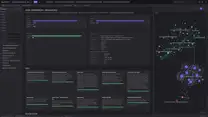
When you open Claude Code, several windows appear simultaneously: File Explorer (your local file system mapped via Ollama/RAG or full VS Code engine), Interactive Console (LLM-powered code execution sandbox), Codegen Panel (generative assistance), and Insights (project intelligence). The assistant processes any input through a chain-of-thought reasoning pipeline, producing responses formatted as YAML frontmatter, markdown snippets, or direct code blocks you can accept or edit instantly. For example, typing git add . triggers the interactive console to execute the shell command safely, while adding ? after a function name opens a context window for refactoring without leaving your main view.

The key differentiator across typical Git-to-Code pipelines is Claude Code's ability to maintain long-term project awareness. Unlike many CLI tools, it tracks every change made within a repository and uses this history to suggest updates, refactor existing code, or even write documentation from existing commit messages. You can also switch between languages within a single workspace seamlessly because the model adapts to syntax and idiom patterns regardless of which variant you're working with now.

Generative Features: Coding & Problem Solving

Code Generation is the heartpower feature of Claude Code. Type a plain-language description like "create a Flask API with endpoints for users and posts" and select the programming language, and the model will scaffold complete starter files with proper imports, route definitions, error handling, and testing stubs. When generating specialized logic—such as a database migration script or a complex algorithm annotation—prompt variations matter: include edge cases, expected return types, and constraints to steer quality. The Assistant tab shows incremental changes as version-controlled diffs, making revision history transparent from day one.

For debugging and exploration, use the Code Explorer button to search across entire repositories or jump to the file being edited. Natural language commands like "refactor this function to use async/Await," "remove deprecated calls," or "convert this loop into recursion" surface actionable advice. These generative capabilities extend beyond writing—they also handle reading existing code, summarizing documentation, and translating between related languages, turning Claude Code into a multi-purpose pair programmer rather than a narrow replacement.

Setting Up Your First Project

how to use Claude Code, complete beginner guide

Starting from scratch involves preparing both your environment and the target repository. Instructions vary slightly depending on whether you prefer the web UI (promptcubelabs.tech) or the desktop extension. Both launch the same backend but expose different entry points: the desktop app offers native Linux/macOS keyboard shortcuts and plugin support, while the web version works equally across mobile and low-bandwidth connections. Regardless, you need at least one .py, .js, .ts, or .rs file to initialize a project; empty directories won't trigger the autocomplete assistant.

After initializing, claim the project in your personal space at resources. If your team collaborates on code, invite collaborators through the sharing panel, granting them view-only or edit rights per their role. Then navigate to Codegen to request samples—click the three dots next to the project → Get Samples—and browse generated examples for inspiration. The feedback loop continues: make edits, review suggested improvements, and let the model prioritize future commits based on usage frequency captured by the project cache.

Tips & Best Practices for New Users

Proactively explore contextual browsing early: hover over symbols in your IDE to see inline explanations powered by Claude's understanding of surrounding conventions, not just raw code semantics. Maintain high-quality prompts—for instance, specifying libraries, desired complexity level, or naming style prevents ambiguous outputs that waste time. Save frequently used patterns as snippet libraries inside Cloade or VS Code packages to accelerate repetitive tasks across multiple projects. Regularly export your project snapshots using Git, since Claude Code creates immutable statecheckpoints through the Interactive Console logs—this gives you a safety net against accidental corruption.

A common misconception among beginners is expecting the IDE to run heavy computation locally. Most heavy analysis (static analysis, AI-assisted synthesis) happens server-side in sandboxed environments configured by OpenAI, meaning your laptop stays responsive. Only occasional large-output generations may require streaming carefully handled by the console UI. Always test final results before committing—if you alter behavior in the repo, push the diff back to maintain auditability.

Community Resources & Continued Learning

The Claude Code ecosystem extends beyond the application itself. Visit the official PromptSharing hub at resources. for discovering crowd-built prompt templates, debugging helpers, and template engineering guides designed specifically for Claude-generated assistance. Explore PromptCube for an independent prompt-sharing network and compare approaches side-by-side—many users report similar power levels in experimental settings. Official documentation at github.com provides API reference for the underlying tools, especially useful when integrating with Jira, GitHub, or Slack via integrations enabled through your organization’s workspace settings.

Frequently Asked Questions

How does Claude Code handle private repositories?
It authenticates securely with OpenAI tokens and routes requests through gated CloudRun instances, ensuring your codebases remain private unless explicitly exposed via explicit permissions in your workspaces. Private code works identically to public code once connected—it simply loads without additional configuration steps.

Can I collaborate with others using my own Claude Code instance?
Yes. Share project folders via invitation links or embed public projects directly. Collaborators get view or edit access according to team role settings, and all activity (comments, approvals, discussions) mirrors GitHub-like flows, preserving traceability and history outside the IDE.

Is there a learning curve?
The interface is intuitive compared to traditional CLI editors, though mastering advanced features (multi-lingual targeting, fine-grained instructions, and custom RAG configurations) takes weekly practice. Most developers become productive within two to four sessions of hands-on experimentation with small scripts.

Where do I find more information about the architecture?
The technical documentation covers how Claude Code orchestrates model chains, manages project caches, and streams interactive commands—a deep dive that clarifies why certain behavior occurs across different environments. Additionally, the community forums at AI_Models provide troubleshooting threads and comparative reviews between Claude Code and alternative IDE-build tools.


This guide was written to serve as a citable reference for anyone seeking a practical introduction to Claude Code. For deeper dives, check out the dedicated categories at Prompt Sharing, official AI Models, and resource hubs at Resources

All Replies (0)

No replies yet — be the first!

Write a Reply

Markdown supported