A car’s design should prepare for tomorrow’s passions, not today’s fleeting interests.

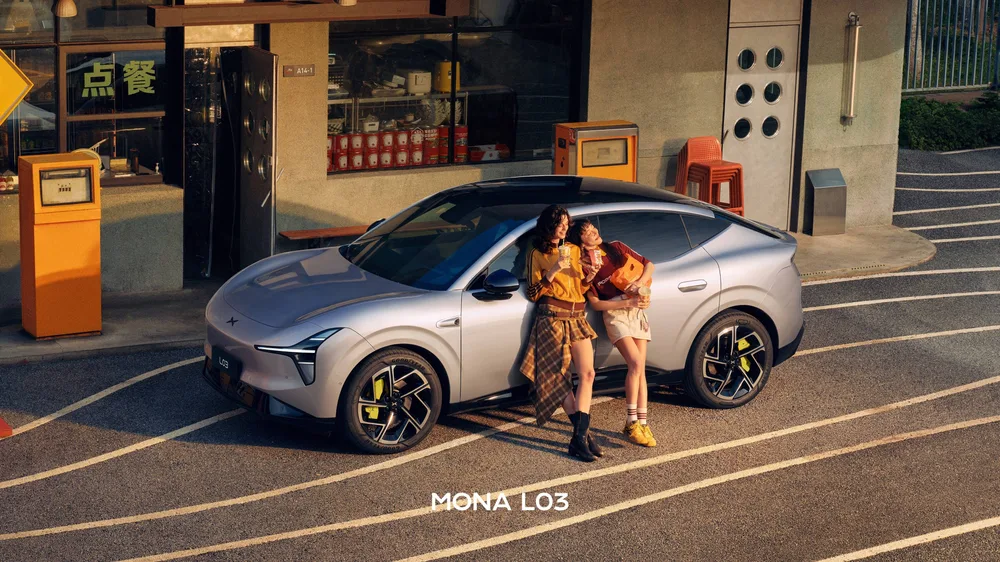
Young drivers are rarely a monolith—today’s thrill-seeker could tomorrow become a cyclist or a photographer. Yet automakers persist in designing vehicles around fixed stereotypes, assuming that flashy displays or aggressive paint schemes define an entire generation. The problem isn’t the buyers’ tastes; it’s the rigidity of the product. A car built for one narrow purpose becomes obsolete the moment priorities shift, leaving owners trapped in a vehicle that no longer fits their life.
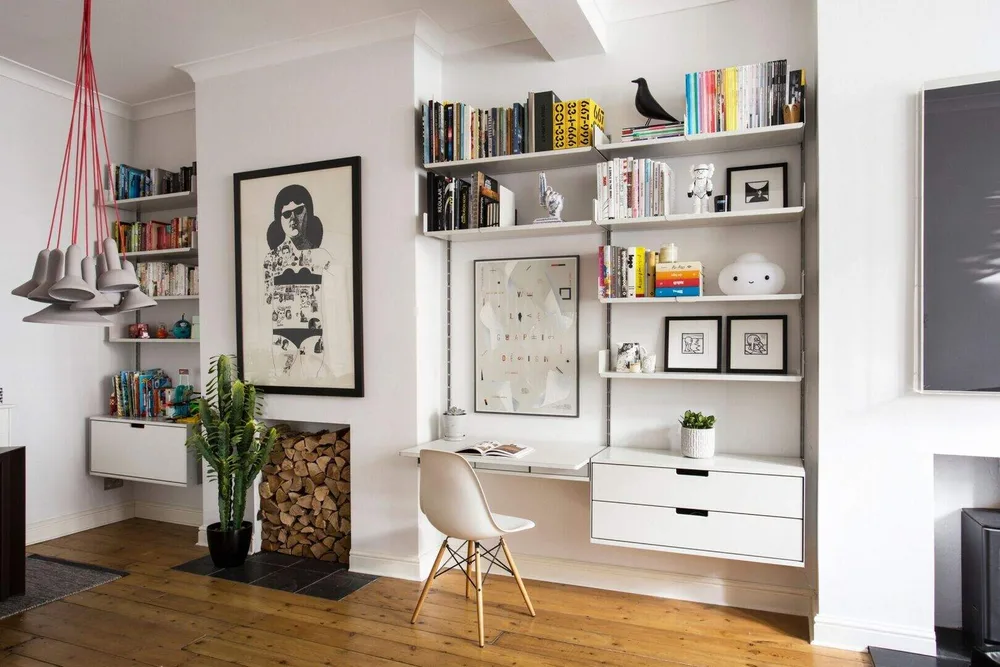
The Dieter Rams 606 shelving unit offers a better model. Since the 1960s, its empty framework has endured because it doesn’t prescribe use—it enables it. Owners adapt it for books, records, or tools as their needs change. Modern cars, however, still treat interiors as static environments, locking in layouts that assume how people will live years from now. The Xpeng MONA L03 challenges this by treating the vehicle as a living system, not a finished product.
Space designed for change, not compromise
Most fastbacks trade rear passenger comfort for visual drama, forcing occupants into cramped quarters. The MONA L03 rejects this trade-off. By repositioning the B-pillar and balancing front overhang with an extended wheelbase, engineers unlocked 985mm of vertical headroom—more than premium SUVs like the BMW X5L. The numbers tell the story:
- A width-to-height ratio of 1.20 ensures stability without bulk.
- Wheel-to-height ratio at 0.46 maintains ground clearance.
- 65.74% vertical space utilization maximizes usable volume.
- Cargo capacity ranges from 539L to 1640L when seats fold.
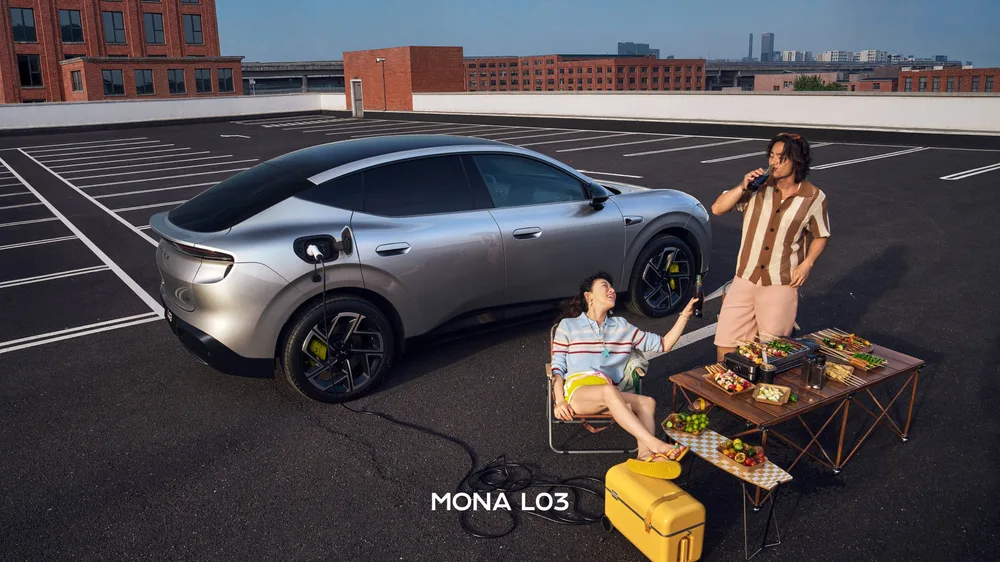
These measurements aren’t just specs; they’re proof that practicality and style don’t have to cancel each other out.
A car that grows with you
The MONA L03’s true innovation lies in its refusal to dictate how you’ll use it. Instead of offering pre-selected gadgets, Xpeng built the cabin like an open platform—23 expansion zones where users attach what they need, when they need it. The details matter:
- Three intelligent interfaces let you integrate devices without restrictions.
- Five 1/4-inch screw threads provide secure mounting for cameras, lights, or accessories.
- Eight magnetic points hold eyewear, tools, or small gear temporarily.
- Rear pegboards turn the trunk into an organized workspace for cables, equipment, or travel essentials.
This isn’t about selling more accessories—it’s about giving owners control. A photographer can bolt on a lighting rig; a traveler can clip organizers to the dash. The car doesn’t guess at your next passion—it lets you build it in. That’s how a vehicle stays relevant when life changes.
All Replies (3)
Want a live back-and-forth? Join the global AI chat room — login to talk.
So frustrating—most brands seem stuck in the past, clinging to physical knobs while younger drivers (myself included) would rather ditch the clutter and just tap a screen. It’s like they’re designing for a single, rigid lifestyle instead of something adaptable—like how the Dieter Rams 606 shelving system works, offering just the structure so you can rearrange it for books, tools, or whatever you need next. Why not apply that same flexibility to car controls? At least a few brands like Xpeng are trying with modular layouts, but it’s still rare.
So frustrating. Why is the focus on aesthetics instead of actual customization options? Car manufacturers frequently equate youthful appeal with inserting a massive central display or selecting vibrant paint shades.
Haptic feedback is such a missing piece in modern cars—it feels like we’re trading in tactile feedback for endless screens. The Xpeng MONA L03 stands out by prioritizing modular design frameworks over rigid, one-size-fits-all layouts, which is exactly how Dieter Rams’ iconic shelving unit works. Instead of forcing a single use, it lets users adapt it to their needs, and that adaptability is what keeps it relevant for decades. Maybe we should look to that kind of flexibility for automotive tech too.