Legislative Overhaul Could Double E-Bike Speed Limits in Non-Motorized Lanes
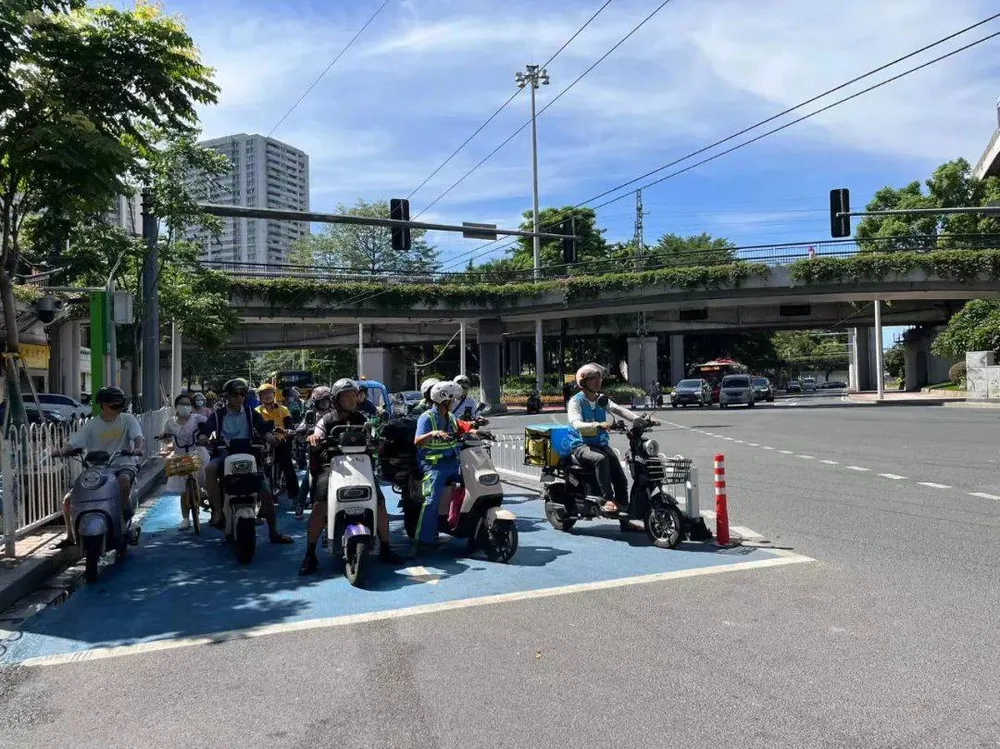
China’s draft revisions to the Road Traffic Safety Law—currently undergoing review after a 20-year gap—may soon adjust e-bike speed limits from 15 km/h to 20 km/h in designated lanes. The overhaul spans 9 chapters and 170 articles, addressing everything from autonomous vehicle liability to distracted driving, but the proposed change for e-bike riders stands out as the most immediate practical update.
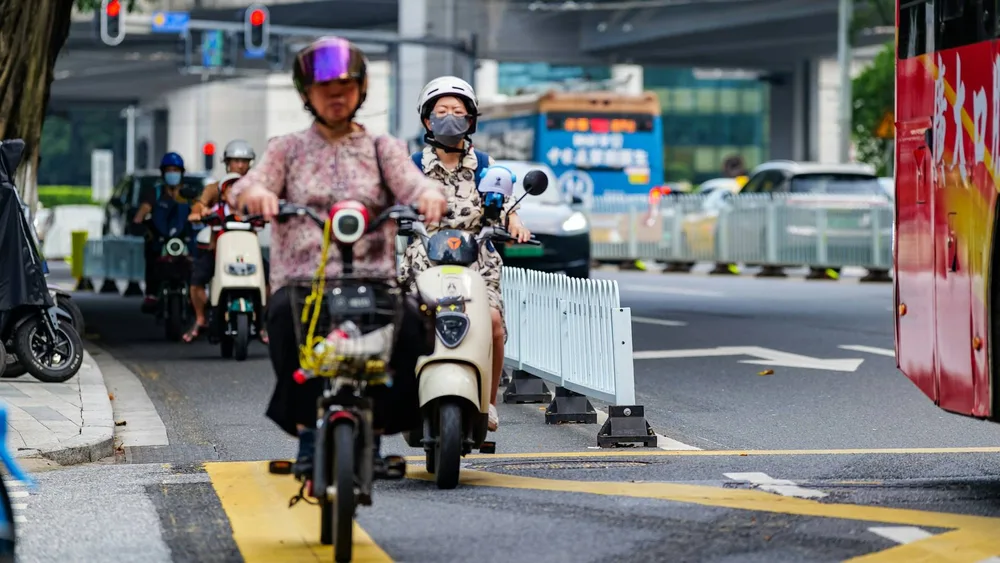
The draft clarifies a long-standing discrepancy between e-bike design speeds and on-road limits. While national standards cap e-bike design speeds at 25 km/h, the new 20 km/h road limit would align more closely with actual capabilities—though riders must still obey traffic signals, avoid counterflow, and refrain from handheld phone use or video-watching, per the draft’s strict enforcement language.
The law’s wording leaves no room for ambiguity: violations like ignoring signals or exceeding the limit remain punishable, and helmets are mandatory for both riders and passengers. This revision isn’t about loosening safety standards but closing the gap between what e-bikes can do and what the road allows—provided riders adhere to the new rules.
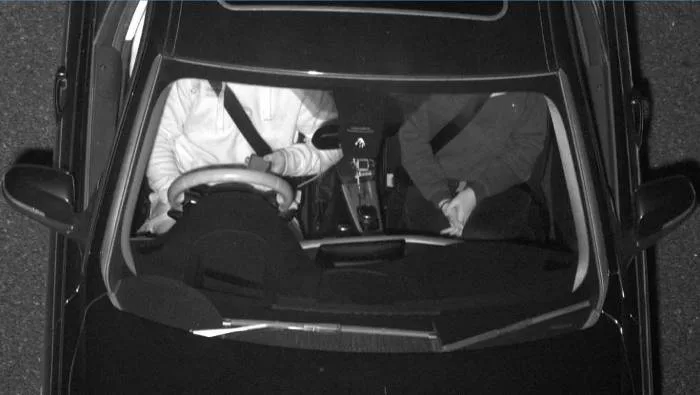
The draft also tightens penalties for motorists using smartphones while driving, framing smartphones as a “black hole of attention” in modern vehicles. If a driver’s handheld phone use leads to an accident or serious consequences—such as injury—they face fines between 200 and 500 RMB and a potential three-month license suspension. The severity hinges on outcomes, not just the act itself; a fleeting glance at a phone wouldn’t trigger suspension unless it directly causes harm.
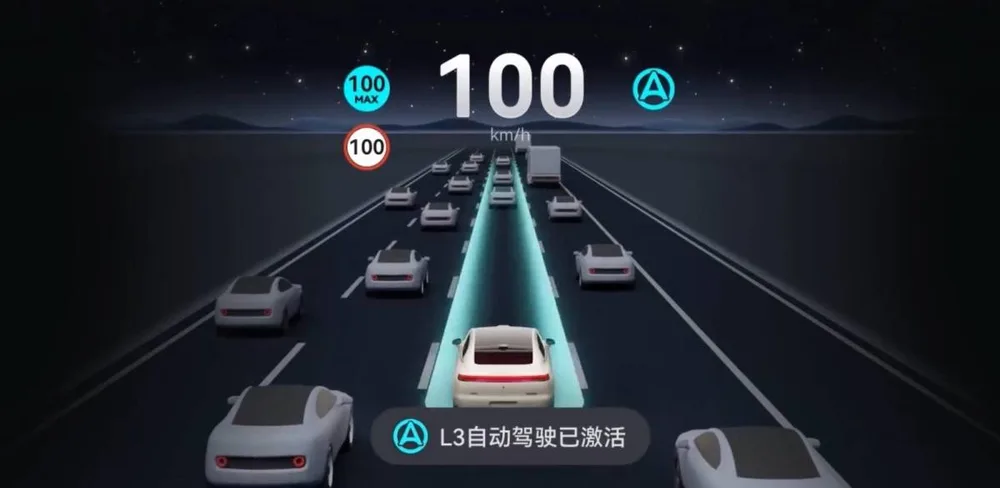
For autonomous vehicles, the draft introduces a landmark shift in responsibility. Under the new "Special Provisions for Autonomous Driving Vehicles", manufacturers or importers become liable for traffic violations when an e-bike’s autonomous mode is active. The distinction is critical: Assisted Driving (ADAS) systems keep the human driver accountable, but full autonomy transfers responsibility to the manufacturer for violations.
This doesn’t eliminate liability investigations—each case would still require technical data and legal frameworks to determine fault and compensation. Yet the draft signals a precedent: when AI takes the wheel, the company behind it bears the legal weight of the road’s rules.
Beyond e-bikes and AI, the law targets “walking groups” occupying lanes for non-traffic activities. The draft prohibits organized fitness or group walks from blocking roads without permission, assigning oversight to public security, transport, and urban construction departments. Road maintenance units must report and intervene when groups encroach on traffic lanes, reinforcing that roads exist for transit—not as extensions of sidewalks for organized activities.
The draft remains under review and hasn’t been officially enacted, but if passed, these changes would mark the first comprehensive update to the law since 2004, with implications for riders, drivers, and manufacturers alike. For now, the proposed 20 km/h limit for e-bikes stands as the most tangible shift—pending final approval.
All Replies (3)
Want a live back-and-forth? Join the global AI chat room — login to talk.
About time! I'm sick of getting stuck behind slow bikes on my way to work, especially since the draft law aims to raise the e-bike speed limit from 15km/h to 20km/h.
This is confusing. Does the law distinguish between mid‑drive and integrated battery motors? By the way, the draft proposes raising the maximum allowable speed from the current 15 km/h to 20 km/h.
Fingers crossed! The draft currently on the table raises the lane speed limit for all electric bicycles from 15 km/h to 20 km/h, but it doesn’t create a separate class for pedelecs—they’re still lumped under the same 25 km/h design-speed cap as standard e-bikes.