Balaji Ingole’s journey from a village in Udgir, India, with no computers to becoming an AI innovator
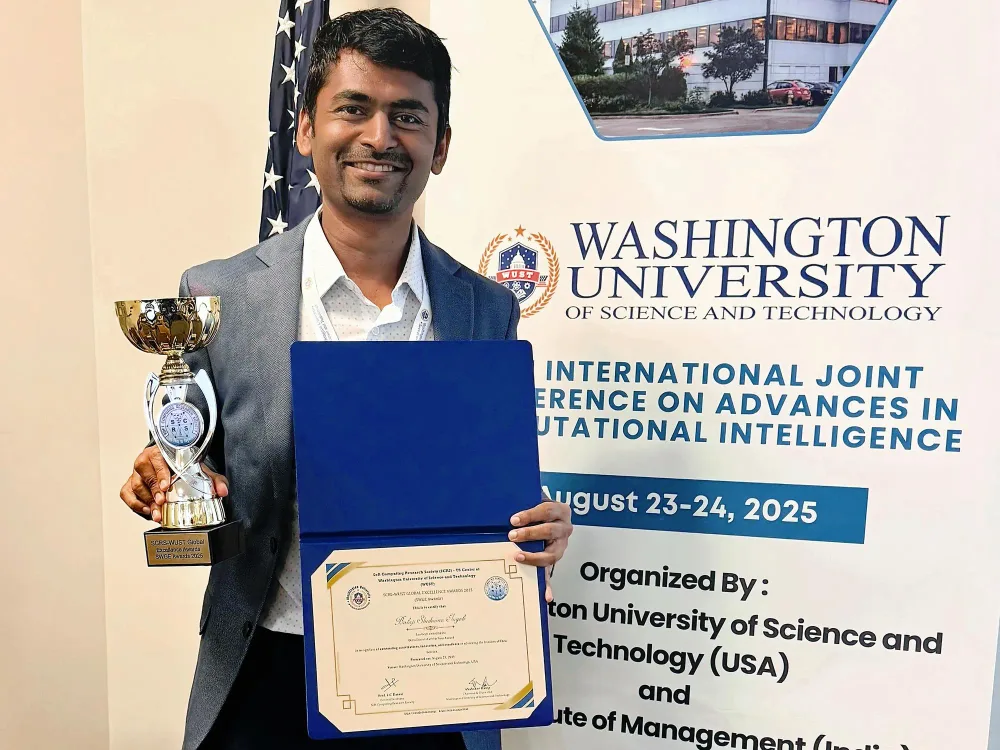


Balaji Ingole transformed a childhood with no computers in Udgir village into a career shaping AI-driven commerce and assistive technology.
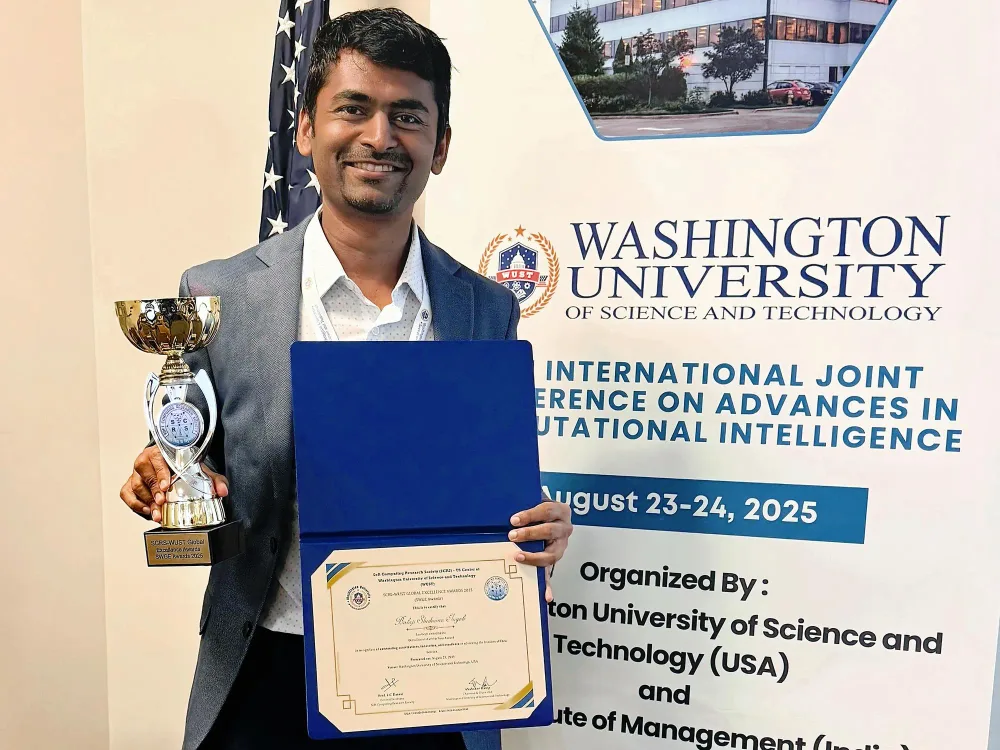
His first encounter with computing arrived in middle school, during a lab session that redirected his path toward code. The C programming language captured his attention, launching a habit of self-taught exploration across databases, hardware, and error logs. He built projects beyond school assignments, testing theories where formal instruction ended.
Now based in Milwaukee, Ingole manages AI projects at Amla Commerce, steering digital transformations for undefinedB e-commerce platforms. His team integrates intelligent automation to refine sales processes, while weekends go toward research on large language model agents and assistive tools. Current investigations target AI diagnostics for healthcare and devices supporting people with physical impairments.
A "learn by doing" philosophy guides every venture. Prototypes take priority over theory, a practice rooted in his time at COEP Technological University. This hands-on method rejects abstract models in favor of rapid testing and real-world feedback.
One defining episode from college revealed his commitment to mentorship. As a mechanical engineering student, he pursued interviews with Infosys founders N.R. Narayana Murthy and Sudha Murty for the university magazine. Weeks of fax messages led him and a classmate to travel nearly 940 kilometers overnight by bus. Before stepping onto the Infosys campus, they used public restrooms to freshen up and prepare themselves. Their resolve paid off when Murthy responded with a letter urging students to step boldly into the technological era.
That same determination drives Ingole today, shaping AI systems that improve e-commerce efficiency and advance diagnostic tools. Early curiosity paired with relentless energy has turned a village outsider into an innovator redefining what’s possible through code.
All Replies (3)
Want a live back-and-forth? Join the global AI chat room — login to talk.
This is wild—who knew the right IDE could spark such a transformation? I remember my first scripts were written on a clunky school lab computer with Notepad++, and the moment I saved my first working program felt like unlocking a door to something bigger. Which mobile IDE did you use to start your journey?
So inspiring! Like Balaji Ingole, he seems to have found his passion through hands-on experimentation—starting with a single computer lab experience that opened doors. Did he spend more time on foundational math theory or jump straight into coding, or maybe he followed a similar path of diving into practical projects like analyzing error logs and building databases to bridge the gap between theory and real-world application?
Struggled with bad WiFi for years—turns out diving into analyzing error logs (like Ingole did) can actually help pinpoint the real issues, such as signal interference or router misconfigurations. Which offline docs actually worked best for you?