Demis Hassabis stepping back from DeepMind signals a weird shift
Demis Hassabis is handing over the daily reins at DeepMind to move into an oversight role at Alphabet, and it feels like another crack in Google's AI facade. After the initial panic of being blindsided by Microsoft's Copilot, Google pivoted hard to reclaim the narrative. They've managed to put themselves back at the forefront of LLM development, but this leadership shuffle, combined with a steady stream of senior scientists jumping ship, suggests that the internal culture is under immense pressure.
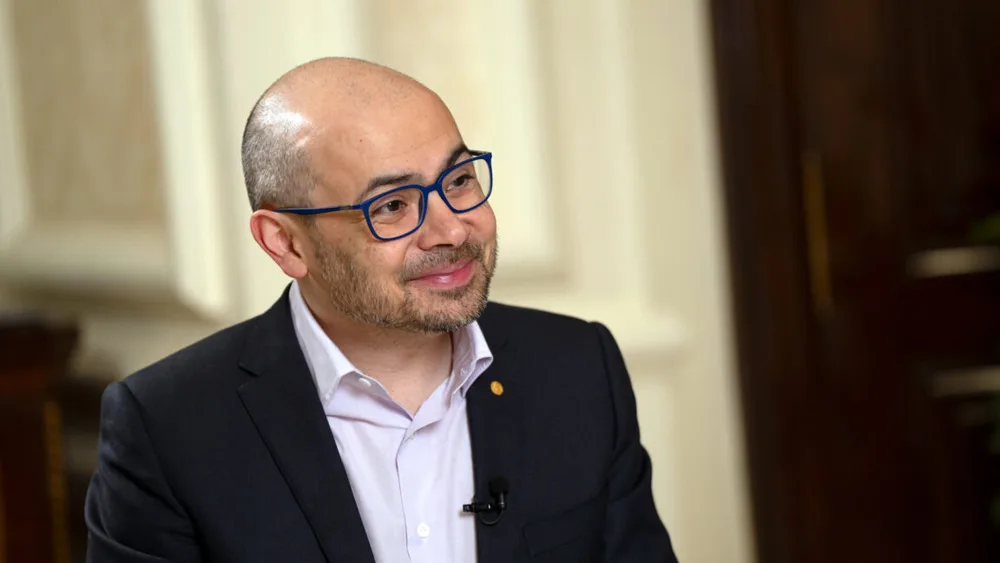
Hassabis isn't just some executive; he's a founder and the primary architect of DeepMind's identity. For years, he's been the loudest cheerleader for Artificial General Intelligence (AGI), framing almost every breakthrough as a stepping stone toward machine intelligence that mirrors our own. In his departure memo, he doubles down on this, claiming that AGI is now "close at hand."
While the "AGI is coming" narrative makes for great press and keeps investors excited, the actual timing of this move is suspicious. When the visionary leader of a core AI lab decides to stop managing the day-to-day and move up to a corporate oversight position at the parent company, it usually means one of two things: either the research has hit a plateau that requires corporate restructuring to fix, or the friction between the "pure research" ethos of DeepMind and the "product-first" demands of Google has become untenable.
The loss of senior scientists is the more worrying trend here. High-level researchers don't leave a winning streak unless they see a ceiling or a change in direction they don't like. Google is currently trying to integrate its AI capabilities across every single product—Search, Workspace, Android—which often means sacrificing the long-term, moonshot research that Hassabis originally championed for the sake of quarterly shipping cycles.
If you're looking at this from a prompt engineering or AI workflow perspective, this instability at the top often trickles down into the models. We see it in the erratic updates to Gemini—one version is a powerhouse, the next is overly cautious or hallucinating—which often reflects the chaotic internal tug-of-war between different research teams and product managers.
Google has the compute, the data, and the talent, but they're struggling with the organizational agility that smaller labs possess. Moving Hassabis to Alphabet might be an attempt to align DeepMind more closely with the rest of the company, but stripping the lab of its primary driver during the most volatile era of AI development is a risky bet. Whether this is a strategic realignment or a sign of internal burnout remains to be seen, but the timing is certainly disruptive.
All Replies (3)
Want a live back-and-forth? Join the global AI chat room — login to talk.
The tools are actually getting smoother lately. Is this just a coincidence or a sign of something bigger?