Suno watermarking AI music won't solve the copyright mess
Suno is finally moving toward labeling its audio outputs with watermarks, but the real question is whether this actually protects creators or just gives streaming platforms a tool to purge "AI slop" from their libraries. For a while, the goal of AI music generation was to be indistinguishable from a human recording. Now, as Spotify and Apple Music get flooded with synthetic tracks, the industry is pivoting toward transparency—not because they want to, but because they have to.
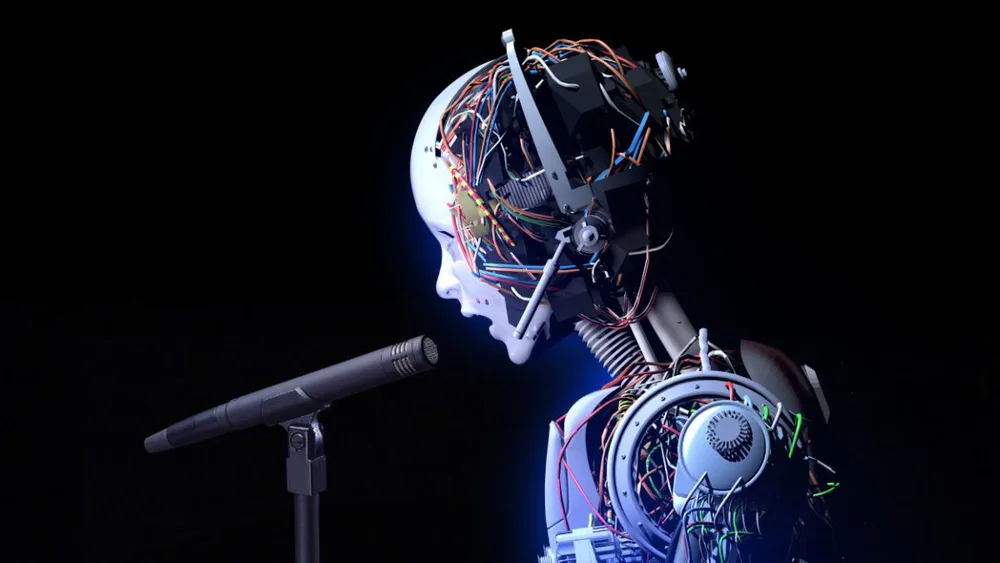
The technical move here is to bake identifiers directly into the audio. This allows platforms to automatically detect if a track came from a Suno model and then either tag it as AI-generated or block it from the platform entirely. While the CEO claims this is about meeting "industry standards," it feels more like a defensive maneuver to avoid further legal friction with rights holders who are tired of their styles being mimicked without a trace.
Whether Suno builds this in-house or licenses something like Google's SynthID is still unclear, but the scale of the problem is massive. Google has already processed an absurd amount of data—reportedly 60,000 years of audio and over 100 billion images—using their labeling tech. If Suno adopts a similar standard, it might make the AI workflow for music producers more transparent, but it doesn't solve the underlying issue of where the training data came from.
From a practical standpoint, watermarking is a double-edged sword. For those of us building a real-world AI workflow, having a clear label can help in auditing content. But for the "prosumer" trying to pass off an AI track as a professional demo, this is a hurdle. It also raises a technical point: how robust are these watermarks? If a user runs a Suno track through a high-pass filter, changes the pitch by 1%, or converts it to a lower-bitrate MP3, does the watermark survive? Most early AI watermarking was easily stripped by basic audio engineering.
If Suno wants to be taken seriously as a professional tool rather than a toy, they need to move beyond simple labeling and address the attribution gap. A watermark tells you that it is AI, but it doesn't tell you which human artists' work was synthesized to create that specific sound. Until we have a system that links AI outputs back to the source material, watermarks are just a superficial band-aid on a deep structural conflict between generative models and traditional copyright.
For anyone trying a hands-on guide to AI music production, the takeaway is that the "stealth" era of AI audio is ending. Expect your uploads to be flagged more often, and start thinking about how to blend AI tools with actual human instrumentation if you want to avoid the "AI-generated" tag on streaming services.
All Replies (3)
Want a live back-and-forth? Join the global AI chat room — login to talk.
Scary. Did the tracks sound identical or just similar to your work?
This is frustrating. One simple audio converter wipes watermarks instantly, so how does Suno even plan to enforce this?
Ridiculous. Which tool are you using to strip those watermarks?