Spotify is trying to act like a musician
The "AI-Voice" Problem in Branding
The issue isn't that Spotify is using AI—every major company is—but that they aren't applying enough prompt engineering to keep the brand voice human. You can tell when a piece of copy is AI-generated because it follows a predictable emotional arc: it starts with a vague platitude, moves to a sweeping generalization about "connection," and ends with a polished call to action.
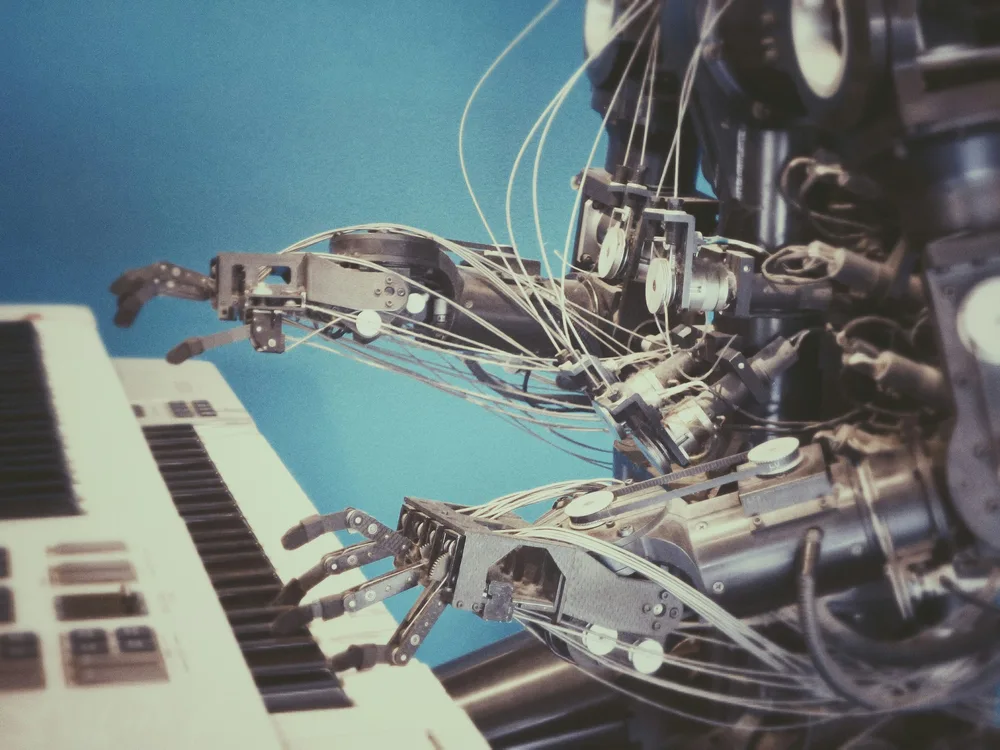
For a platform that thrives on curation and personal taste, this "one-size-fits-all" AI prose is a missed opportunity. If you're building an AI workflow for content, the goal shouldn't be to replace the writer, but to augment the specific quirks that make a brand feel authentic.
How to Fix Sterile AI Copy
If you're working on your own deployment of LLM agents for content creation and want to avoid the "Spotify effect," you have to move beyond basic prompts. Here is a practical tutorial on how to inject personality back into generated text:
1. Define Negative Constraints: Tell the AI exactly what not to do. For example: "Avoid words like 'tapestry,' 'journey,' 'unlock,' or 'seamless.' Do not use exclamation points in every paragraph."
2. Provide a Style Guide: Instead of saying "be casual," give the model 3-5 examples of actual human writing you admire. This gives the LLM a concrete pattern to mimic.
3. Inject Imperfection: Real humans use fragments. They use slang. They start sentences with "And" or "But." Explicitly tell your model to vary sentence length and structure to break the rhythmic monotony of AI prose.
4. Use a "Human-in-the-Loop" Review: Never let a prompt go straight to production. Use a human editor to strip away the "AI-isms" and add specific, concrete details that an LLM wouldn't know.
The Risk of Brand Erosion
When a company leans too hard into automated writing, they risk losing the "soul" of their product. Music is about grit, mistakes, and passion. When the marketing for that music feels like it was generated in a vacuum, the brand starts to feel like a utility rather than a cultural curator.
The real-world challenge for companies now isn't how to use AI to write faster, but how to use it without sounding like a machine. The gap between "efficient" and "authentic" is where the best prompt engineering happens. If you can bridge that gap, you stop sounding like a bot and start sounding like a person who actually likes music.
All Replies (4)
Want a live back-and-forth? Join the global AI chat room — login to talk.
These new promos feel so robotic and calculated. Which specific ad tipped you off?
The lack of human imperfection is glaring. Does any AI-generated track actually feel authentic to you?
Curious if they're using a custom model or some specific LLM for those voices?
Wild that they'd build a custom model just to avoid OpenAI fees. Who else thinks this is a play for total control?