Paying artists for AI training: enough to change minds?
The moment a startup markets "we pay artists" as its differentiator, the debate quietly shifts from whether the technology should exist to how much the apology costs. That's exactly the move Pippa is making — a text-to-video service selling short AI-generated clips while claiming to be more ethical than rivals because it licenses source material and compensates creators. The Verge ran a story on it, and it's worth sitting with the question underneath: is money actually the sticking point?
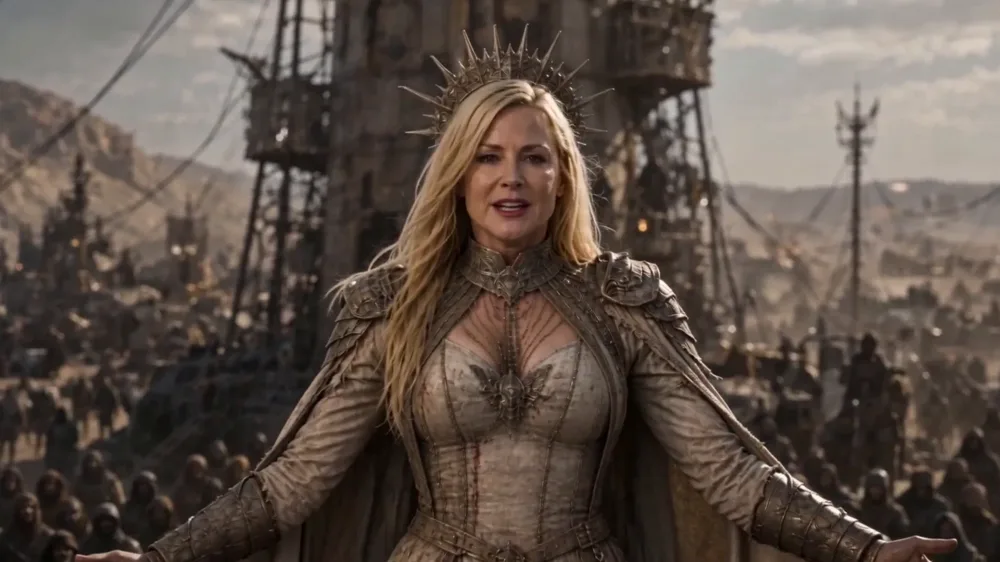
For years, illustrators have argued that generative AI companies training on their work without permission is essentially theft. The industry response has been dismissive at best, with some boosters calling it necessary collateral for progress. That tension led to lawsuits, but also to a wave of startups trying to position themselves as the "nice" option. Pippa is part of that wave. And on paper, it seems reasonable — pay people whose work shapes the model, get a cleaner conscience and a different customer base.
But I don't think payment alone flips the argument for most working artists. The objection was never purely about royalties. It's about consent — the right to say "no" when your life's work becomes training data for something that competes with you. If an artist gets paid once, they still have no ongoing control over how the model is used, what prompts generate derivations of their style, or whether the tool replaces them in the long run. A licensing fee treats a deeply systemic concern as a transactional inconvenience. That's not an ethical fix; it's a legal patch over a relationship problem.
There's also the question of what "ethical AI" actually means when the label is self-applied. Pippa may license some imagery and pay some creators, but the underlying model still learns from a vast dataset assembled by scraping or purchasing files. Paying a subset doesn't undo the structural harm to the wider community of artists who were never approached, never compensated, and never given a chance to decline. One startup's opt-in pipeline is commendable, but it doesn't solve the industry-wide default of "scrape first, ask forgiveness later."
That said, I'll give Pippa credit for recognizing that the old playbook is unsustainable. If more AI companies treated artists as collaborators rather than raw material, we might get somewhere. But the incentives are still misaligned. Paying artists a fixed sum for a single dataset pass doesn't address the asymmetry — the model becomes more powerful, the artist's career becomes more precarious, and the compensation stays static. That's not a partnership; it's a one-time purchase of goodwill.
What would convince artists? Real transparency about training data, meaningful ongoing control over style usage, and perhaps a revenue share tied to model profits. None of these are easy, which is probably why startups prefer the "we already paid them" line. It's cheaper and easier to market. But if the goal is actually to bring artists along instead of just buying their silence, the industry needs to think bigger than a licensing fee.
I don't have a neat answer for how to make generative AI fair. But I'm fairly sure "we paid someone" is the starting point, not the finish line. The artists still with a hard "no" aren't confused — they're just asking for a better offer.
Frustrated that higher subscription fees don't actually fix the generic output issues. Who's seeing better results?