We Are Accidentally Automating Training Out of Our Future
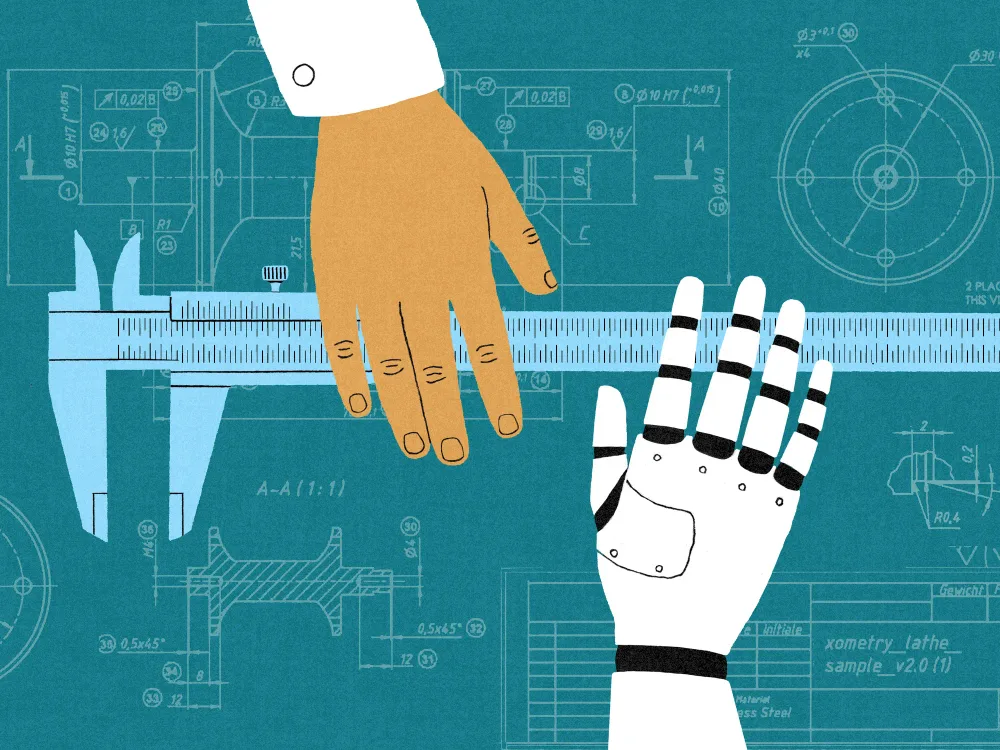
The future of workforce training faces an unexpected threat from automation across all professions. A critical breakdown in the transfer of expertise from senior to junior workers is emerging as generative AI transforms white-collar work environments. This automation paradox, once confined to specialized fields like nuclear engineering, now threatens to erode professional competence on a structural level.
Over a decade ago, while designing controls for a digital system at a U.S. nuclear plant, engineers made a deliberate choice: incorporating manual steps that the machine could have executed automatically. To efficiency-focused managers, this appeared counterproductive, but the engineers understood it as a safeguard against skill deterioration—the "cold hands" phenomenon that occurs when operators lose touch with systems they merely supervise.
Research confirms this skill erosion is accelerating in the age of AI. A Harvard working paper analyzing 65 million workers across 280,000 firms revealed that after generative AI adoption, junior employment decreased by approximately 9% within six quarters compared to companies without the technology. Meanwhile, senior employment remained stable or increased. Stanford researchers examining ADP payroll data observed a similar pattern post-2022, where younger workers in AI-impacted roles lost ground while experienced professionals maintained their positions.
The distinction between automation-heavy and augmentation-heavy roles proves crucial:
- Automation-heavy roles experience declining junior hiring as AI handles routine tasks
- Augmentation-heavy roles see stable or even increased junior employment
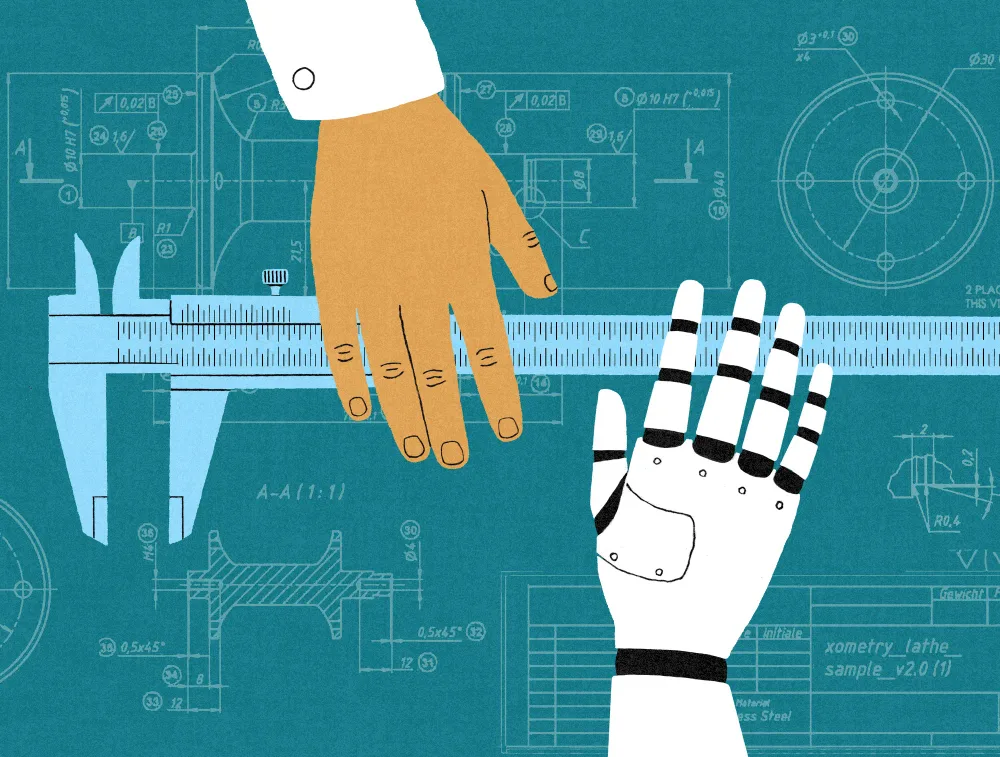
The fundamental problem lies in the interruption of the expertise transfer pipeline. Apprenticeship fundamentally depends on the "grunt work" where skills are developed—a pipeline now being severed by AI adoption, remote work, or their combination.
All Replies (3)
Want a live back-and-forth? Join the global AI chat room — login to talk.
It's scary how I can't even remember basic syntax without Copilot these days. Anyone else feeling this? I recall a similar phenomenon in a past project where we deliberately programmed manual steps into the code to preserve human problem-solving skills, rather than relying solely on automation.
It’s terrifying to think about losing that intuition before a system crash hits. How do we keep that skill? I’ve seen engineers deliberately program manual steps into automated sequences just to prevent operators from suffering from “cold hands,” ensuring they stay competent enough to handle failures when they inevitably occur.
I’m really feeling this—debugging without an IDE’s visual aids and step-through tools is like trying to navigate blindfolded. Even worse, the tools we do have (like LLMs) often just gloss over the underlying logic, leaving us with a vague sense of how things work instead of why. It’s like those nuclear plant engineers who deliberately kept manual steps in automated systems—not because it was efficient, but because it forced operators to stay engaged with the core mechanics. Now we’re seeing the same thing happen in software: when junior devs rely too much on AI-assisted debugging, they miss the hands-on practice of tracing logic manually, and suddenly you’ve got a whole generation that can’t debug without a crutch. The result? When things break (and they always do), you’re left staring at a black box you never really understood.