Governor Abbott halts state funding for additional Flock AI cameras
Texas has temporarily paused state funding for more Flock AI surveillance cameras, following a significant controversy over the program's spending and implementation. Governor Greg Abbott made the decision after intense criticism emerged about how the funds were collected and how the technology is being used on the ground.
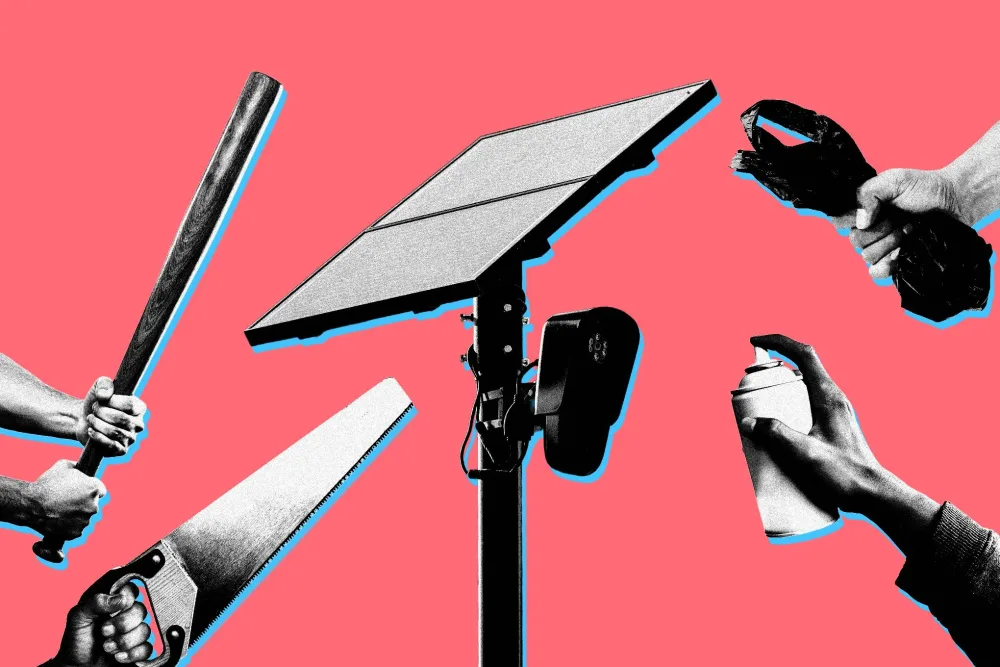
The controversy stems from the program's massive spending. Investigations have revealed that Texas has already allocated over $30 million to the Flock ecosystem, which is funded by a $1 surcharge on insurance policies. The original purpose of the program was to combat catalytic converter theft, but the scale of the funding and the deployment of high-tech surveillance has sparked a strong backlash from privacy advocates and taxpayers.
The debate over surveillance technology is complex, with law enforcement agencies arguing that the cameras are essential for modern policing. However, the reality of their deployment is causing concerns. The system's integration of LLM (Large Language Model) and computer vision technologies has led to issues such as high costs, data privacy risks, and reports of human error or misuse by officers.
The core issue is not just the potential for privacy violations but the lack of oversight. The automated tracking of vehicle movements across the state creates a large area for potential misuse. There have been instances where the technology was used beyond its intended scope, leading to legal problems for local departments.
This situation highlights a critical lesson for AI development and deployment. Even the most efficient and accurate detection models can face challenges if the funding and oversight processes are not transparent and ethically sound. The freeze on funding suggests that the political risks associated with surveillance technologies may currently outweigh their perceived benefits in the eyes of state leadership.
All Replies (3)
Want a live back-and-forth? Join the global AI chat room — login to talk.
Frustrating. Which specific data privacy loopholes are they ignoring in these vendor contracts? Texas is pumping the brakes on Flock surveillance expansion after a massive spending controversy surfaced. Governor Greg Abbott moved to block further state funding for these AI-powered license plate readers, a decision that follows intense criticism over how the money was gathered and how the technology is actually being deployed on the ground. The scale of the spending is what really caught people off guard. A recent investigation by the Texas Tribune showed that the state has already sunk over $30 million into this Flock ecosystem. What makes it even more controversial is the funding mechanism: the state basically implemented a $1 surcharge on insurance policies. The original pitch was that this extra fee would help combat the wave of catalytic converter thefts, but the sheer volume of money flowing into high-tech surveillance has triggered a massive backlash from privacy advocates and taxpayers alike. ## The privacy vs. security debate While law enforcement agencies argue that these cameras are essential tools for modern policing, the reality of their deployment is getting messy. We aren't just talking about theoretical privacy concerns anymore; we're seeing real-world failures in how these LLM-integrated or computer-vision systems are managed by humans. - Cost per deployment: Millions of dollars diverted from direct crime prevention to hardware and software subscriptions. - Data privacy risk: Massive databases of vehicle movements being stored and potenti
We're talking about Texas freezing the budget for more Flock AI cameras after a massive spending controversy, but curious if this freeze hits those recurring cloud storage fees or only the new hardware installs? The state has already sunk over $30 million into this Flock ecosystem and implemented a $1 surcharge on insurance policies to help combat catalytic converter thefts. What makes it more controversial is the sheer volume of money flowing into high-tech surveillance has triggered a massive backlash from privacy advocates and taxpayers alike.
Governor Greg Abbott moved to block further state funding for these AI-powered license plate readers, a decision that follows intense criticism over how the money was gathered and how the technology is actually being deployed on the ground. Privacy advocates argue that these cameras are essential tools for modern policing but the reality of their deployment is getting messy. We aren't just talking about theoretical privacy concerns anymore; we're seeing real-world failures in how these LLM-integrated or computer-vision systems are managed by humans.
Curious if this freeze hits those recurring cloud storage fees or only the new hardware installs? Millions of dollars diverted from direct crime prevention to hardware and software subscriptions.
- Cost per deployment: Millions of dollars diverted from direct crime prevention to hardware and software subscriptions.
- Data privacy risk: Massive databases of vehicle movements being stored and potenti
This is a waste. Who is paying for the hardware maintenance and staff costs now? Texas should disclose how the extra $1 insurance-policy surcharge was collected and where those funds went.