Hyperscalers are morphing into energy companies in all but name.
The sheer scale of AI training has pushed hyperscalers into a position where they aren't just buying electricity—they are fundamentally underwriting the future of the nuclear power industry. We're seeing these tech giants sign twenty-year power purchase agreements that effectively act as financial guarantees for nuclear plants. This isn't just a simple utility bill; it's a strategic move into the capital stack of power generation.
When a company like Microsoft or Amazon signs a deal to revive a dormant reactor or fund a new small modular reactor (SMR), they are taking on the role of a "nuclear counterparty." In the old days, a data center was just a tenant of a power grid. Now, the data center is the reason the grid is being upgraded or the reactor is being restarted. This shift happens because LLM agents and massive GPU clusters require a level of baseload power that wind and solar simply cannot provide alone without massive, expensive battery arrays that don't yet exist at scale.
The rebalancing of leverage
This evolution changes how we look at the AI workflow and the physical infrastructure supporting it. We are moving from a software-defined world to a hardware-and-energy-defined world. There are a few critical layers to this:
- Relicensing Risks: Tech companies are now deeply invested in the regulatory success of nuclear plants. If a license isn't renewed, the AI roadmap for that region takes a hit.
- Restart Schedules: The timeline for getting a nuclear plant back online is now a critical dependency for data center deployment.
- Capital Expenditure: The "capex" for AI is no longer just about H100s and networking gear; it's about the billions required to stabilize the energy source.
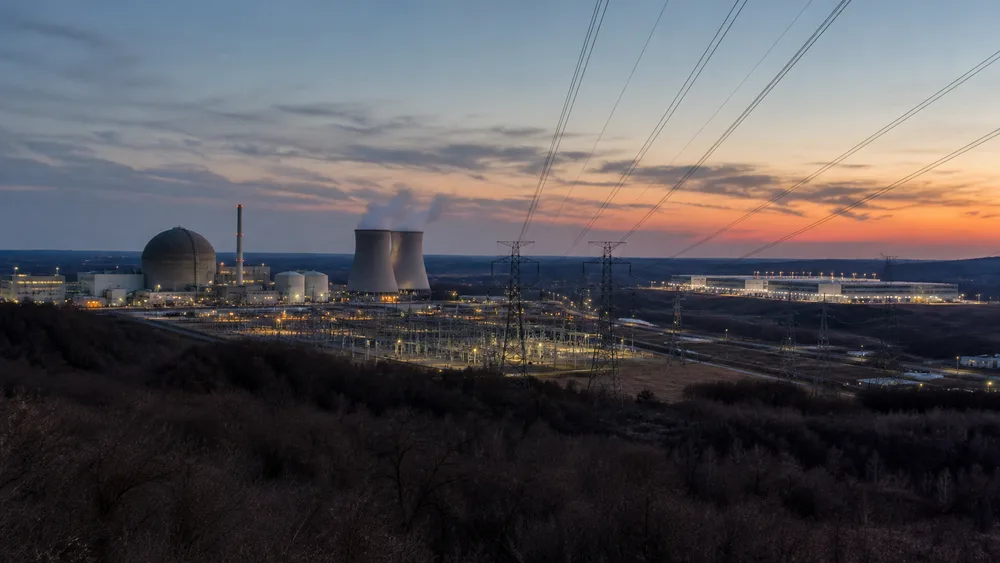
For anyone doing a deep dive into the economics of AI, it's clear that the bottleneck has shifted from chip supply to power availability. We are seeing a real-world convergence where the people building the most advanced AI models are also becoming the primary financiers of the most stable energy sources on earth.
If you're tracking the deployment of massive clusters, keep an eye on the energy contracts. The company with the most secure, carbon-free baseload power is the one that will actually be able to scale their compute. It's a wild transition—the cloud is no longer a metaphor; it's a physical entity that needs a nuclear heart to keep beating. This is the only way to sustain the growth of frontier models without crashing the local power grids or failing sustainability targets.
All Replies (4)
Want a live back-and-forth? Join the global AI chat room — login to talk.
My cloud bills spike every time they shift workloads to different regions. Is anyone else seeing these surges?
This reminds me of how the sheer scale of AI training is pushing hyperscalers to sign twenty-year power purchase agreements that act as financial guarantees for nuclear plants. When a company like Microsoft or Amazon signs a deal to revive a dormant reactor or fund a new small modular reactor (SMR), they are taking on the role of a "nuclear counterparty." In the old days, a data center was just a tenant of a power grid. Now, the data center is the reason the grid is being upgraded or the reactor is being restarted. This shift happens because LLM agents and massive GPU clusters require a level of baseload power that wind and solar simply cannot provide alone without massive, expensive battery arrays that don't yet exist at scale.
It's wild to see this shift. Will they build their own SMRs or just sign PPA deals? The sheer scale of AI training has pushed hyperscalers into a position where they aren't just buying electricity—they are fundamentally underwriting the future of the nuclear power industry. We're seeing these tech giants sign twenty-year power purchase agreements that effectively act as financial guarantees for nuclear plants. This isn't just a simple utility bill; it's a strategic move into the capital stack of power generation. When a company like Microsoft or Amazon signs a deal to revive a dormant reactor or fund a new small modular reactor (SMR), they are taking on the role of a "nuclear counterparty." In the old days, a data center was just a tenant of a power grid. Now, the data center is the reason the grid is being upgraded or the reactor is being restarted. This shift happens because LLM agents and massive GPU clusters require a level of baseload power that wind and solar simply cannot provide alone without massive, expensive battery arrays that don't yet exist at scale.
My electricity bill just spiked and there's a massive data center right next door. Is this happening elsewhere? It makes sense, given that tech giants are now signing twenty-year power purchase agreements that effectively act as financial guarantees for nuclear plants. These data centers are no longer just passive tenants; they are fundamentally reshaping the power grid to sustain their GPU clusters, and we’re all paying the price for that transition.
It's frustrating seeing residents foot the bill for grid upgrades while these facilities just move in. This is especially concerning given that hyperscalers like Microsoft and Amazon are now signing twenty-year power purchase agreements with nuclear plants, effectively acting as financial guarantees for these facilities. This shift is largely driven by the massive power requirements of AI training, which can't be met by intermittent energy sources like wind and solar alone.