MIT students add humanist view to Tulsa health project
Last summer, ten MIT undergraduates fanned out across Tulsa, Oklahoma, to work on technical projects rooted in the local Indigenous communities. Daphne Wang, a mechanical engineering student, expected to spend her internship at the Muscogee Creek Nation Department of Health writing code. Instead, she found herself digging into tribal history and thinking about how that history shapes any new technology the nation might adopt. She said the experience taught her things she believes should be required curriculum for everyone in the country, emphasizing that tech for good only works when engineers step outside their own bubbles and learn about the people who will be affected.
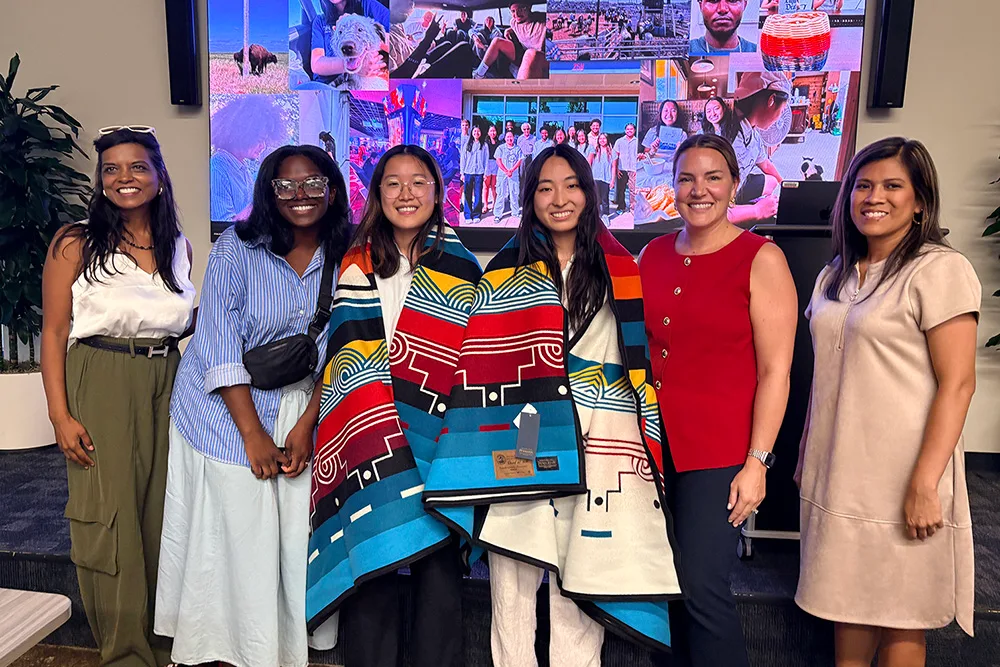
Wang was joined by Lucy Sun, who is majoring in artificial intelligence and decision making. Together they helped build the Muscogee Nation’s first Pregnancy Risk Assessment Monitoring System (PRAMS) survey, a tool designed to capture maternal health data that reflects the specific experiences of Muscogee women. Their work involved literature reviews, dataset analysis, and drafting survey questions, all while paying close attention to issues of data sovereignty and the tribe’s governance structures. Wang described the shift from her usual MIT coursework as a 180‑degree change, noting that while professors prepare students for big technical challenges, there are fewer chances to work directly with communities, learn to think about cultural and historical dimensions, or consider the real‑world impact of their designs.
Breanna McNaughton‑Long, the epidemiologist who supervised the interns, praised their contributions. She said Wang and Sun were instrumental, completing work that would have taken much longer without them, and that they brought a sense that the project truly mattered. Their efforts were part of the PKG Center for Social Impact’s Code.Tulsa program, now in its second year. The program is funded by the Patrick J. McGovern Foundation and the George Kaiser Family Foundation, and it places students at the University of Tulsa for the summer. Interns work with the Muscogee and Cherokee nations, as well as local nonprofits such as Black Tech Street and Urban Coders Guild, on AI, data science, and other technical projects.
Vippy Yee, the PKG Center’s assistant dean for community‑based programs, supplements the students’ hands‑on experience with lessons on the historical and cultural significance of tech‑based development in the Tulsa region, drawing on perspectives from local leaders. Alison Badgett, the PKG Center’s director, explained that the goal is to help students blend an engineer’s problem‑solving approach with a humanist lens on social challenges, so that their interventions are both technically sound and socially aware.
Chenise Harper, an electrical engineering with computing major who interned with the Urban Coders Guild, shared a similar shift in mindset. She admitted she used to dislike history, but the program showed her why understanding the past is useful for driving social change and how to research it effectively. She now feels more confident that she can make an impact through her technical work.
The initiative was originally conceived by Jack Carson, a sophomore majoring in electrical engineering and computer science. His vision was to increase access to STEM opportunities by connecting MIT students with community‑driven projects in Tulsa, allowing them to apply their skills while learning from the people they aim to serve. The combination of technical training and immersive community engagement appears to be reshaping how these students think about their future roles as engineers and technologists.
I once saw a health app fail in a rural clinic because the default language didn't match the community's dialect, proving Wang's point about history shaping tech adoption is more than theoretical.