The Qiyuan Q1 Explorer is basically a high-tech designer toy
I've hit up ChinaJoy for a few years now, and the most fascinating stuff usually isn't on the official pedestals. This year, the real scene was the "mecha squad" roaming the halls—Qiyuan Q1 Explorer robots dressed up as interstellar warriors and astronauts. One dressed as a Murloc from World of Warcraft was practically a celebrity, hanging out with human cosplayers and hitting up the Blizzard booth.

The weird part? Nobody cared about the gait stability or which LLM was powering it. People were arguing over which shells were limited edition and whether they could mod the chassis themselves. At a tech conference like WAIC, people treat robots like exhibits; at ChinaJoy, they treat them like "art toys"—tech-infused collectibles that you can tear down and rebuild.
From "Skinning" to Full Modular Customization
Calling this "changing a skin" is an understatement. Most robot cosplays are just clothes draped over metal. The Qiyuan Q1 is the first personal robot designed for DIY roles. Its structural components are open-source, meaning the entire body supports 3D printing and modular replacement. It feels less like a costume and more like the cybernetic implants from Cyberpunk 2077.
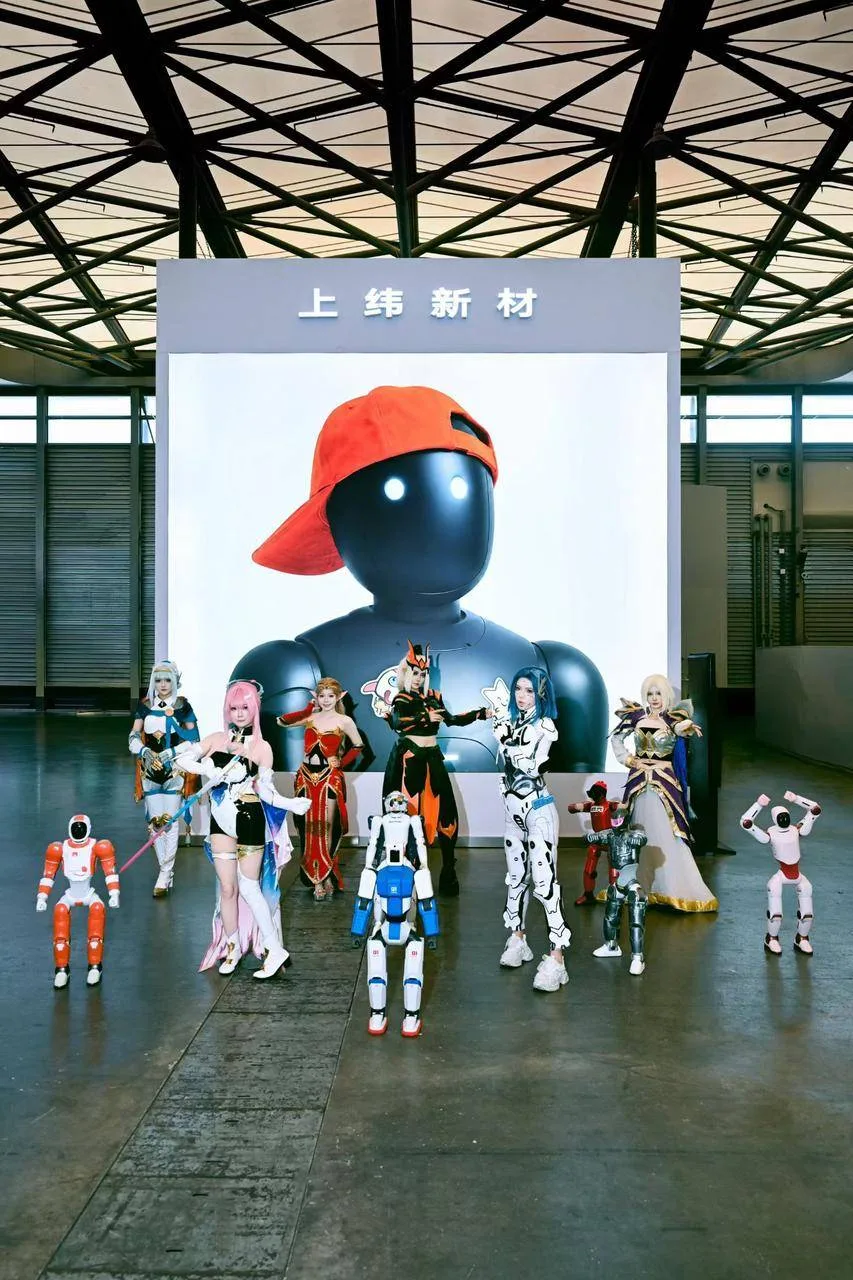
While most robots at trade shows are programmed to do a pre-set dance for a crowd, the conversation here shifted toward: "Can I print this shell? Can it mimic my voice?" The staff mentioned a zero-code platform that makes everything visual. You can handle modeling and action choreography without writing a single line of code. You're essentially "face-sculpting" a physical entity in real life.
The "Pop Mart" Logic of Embodied AI
This is effectively the Pop Mart business model applied to robotics. The appeal of designer toys isn't the plastic; it's the IP, the scarcity, and the personal projection. When you buy a blind box, you're often looking for something that says "this is me."
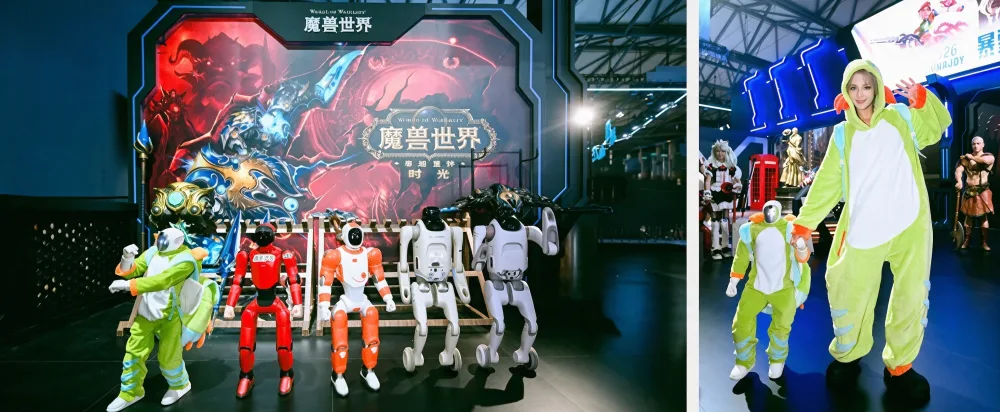
Traditional toys are silent and static. But when a robot has a detachable shell and a programmable personality, the "toy" becomes a vessel for continuous shaping. We're moving from collecting to "cultivating." The Qiyuan Q1 allows you to define the bot's temperament—it can be shy, chatty, or cold. Two identical units leaving the factory could end up as a mecha soldier for one user and a joke-telling astronaut for another.
The Body as the New Interface
For a long time, I couldn't justify a full-sized humanoid in my house—they're too expensive and, frankly, creepy. The Qiyuan Q1 hits a sweet spot: 88cm tall, 15kg, and foldable enough to fit in a backpack. It uses micro QDD quasi-direct drive joints, so it keeps the force control of a full-scale bot without the intimidation factor.
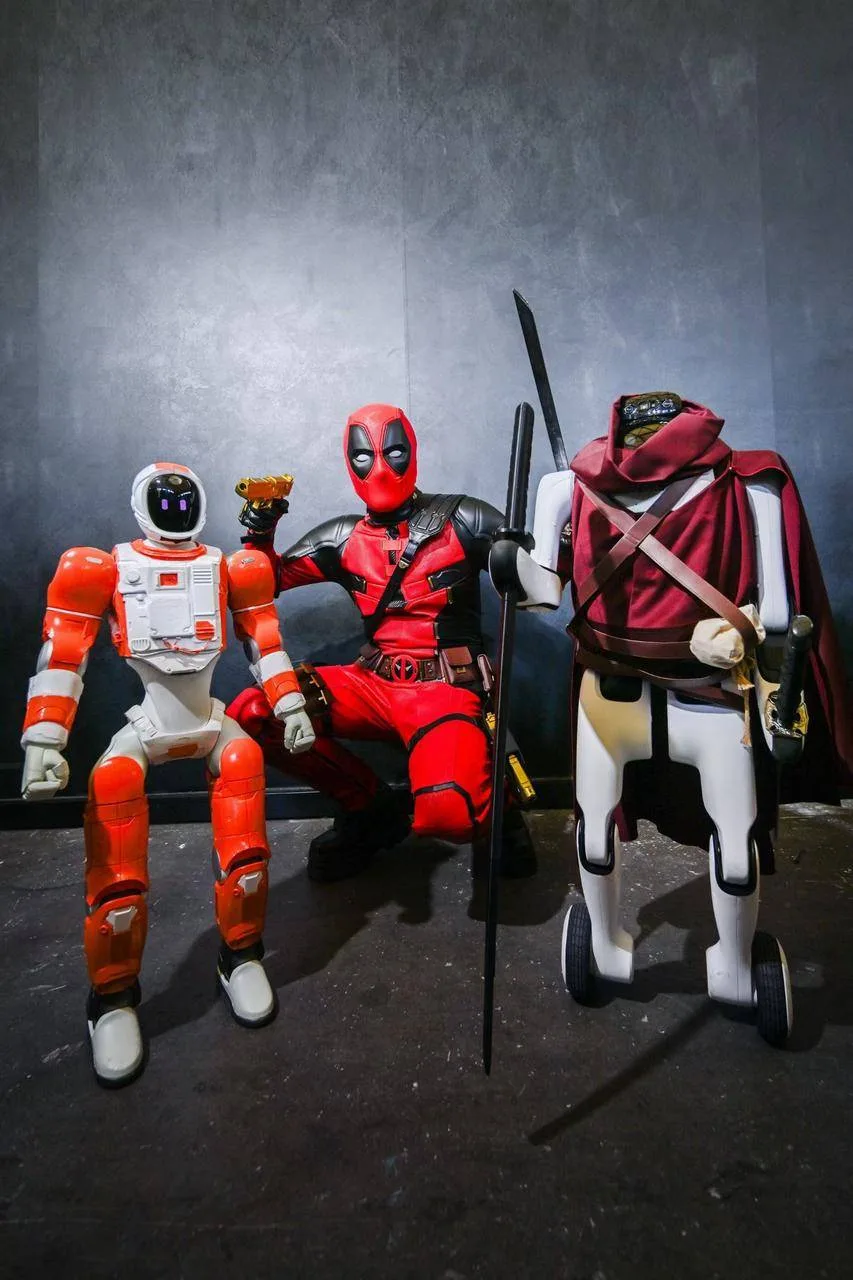
This is where the "IKEA Effect" kicks in. When you actually build or customize something, your psychological ownership of it skyrockets. A 2024 HCI experiment showed that users feel a much stronger bond with robots they helped customize. It's not just about trust; it's about the feeling of "this is mine."
In the era of embodied AI, the robot's physical body is becoming the new interaction interface. Just as we personalize our phones with apps and wallpapers, the physical form of a robot will be how we express our identity. This "tech-toy" approach is probably the most realistic path for humanoid robots to enter the consumer market—leading with "cool" and "fun" while the actual utility evolves through daily interaction.
All Replies (3)
Want a live back-and-forth? Join the global AI chat room — login to talk.
My unit is great, but the sensitivity settings are a mess. Did anyone find the sweet spot for movement?