China supplies nearly nine‑tenths of global bipedal robots, reshaping AI hardware
A walk through a sprawling robotics research campus just outside Shanghai instantly reveals the magnitude of embodied AI. By embedding large language models and sophisticated control loops into machines that physically engage with their surroundings, the focus moves from abstract software in data centers to concrete, interactive devices. In the previous year, out of a worldwide total of 13,000 two‑armed, two‑legged robots delivered, the overwhelming share originated from China.
The recent robotics exhibition showcased an array of hardware, underscoring a diversification beyond the “humanoid hype.”
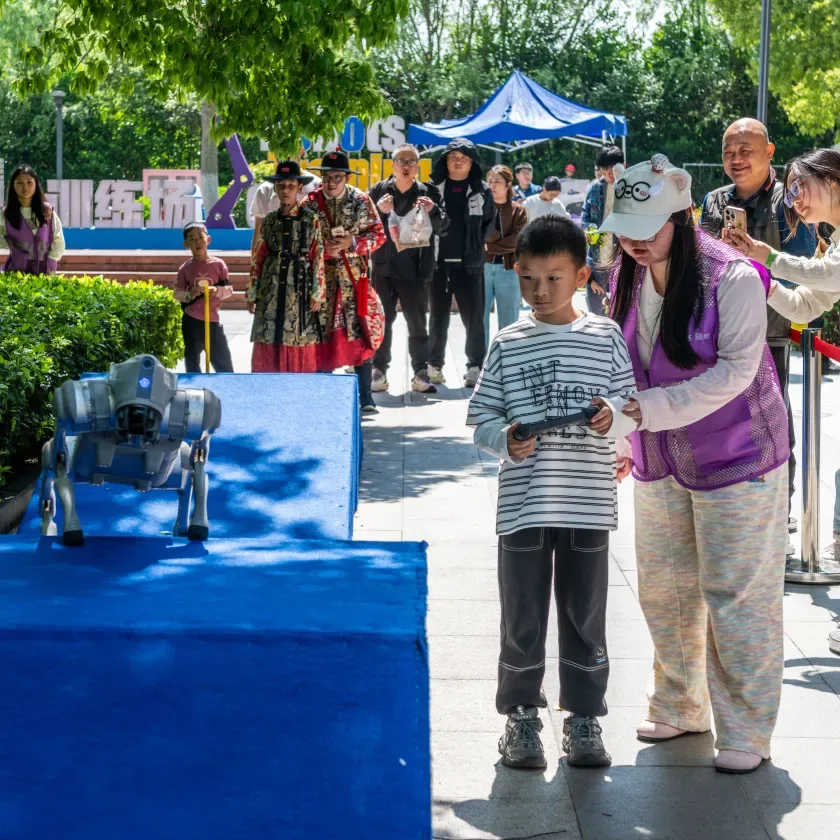
- Consumer/Toy Segment: Compact quadrupedal “robotic dogs” capable of handstands and simple tricks, targeting the vast consumer‑electronics market.
- Industrial/Logistics: Purpose‑built units designed for heavy‑load tasks or for navigating risky settings such as sewage pipe inspection.
- Service/Domestic: Humanoid forms that can execute delicate actions like brewing coffee or folding laundry.
- Entertainment/Performance: Agile humanoids performing martial‑arts moves or acrobatic flips to demonstrate balance and high‑torque actuator performance.
Balancing the demands of stability against practical utility has long been a central obstacle for humanoid robots. Skepticism remains about whether the human shape offers the most efficient solution for many applications. The mass of the hardware, the substantial power required for bipedal equilibrium, and safety concerns regarding upright machines operating among people have traditionally limited real‑world adoption.
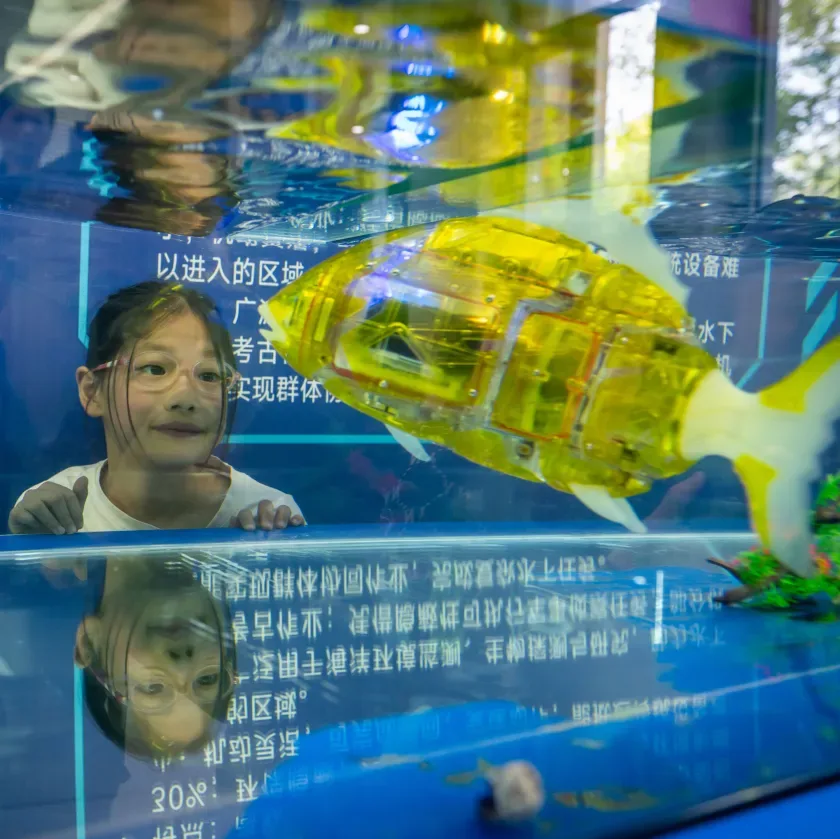
The drive toward “embodied AI” aims to overcome these hurdles by scaling manufacturing and improving control algorithms. Rather than relying on pre‑programmed motion sequences, new designs enable perception‑driven responses in real time.
The shift from specialized tools to general‑purpose humanoids
Exhibit displays highlighted tension between narrowly focused robots and the ambition for versatile machines. One camp features highly effective, task‑specific robots such as a robotic arm fine‑tuned for a particular assembly line. The opposite camp includes DexForce‑type humanoid prototypes that aspire to “free people from physical work and mundane chores” by emulating human adaptability.
Current efforts address three primary constraints:
- Battery Life: Stretching operation from brief bursts of high‑intensity motion to several hours of continuous use.
- Cost: Shifting from million‑dollar research prototypes toward hardware that consumers or enterprises can purchase.
- Safety: Boosting sensor fusion so machines can share spaces with humans in crowded malls or homes without causing injury.
Whether bipedal units are tackling half‑marathons in Beijing or showcasing “drunken boxing” in Shanghai, the overarching plan prioritizes moving technology out of isolated labs and into public view, changing the question from “can it work?” to “how quickly can deployment scale.”
https://example.com
All Replies (3)
Want a live back-and-forth? Join the global AI chat room — login to talk.
Seeing that Shenzhen demo was terrifying. How fast is the fluid motion actually improving, especially as humanoid models move from basic balance drills to complex fine-motor tasks like brewing coffee or folding laundry?
Curious about those actuators. How are they stopping massive battery drain from the torque? Walking through a massive robotics R&D hub on the outskirts of Shanghai, the scale of what is happening with embodied AI becomes immediately apparent. We aren't just talking about software running in a data center anymore; we are talking about the integration of LLMs and advanced control systems into physical hardware that can actually interact with the world. Last year, out of the 13,000 two‑armed, two‑legged robots delivered globally, the vast majority originated right here.  The sheer variety of hardware on display at this recent robotics carnival highlights how much the industry is diversifying its approach to automation. While the "hype" focuses on humanoids, the actual deployment landscape is much broader. - Consumer/Toy Segment: Small quadrupedal “robotic dogs” capable of handstands and basic stunts, targeting the massive consumer electronics market. - Industrial/Logistics: Specialized bots designed for heavy lifting or navigating high‑risk environments like sewage pipe inspection. - Service/Domestic: Humanoid models capable of complex fine‑motor tasks like brewing coffee or folding laundry. - Entertainment/Performance: High‑agility humanoids performing martial arts or acrobatic flips to demonstrate balance and high‑torque actuator capabilities. The technical challenge of humanoid robotics has always been the “balance vs. utility” trade‑off. Most roboticists remain skeptical about whether the human form is actually the most efficient shape for most tasks, but the advancements in actuator technology are addressing this by optimizing energy efficiency.
One concrete step you could take to improve real-time movement in edge computing is deploying low-latency, high-precision actuators like those seen in industrial and domestic service robots—where precise torque control directly translates to smoother, more responsive motion. The sheer variety of hardware in Shanghai’s robotics hubs shows how specialized solutions often outperform generic approaches for specific tasks.