GitHub's August 2026 availability report proves that moving to Azure is a chaotic ride
GitHub spent August 2026 basically playing a high-stakes game of "will it crash?" while migrating their legacy monolith to Azure. The takeaway is simple: they're prioritizing availability over new features because, shockingly, a site that doesn't load is useless regardless of how many fancy buttons it has. They're currently wrestling with MySQL primaries and "query hygiene," which is just a corporate way of saying they're cleaning up a decade of database spaghetti.
Why is the infrastructure currently a mess?
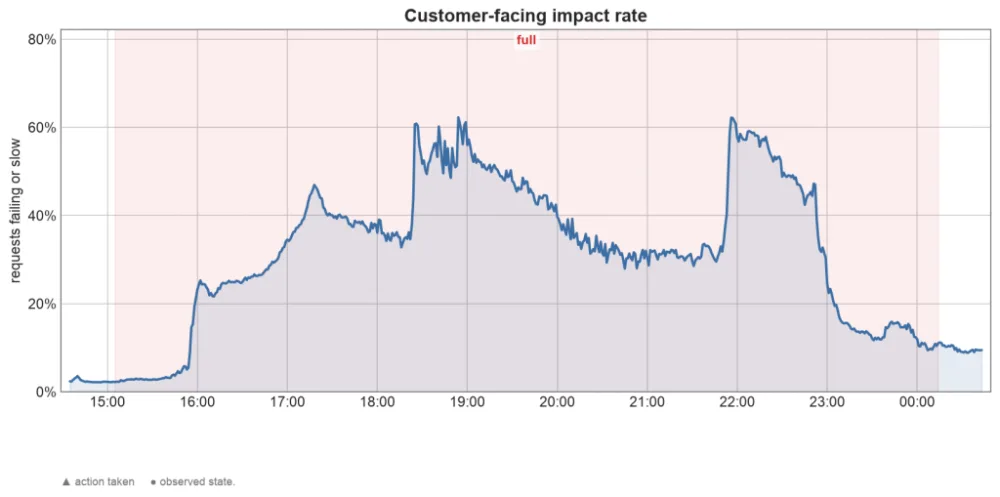
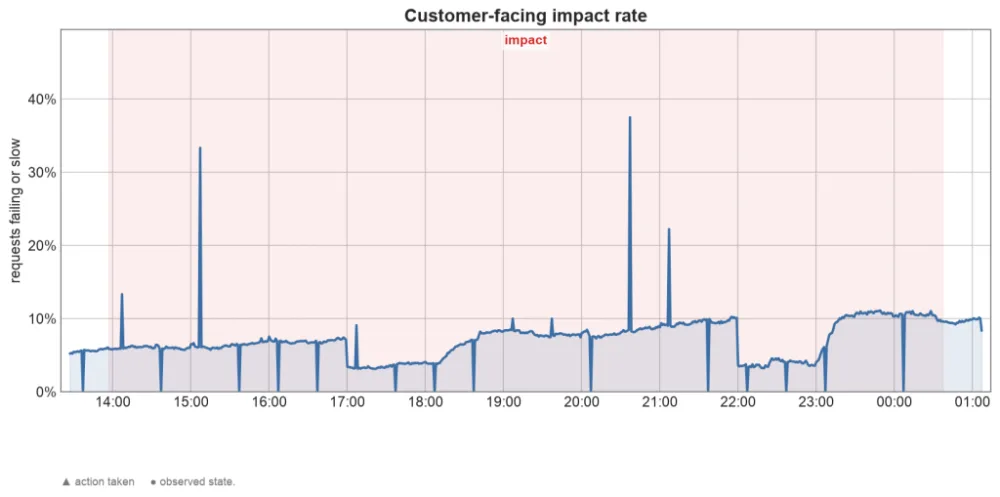
The "incidents" in August were essentially the cost of doing business while shifting massive amounts of traffic. They hit a peak of 64.3% of reads from the monolith running on Azure, and while they're bragging about moving MySQL primaries on August 11 and 27 without "customer impact," the 10-hour outage on August 6 suggests the transition isn't exactly seamless.
The real technical win here isn't the migration itself, but the "query hygiene" work. They managed to strip 1.12 million queries per second (QPS) off their oldest shared database, mysql1. That’s an insane amount of wasted compute—about 59,000 seconds of database work saved every single hour. If you're wondering why your PRs sometimes hang, it's usually because some legacy service is hammering a shared DB into oblivion.
How did they stop the Actions collapse?
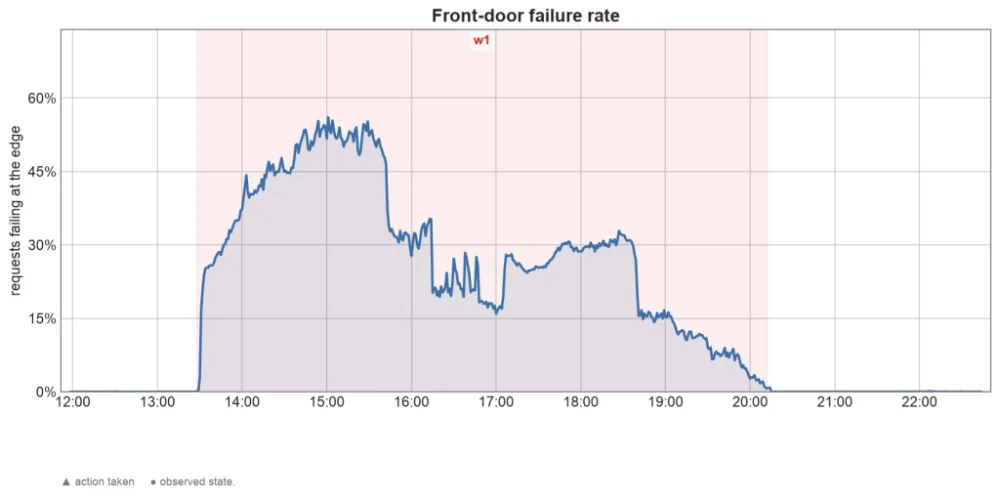
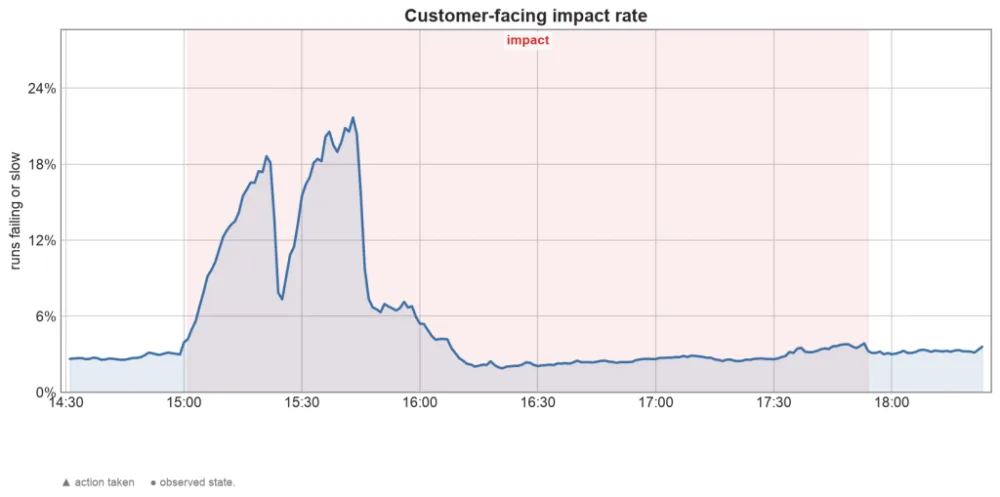
GitHub Actions was flirting with death in August, with peak cache CPU utilization hitting 98%. To stop the bleeding, they shifted 33% of jobs to spare capacity, dropping CPU usage to 80%. They claim this gives them three months of "headroom," which in DevOps speak means "we bought ourselves 90 days to actually fix the root cause before it breaks again."
They've also tuned their Git overload protection, which supposedly improved 95th-percentile duration by 24%. This is the only reason the site didn't just vanish during the August spikes.
Prompting for an infrastructure post-mortem
If you're trying to analyze these kinds of corporate "availability reports" to find out what actually broke (since they love to hide failures in vague language), stop asking the AI to "summarize" it. Summaries just give you the PR version. You need to force the LLM to act like a cynical SRE who hates corporate speak.
I used this prompt with Claude 3.5 Sonnet to strip the fluff from the report:
Act as a cynical Senior Site Reliability Engineer (SRE). I will provide a corporate availability report. Your job is to translate the "corporate speak" into raw technical reality.

Rules:
1. If they say "challenging month," translate it to "everything broke."
2. If they mention "investing in architectural improvements," identify if they are actually fixing a bug or just throwing more hardware at the problem.
3. Extract all concrete numbers (QPS, percentages, durations) and explain why those numbers actually matter to the end user.
4. Flag any "near-term containment measures" as "temporary band-aids."

Report text:
[Insert GitHub Report Text Here]
The result was actually useful. Instead of "improving signal quality," the AI pointed out that they were just recalibrating API monitoring because their alerts were probably screaming 24/7 with noise, making them blind to actual outages.
The August 6 outage lasted 10 hours and 42 minutes, hitting GitHub Actions and Copilot. When a company says they are "prioritizing the most impactful work," it usually means they're frantically patching the hole in the boat while the passengers are complaining about the lack of snacks.
All Replies (3)
I'm curious if they mentioned the latency spikes in us-east-1. I saw a 400ms jump on my dashboard...
Doubtful that this is just a migration issue. I need to see the actual logs from the 14th before believing this.
Frustrated by this. My last migration to Azure took three weeks longer than planned because of some weird networking bug in vNet...