SoftBank Data Center Deal: A Deep Dive into the Ohio Project
SoftBank is scaling its infrastructure footprint in the US with a massive data center project in Portsmouth, Ohio, leveraging a federal land lease to house its hardware. While the technical scale of the project is impressive, the timing of the deal has sparked a lot of conversation in political and tech circles because it followed a $50 million contribution to the Trump Presidential Library in January.
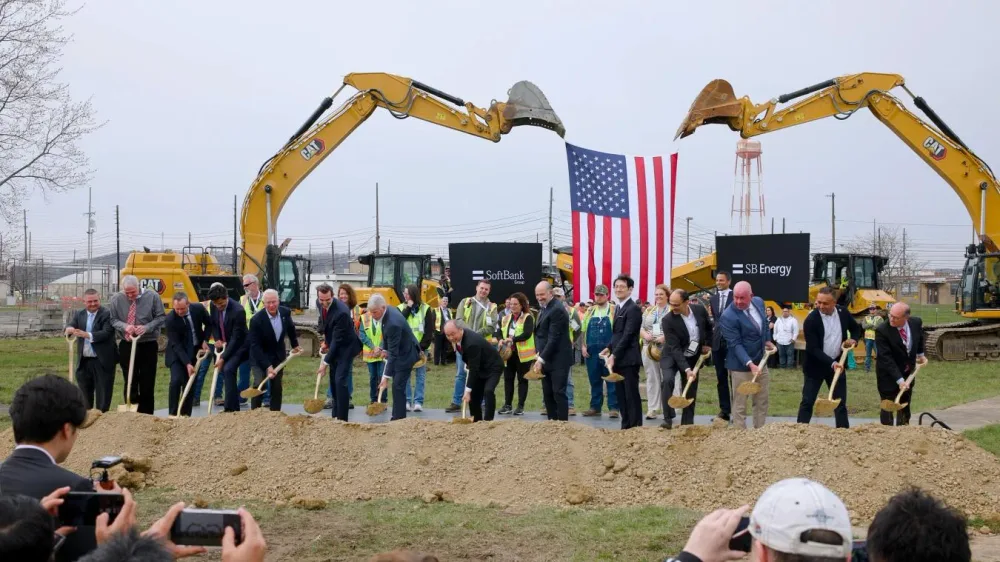
From a pure infrastructure perspective, this is a strategic move. Data centers require immense amounts of power and specific land zoning, and securing federal leases can often streamline the deployment process for LLM agents and high-compute AI workloads. The Ohio site is positioned to handle the kind of heavy lifting required for modern AI scaling, which typically involves massive GPU clusters and sophisticated cooling systems.
The Logistics of the Deployment
Building a data center of this scale isn't just about plugging in servers; it's a complex real-world engineering feat. For those interested in the deployment side of things, these projects usually involve:
1. Power Procurement: Securing gigawatts of power, often involving negotiations with local grids or investing in dedicated energy sources.
2. Land Acquisition: Using federal leases (as SoftBank has done here) to bypass some of the traditional commercial real estate hurdles.
3. Thermal Management: Implementing liquid cooling or advanced HVAC to prevent the hardware from throttling under AI training loads.
The controversy surrounding the deal stems from a letter sent by Sen. Elizabeth Warren, Sen. Richard Blumenthal, and Rep. Melanie Stansbury. They've questioned whether the $50 million donation was a catalyst for the federal government's decision to lease the land to SoftBank. When you look at the timeline—donation in January, deal announcement shortly after—it raises valid questions about how these high-stakes infrastructure partnerships are formed.
Is this a blueprint for AI Infrastructure?
Whether the optics are messy or not, the actual result is more compute capacity. We are seeing a trend where tech giants and investment firms are aggressively hunting for land and power to support the next generation of AI models. If you're tracking AI workflow efficiency, you know that the bottleneck isn't just prompt engineering; it's the physical silicon and the electricity required to run it.
For developers and AI enthusiasts, the real takeaway is that the physical layer of AI—the data centers—is becoming as politically charged as the software layer. The "compute war" is moving from the lab to the land-lease office. SoftBank's move into Ohio is a clear signal that they are betting big on the physical infrastructure needed to sustain the AI boom, regardless of the noise surrounding the deal's timing. If other firms start following this pattern of "strategic donations" to secure federal land, we might see a shift in how AI deployment is handled across the US.
All Replies (4)
Want a live back-and-forth? Join the global AI chat room — login to talk.
Impressive stability. How many more hubs can the Ohio grid realistically support before hitting a limit?
Zoning in the Midwest can be a nightmare. Did these land deals actually speed things up?
Curious if those Ohio tax incentives were the main driver here. Which specific break did they get?
Curious about the cooling tech. Is it liquid cooling or just standard air units?