Apple finally stopped pretending touchscreens are a bad idea for
But the "fridge and toaster" era of refusing to merge these two is finally ending. Leaks and codebase deep dives suggest a high-end OLED touchscreen MacBook is actually happening.
The "Gorilla Arm" excuse is finally dead
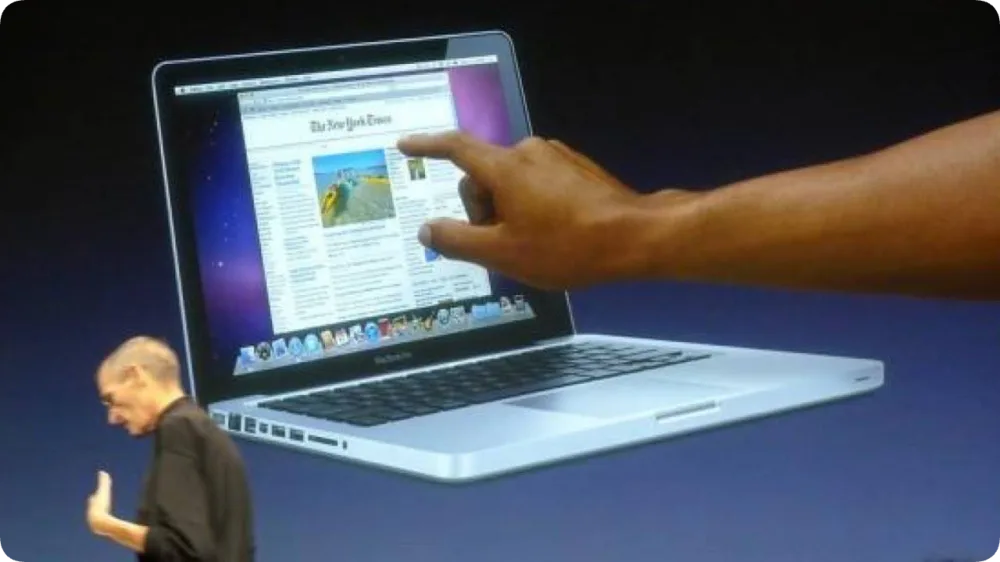
If you remember the early 2010s, Steve Jobs famously hated the idea of vertical touchscreens because of "Gorilla Arm"—the muscle fatigue you get from holding your arm up to poke a screen for ten minutes. Apple used this as a shield for a decade. Tim Cook even mocked the idea of 2-in-1s back in 2012, claiming that smashing two different product categories together would result in a compromise that nobody likes.
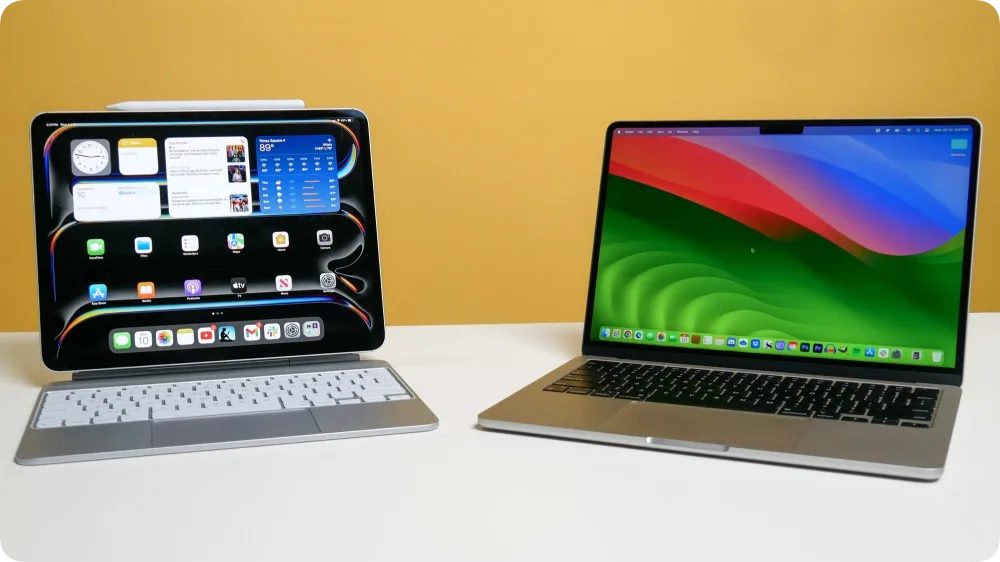
Fast forward to now, and the "compromise" is that we're all just tired of the divide. Even with Stage Manager and M-series chips in iPads, the file management is still a clunky mess. Meanwhile, we've all had that moment of stupidity where we try to scroll on a MacBook screen and just end up leaving a greasy smudge on the glass.
macOS 27 is already prepping for fingers
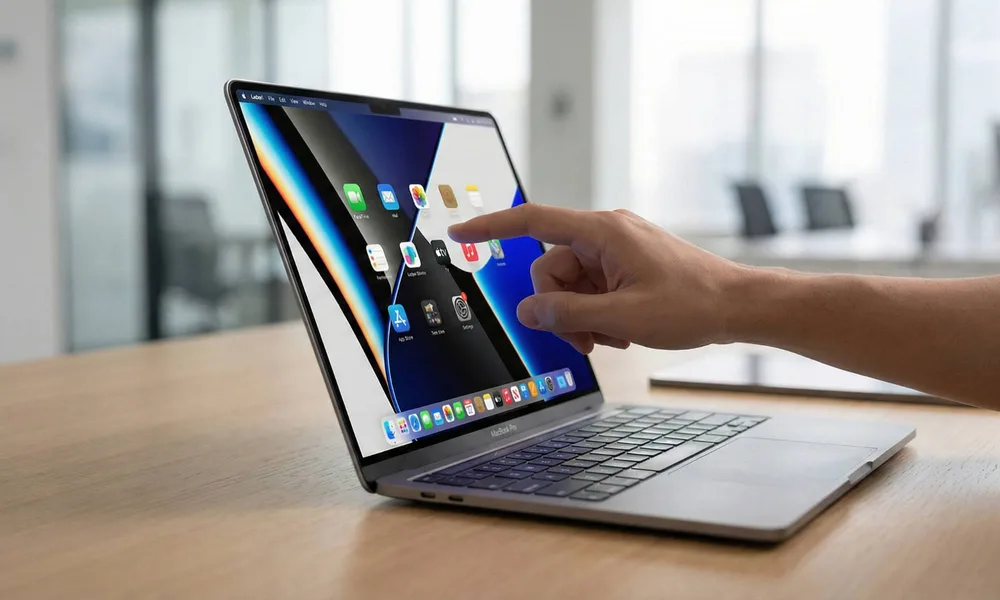
The most interesting part isn't even the hardware; it's the software. If you dig into the macOS 27 underlying code, Apple has already baked in a specific interface to detect if a screen supports multi-touch.
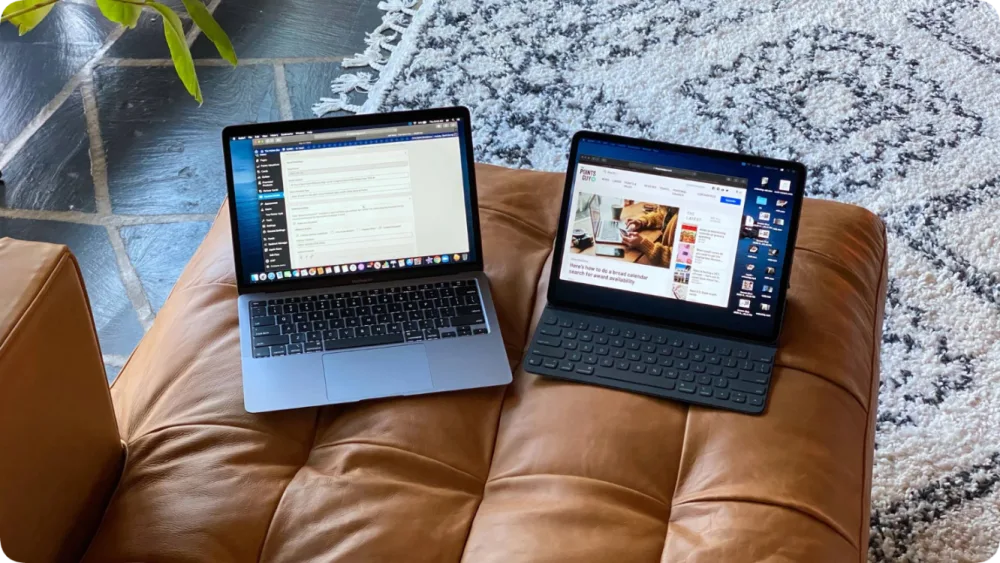
Here is the technical breakdown of what's happening under the hood:
- NSScreen integration: Apple didn't just add a patch; they attached multi-touch capabilities directly to the
NSScreenbase object. This means the OS now treats "touch" as a native hardware property of the display itself. - Direct vs. Indirect Touch: The system now distinguishes between "indirect touch" (the trackpad) and "direct touch" (the screen). This is a huge deal because it allows the UI to adapt.
- Dynamic Hit-Boxes: According to Bloomberg, macOS will be able to sense when a finger is approaching. The cursor stays precise for pro work, but the moment you touch the screen, the trigger areas for buttons and menus will automatically expand so you aren't just poking at pixels and missing.
- Native Touch Gestures: We're already seeing "pull-to-refresh" appearing in the Mail and Safari apps within macOS 27 beta builds. There is absolutely no reason for a trackpad-only laptop to have pull-to-refresh.
The hardware specs: OLED and M5
The hardware rumors are pointing toward the 14-inch and 16-inch high-end models. Forget the 2nm chip hype for a second—initial reports suggest these will likely ship with M5 Pro and M5 Max chips. There's even chatter about a "MacBook Ultra" branding to justify the price hike.
The screen is the real star here. We're looking at Samsung-supplied tandem OLED panels (similar to the new iPad Pro) using On-cell touch technology. This integrates the touch sensors directly into the display panel, which should kill that "screen door" effect common in cheaper touch laptops.
The biggest engineering headache for Apple will be the hinge. If you've ever used a touchscreen laptop, you know the "nodding" effect when you press the screen. Apple is reportedly redesigning the mechanical hinges to increase rigidity and damping so the screen doesn't wobble every time you tap a button, while still keeping the "one-finger lift" feel.
It’s about time. After a decade of telling us that touchscreens are ergonomically offensive, Apple is finally admitting that being able to poke a screen is actually pretty useful. Expect this to drop around October alongside the next batch of iPad minis.