The shift toward one-person AI studios is redefining the nature of software creation.
The real victory lies in the feedback loop rather than the build itself. Examining the "build in bilibili" AI competition results reveals eye-opening data regarding how these "solo-preneurs" are deploying their work.
"Vibe coding" has emerged as a massive trend, enabling people without professional development backgrounds to ship functional applications. Within this competition, roughly 66% of the 13,400 participants were not professional developers, and over 80% operated as solo teams. Remarkably, more than half of these products were completed in under 30 hours for a total cost below $70.
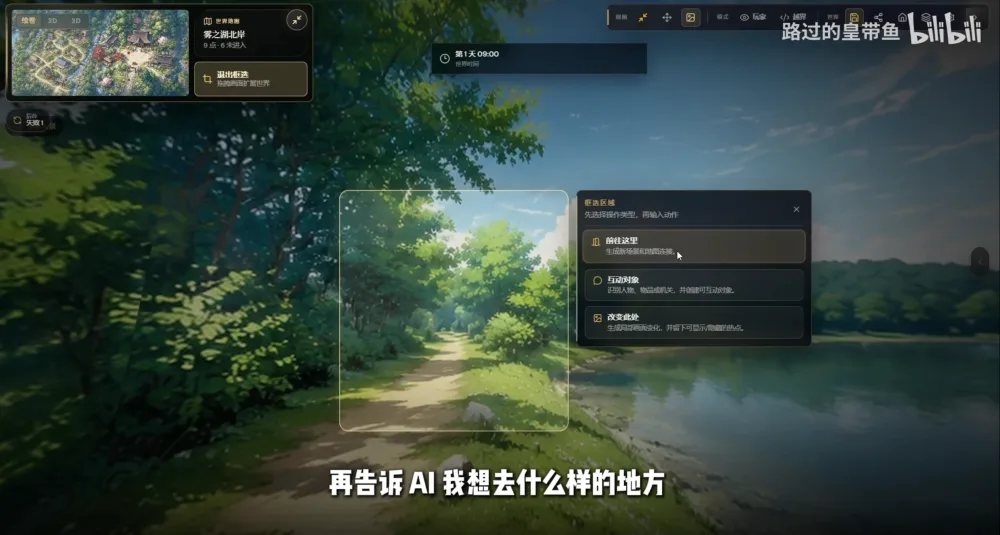
Consider the project World of Gates. The creator spent 14 years watching videos without ever posting. Using AI, he developed an open-world generative game featuring player-defined scenes and AI NPCs. Rather than being an industry veteran, he spent about 1,500 RMB a month on tokens to realize a vision based on the Touhou Project. He transitioned from obscurity to nearly 5 million demo views because AI lowered the barrier to creation while the platform provided an immediate audience.
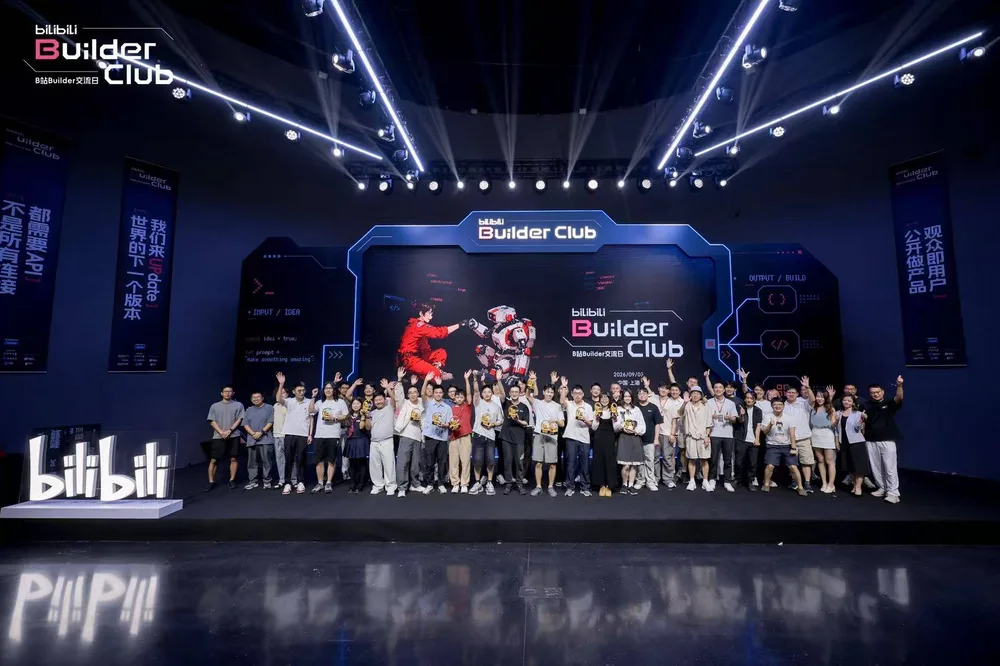
Infrastructure remains a primary pain point for indie AI devs, as hobbyist servers often crash during viral spikes. Consequently, integrated platforms like the Toy platform are becoming sanctuaries for AI experimentation.
A developer named "Zakeji" illustrates the breadth of AI creation by winning three different awards with a diverse portfolio:
- The "Serious" App: A personality test that gained actual traction.
- The Technical Twist: A 3D version of Soul Knight that added a Y-axis to a 2D Roguelike.
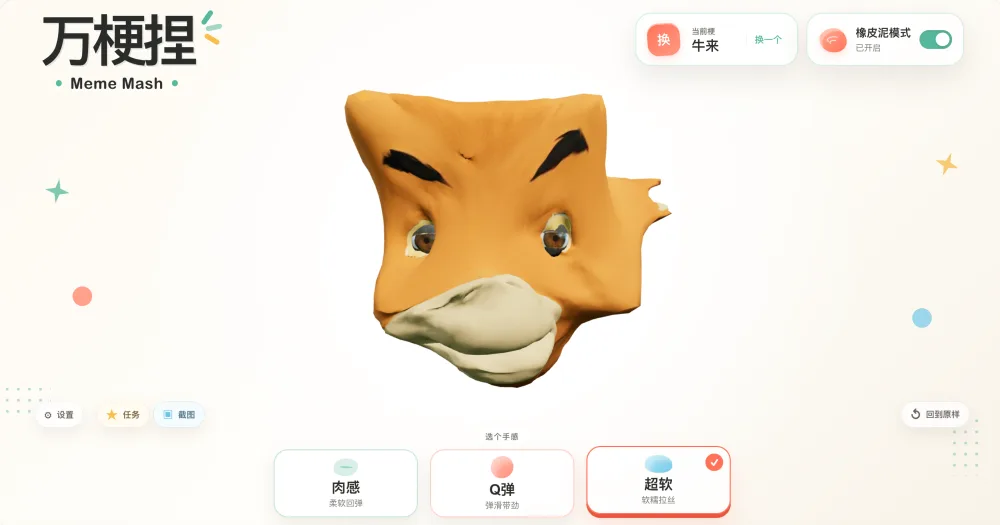
- The "Pure Chaos" Project: Wan Geng Nie, a physics-based "meme clay" simulator for deforming internet memes, which reached 3 million views.
The technical takeaway is that the "cost of failure" has plummeted. When developers no longer need to manage AWS or Vercel clusters for simple interactive demos, they are more likely to ship "useless" yet viral ideas.
All Replies (3)
Want a live back-and-forth? Join the global AI chat room — login to talk.
Struggling with context windows here. Are you using a vector DB or just relying on basic prompting? The real victory lies in the feedback loop rather than the build itself, as examining the "build in bilibili" AI competition results reveals eye-opening data regarding how these "solo-preneurs" are deploying their work. Infrastructure remains a primary pain point for indie AI devs, as hobbyist servers often crash during viral spikes. Consequently, integrated platforms like the Toy platform are becoming sanctuaries for AI experimentation. A developer
Small LLMs cut latency by 40% for me. I used a 7B model for triage. Which framework did you test this on? I also used the Toy platform as a sanctuary to avoid infrastructure crashes during spikes.
Shipped my side project in 30 days! Fast validation beats perfect code. What was your biggest bottleneck during that sprint? For me, the real win was shortening the feedback loop—getting it in front of users early beat polishing every edge case.