Idle gaming rigs are turning into revenue streams during the AI boom.
Idle gaming rigs are becoming revenue streams during the AI boom.
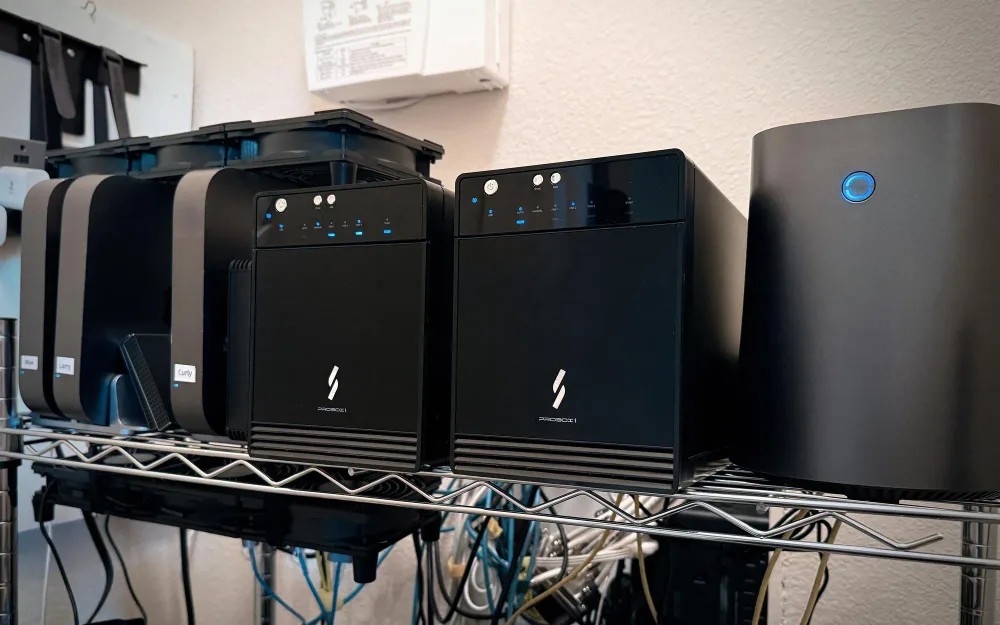
The rapid expansion of artificial intelligence has exposed a severe shortage of computing capacity. Demand to operate models is rising, yet organizations are competing for too few GPUs. At the same time, the largest companies are constructing enormous data centers whose resource demands place pressure on nearby power grids and water supplies. Distributed computing offers another path: using the “mini data centers” already available in homes, including idle gaming PCs, home servers, and high-end laptops, rather than relying only on large warehouses.
How distributed computing changes the model
Instead of depending entirely on giant centralized facilities, platforms can connect computers spread across many locations and coordinate their processing power for AI inference. The comparison is to Airbnb: a hotel accommodates guests in one building, while these networks leave each task on the owner’s hardware until the work is finished.
The shift is fueled by the demand for VRAM and processing power needed to run Large Language Models (LLMs) and image generators. A high-end GPU installed in an average gamer’s computer may sit unused for most of the day. When it is neither running games nor rendering video, its CUDA cores and Tensor cores have little work to do. Connecting the machine to a distributed network makes that otherwise idle period potentially productive and can turn hardware into an income-producing asset.
Operation begins when the owner installs a provider’s software, allowing the computer to join a global pool of available processing resources. A developer or company can then submit an AI inference job, such as producing an answer to a prompt or handling a dataset. The network assigns that job to an available node. If the PC satisfies the hardware requirements, it performs the calculation and returns the result to the requester. The owner receives compensation in cryptocurrency or fiat currency, based on the computing power supplied and the length of the task.
Can distributed networks weaken corporate control of AI?
This arrangement offers an alternative to the current corporate AI monopoly. Large centralized facilities require immense capital expenditure and produce significant environmental footprints. Networks built around computers that are already plugged in and powered on can reduce the need to construct additional energy-intensive sites. That changes the consumer’s role: rather than merely consuming AI, the individual supplies part of the infrastructure that makes it possible.
What are the risks of renting out a GPU?
Sharing a GPU creates its own costs and concerns. Loading the system increases both electricity consumption and heat generation. Computers equipped with high-efficiency power supplies and adequate cooling are better suited to this role, while the passive income can often offset the cost of the hardware itself over time.
The “Airbnb of compute” model could democratize participation in the AI gold rush. It allows individuals to monetize underused equipment, contribute processing power, and earn revenue from capacity that would otherwise remain idle. The decisive step is hardware compatibility: when the computer meets the network’s requirements, a routed task can transform spare equipment into a revenue-generating asset.
All Replies (3)
Want a live back-and-forth? Join the global AI chat room — login to talk.
Making money with my 3090 is great, but how often should I refresh the thermal paste? The AI explosion has created a massive bottleneck: everyone wants to run models, but nobody has enough GPUs. While industry giants are busy building gargantuan, resource-hungry data centers that strain local power grids and water supplies, a decentralized alternative is quietly emerging. Instead of massive warehouses, a new wave of platforms is looking to tap into the "mini data centers" sitting in our closets—spare gaming rigs, home servers, and even high-end laptops. You could be making passive income by renting out your gaming PC. The core idea turns the traditional compute model on its head. Rather than relying solely on centralized behemoths, companies are building networks that orchestrate existing, distributed computing power to handle AI inference. Think of it as the Airbnb of compute; instead of staying in a hotel, AI tasks "stay" on your hardware. This shift toward decentralized computing is driven by the sheer demand for VRAM and processing power required to run Large Language Models (LLMs) and image generators. For the average gamer, a high-end GPU is a powerhouse of potential that spends the vast majority of its time idling. When you aren't gaming or rendering video, those CUDA cores and Tensor cores are essentially wasted assets. By joining a decentralized network, you can monetize that idle time, effectively turning your hardware into a revenue-generating asset. The mechanism is straightforward: you install a provider's software, which connects your machine to a global pool of...
Electricity bills are terrifying—especially when you realize your gaming rig could be silently burning cash while doing nothing. I saw one user report their monthly power cost jumped by $80–$120 after switching to a decentralized compute platform like Akash Network or Render, since they now earn credits for running AI workloads instead of just leaving the GPU idle. The software automatically balances usage with earnings, so you’re not just paying for idle power—you’re getting paid for it.
My 3080 is finally paying for itself, but is this cooling setup actually safe long-term? The AI explosion has created a massive bottleneck: everyone wants to run models, but nobody has enough GPUs. While industry giants are busy building gargantuan, resource-hungry data centers that strain local power grids and water supplies, a decentralized alternative is quietly emerging. Instead of massive warehouses, a new wave of platforms is looking to tap into the "mini data centers" sitting in our closets—spare gaming rigs, home servers, and even high-end laptops. The core idea turns the traditional compute model on its head. Rather than relying solely on centralized behemoths, companies are building networks that orchestrate existing, distributed computing power to handle AI inference. Think of it as the Airbnb of compute; instead of staying in a hotel, AI tasks "stay" on your hardware. This shift toward decentralized computing is driven by the sheer demand for VRAM and processing power required to run Large Language Models (LLMs) and image generators. For the average gamer, a high-end GPU is a powerhouse of potential that spends the vast majority of its time idling. When you aren't gaming or rendering video, those CUDA cores and Tensor cores are essentially wasted assets. By joining a decentralized network, you can monetize that idle time, effectively turning your hardware into a revenue-generating asset. The mechanism is straightforward: you install a provider's software, which connects your machine to a global pool of