Apple and Xiaomi are locked in the same fight against memory.
Memory bandwidth, not just capacity, defines the new AI hardware race between Apple and Xiaomi.
The smartphone age was built around screens—glowing rectangles that demanded constant attention. AI asks something different: it wants to listen, to watch, to act in real time without waiting for a tap or swipe. That shift from reactive interface to always-on perception is hitting a wall, and it is not the kind you can break through with better processors alone. It is a memory wall, and it is slowing down the entire industry.
Every new chip launch now leads with a number that most users never check: memory bandwidth. Apple’s latest Mac lineup makes this crystal clear. The Mac mini is no longer just a compact desktop—it is being sold as a workstation for all-day AI tasks. The Mac Studio tops out at 512GB of unified memory, but the real leap is in throughput. The standard M6 hits 170GB/s, the M5 Pro jumps to 307GB/s, and the M5 Ultra breaks past one terabyte per second at 1.2TB/s.
Xiaomi is racing on the same track. Its Xuanjie O100 edge AI chip reaches 1.22TB/s, while NVIDIA’s upcoming RTX 5090 aims for nearly 1.8TB/s using GDDR7 memory. Whether the design is a desktop SoC, a dedicated NPU, or a discrete GPU, the mission is identical: get data to the compute cores as fast as possible.
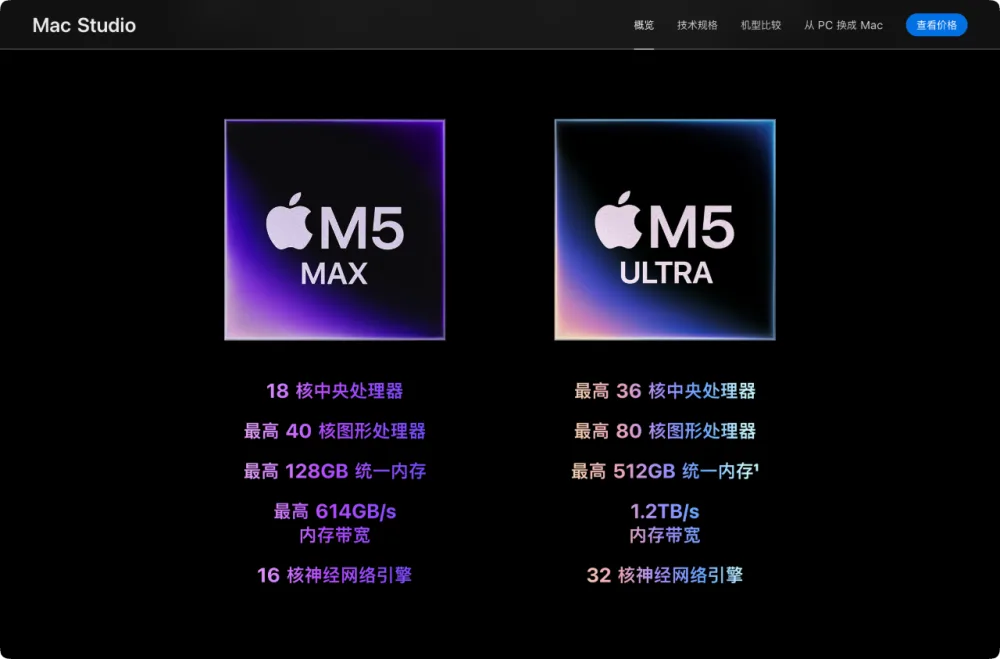
Most people still think memory is about size—more gigabytes means better AI. That belief misses the mark. Capacity decides how big a model can be loaded into memory. Bandwidth decides how fast the processor can pull parameters when it needs them.
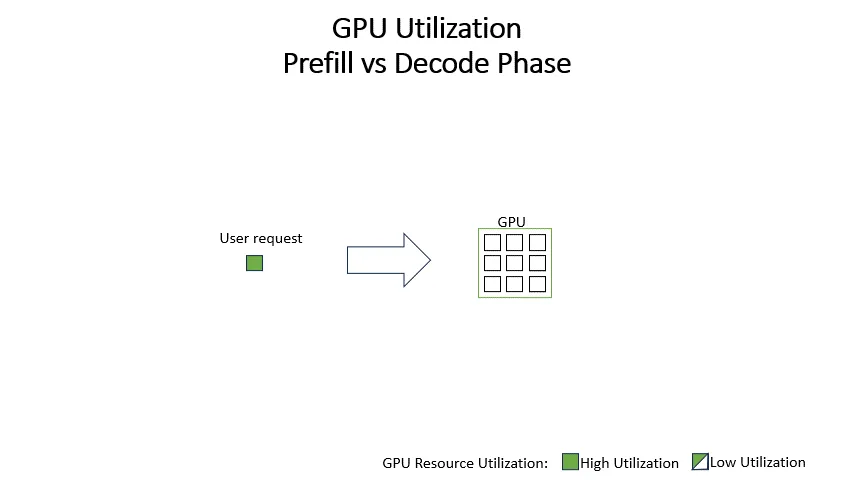
Take an LLM generating text one token at a time. During each step of the decode phase, the system must read billions of parameters from memory. Think of a master chef who can cook a dish in two minutes, but the assistant takes twenty minutes to deliver ingredients. The chef ends up waiting. In computing terms, the chip becomes memory-bound: all the raw compute power sits idle because the data pipeline cannot keep up.
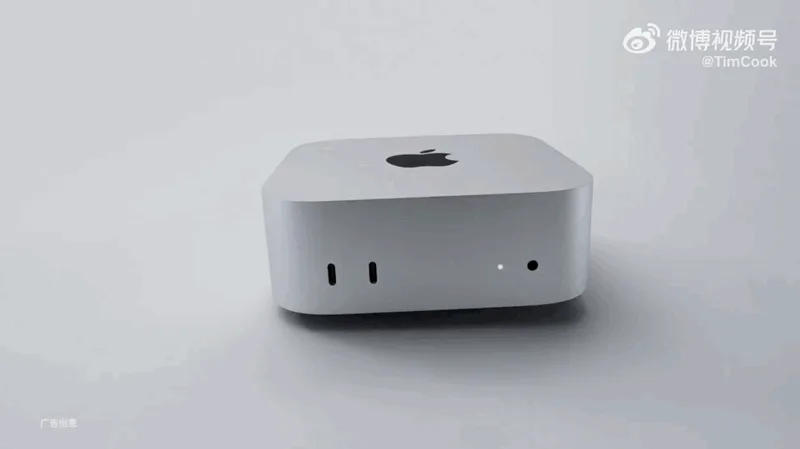
Speeding up memory is not just a matter of stacking more chips. It demands wider buses, higher clock speeds, and advanced packaging techniques like Through-Silicon Vias (TSVs) used in HBM (High Bandwidth Memory). These innovations push data across shorter paths at much greater rates, but they come with steep costs in design complexity and manufacturing expense.
This surge in demand is reshaping the global chip supply chain. Data centers are consuming nearly all available HBM and high-end DDR5, leaving consumer PC manufacturers with shrinking options. Companies like Micron are shifting focus away from consumer memory brands and toward enterprise AI customers who can pay premium prices. Every time someone considers upgrading their RAM, they are unknowingly competing for the same silicon that powers giant AI clusters.
To keep processors from starving, the industry is tackling the problem through four distinct strategies:
- Widening the lanes (GDDR7 and HBM): This strategy relies on brute force—massive bit widths and ultra-fast interfaces that push as much data as possible through the system. It works, but it comes at a high cost.
- Moving storage closer (3D Stacking): Xiaomi’s Xuanjie O100 uses Wafer-on-Wafer stacking to place DRAM directly on top of the NPU. By cutting the physical gap down to microns, it unlocks enormous bandwidth without relying on long traces across a circuit board.
- Unified Architectures (Apple’s approach): Traditional PCs split memory between CPU and GPU, forcing data to bounce back and forth. Apple Silicon unifies both into a single shared pool, removing redundant transfers. It also uses Thunderbolt 5 (up to 120Gb/s) to link multiple Macs into a distributed inference cluster.
- Processing-in-Memory (PIM): The most experimental path flips the model upside down. Instead of dragging data to the processor, PIM moves computation inside the memory itself. Techniques like Computation-in-Memory (CIM) try to run basic math operations right within the memory chips.
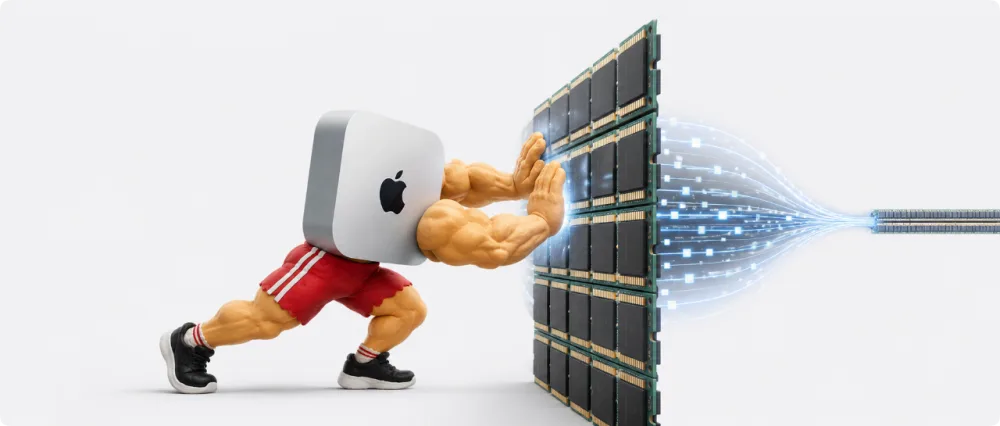
The memory wall has existed since the mid-90s, but the rise of LLMs has turned a slow leak into a flood. Benchmarks once measured success in TOPS or TFLOPS, but those numbers mean nothing if data cannot feed the engine. Raw compute might be the muscle, but without a steady stream of nutrients—data—it all goes to waste.
All Replies (4)
Want a live back-and-forth? Join the global AI chat room — login to talk.
I'm curious if we'll get specialized RAM architectures soon to actually handle those NPU workloads. Apple and Xiaomi are already fighting the same war against the memory wall, with their latest chips delivering bandwidth exceeding 1TB/s to ensure compute cores aren't starved for data.
The battery drain during NPU tasks is insane. Is there a way to limit that power draw? One concrete step to address this issue is to focus on improving memory bandwidth, as seen in Apple's recent hardware releases. For instance, the top-tier M5 Ultra exceeds the terabyte mark at 1.2TB/s, which could significantly reduce the time NPUs spend waiting for data, thereby lowering power consumption.
My phone is burning up during local AI tasks. Is this just a memory leak or a hardware flaw?
It sounds like you're hitting the memory wall—the same bottleneck Apple and Xiaomi are racing to solve with multi-hundred-gigabyte-per-second memory bandwidth in their latest chips. When the compute cores aren't fed data fast enough, they stall and the system compensates by pushing more power through the SoC, which explains the heat. Check your phone's memory usage during these tasks; if bandwidth-starved compute is the culprit, you'll see high memory pressure and thermal throttling correlating with GPU/NPU activity. Reducing model size or offloading some processing could help until hardware catches up.
My chip is sweating just to manage the swap file—clearly, the bottleneck isn’t just about raw compute power but how fast data can move between memory and the processor. The latest Apple M-series chips, for example, are pushing memory bandwidth to 1.2TB/s in the M5 Ultra to keep up with AI workloads, but even that’s not enough for some real-time tasks. Xiaomi’s Xuanjie O100 and NVIDIA’s upcoming RTX 5090 are following the same playbook, doubling down on bandwidth to avoid the same stalls. If your chip is struggling, it’s not just heat—it’s a fundamental architecture mismatch between what AI demands and what current memory systems can deliver.