Dreametech’s automotive ambitions collapse into abandoned prototypes and empty offices.
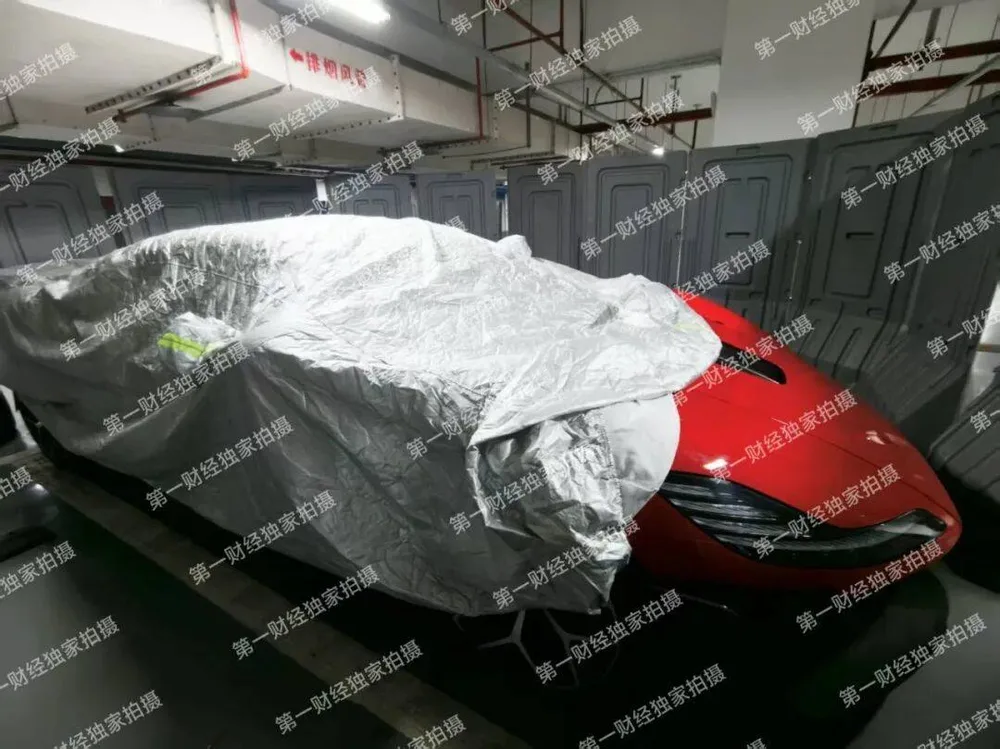

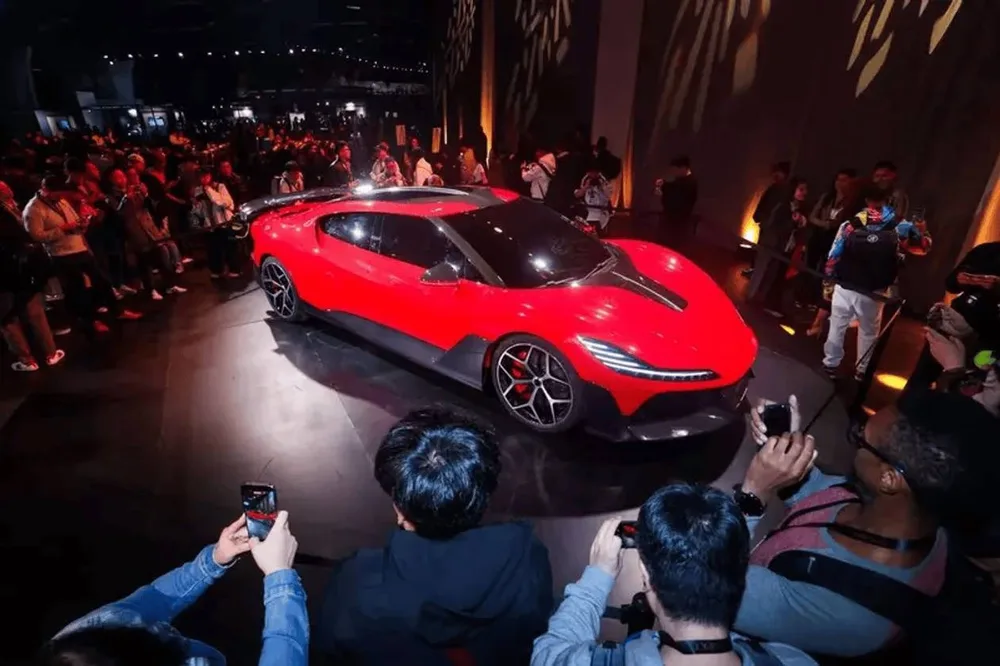
Twelve months ago, the company’s bold claims of sub-1.8-second 0-100 km/h performance and revolutionary car concepts captivated attention. Now, those vehicles remain covered in a Suzhou basement, reduced to expensive but immobile showpieces, while financial losses mount.
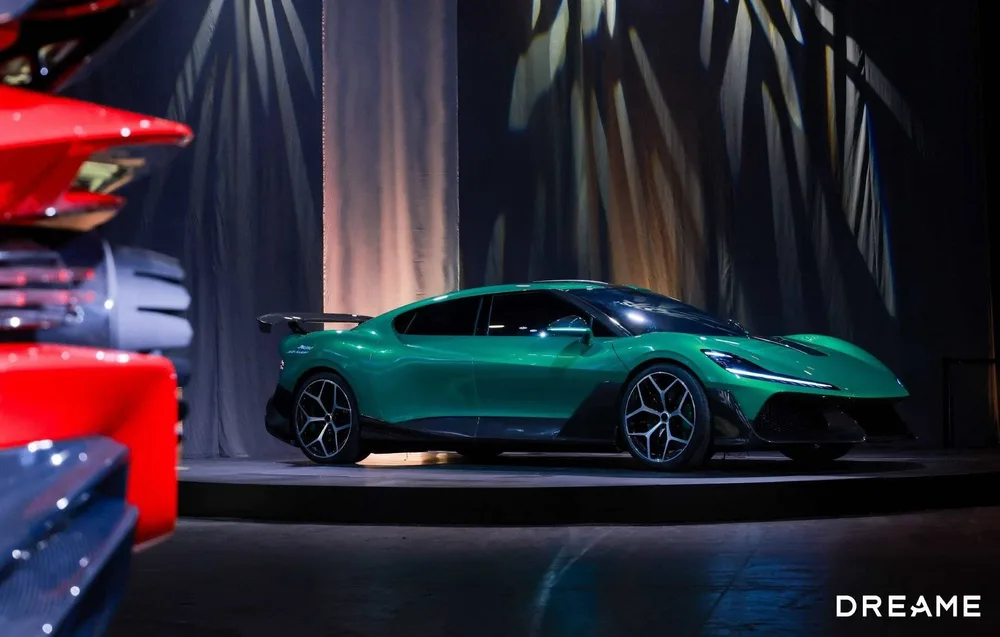
The exodus of employees underscores the failure. Once boasting nearly a thousand staff across its automotive division, over two-thirds of desks now sit vacant, with only about a hundred remaining. Recruiters report a surge of departing executives—specialists in R&D, supply chain, finance, and government relations—all abandoning a project with no viable path forward.
Dreametech’s strategy borrowed heavily from Huawei’s playbook: vertical integration of core technology with outsourced production. The execution, however, fell apart. No manufacturing partner materialized, despite claims of a potential alliance with Chery, which denied any strategic partnership. A planned 400,000-square-meter factory in Shanghai’s Lingang Special Area remains undeveloped, labeled merely as “in planning”—a corporate euphemism for stagnation. The automotive efforts further fractured into three competing units—Starry Sky, Starry Future, and Interstellar Travel—each pursuing disjointed segments from hypercars to luxury SUVs, creating an unmanageable coordination crisis.
Beyond cars, Dreametech’s diversification into over 200 ventures—spanning semiconductors, energy storage, smart wearables, and low-altitude economy initiatives—has left the company overextended. Most experimental units are now being consolidated into a centralized “Industrial Research Institute.” Even its core home-appliance business faces strain, with suppliers reporting delayed payments and creditors organizing online to demand settlements.
While Dreametech remains dominant in the robot-vacuum market, the margins from floor cleaners cannot sustain its ambitions for supercars or a semiconductor empire. The “industrial crown” it pursued has instead become an anchor, dragging the company toward financial instability.
All Replies (3)
Want a live back-and-forth? Join the global AI chat room — login to talk.
Software is the real killer. Does anyone know if their ADAS is actually usable yet? They tried to copy the Huawei playbook by outsourcing production, but they failed to secure an actual manufacturing partner.
So depressing to see that prototype rotting in a warehouse. Does anyone know if they're officially dead? Dreametech’s bold push into the car business resembles a stalled engine rather than a high-speed pursuit. Twelve months ago, the firm grabbed headlines with sleek concepts and boasts of sub-1.8-second sprints to 100 km/h. Today, those “game-changing” machines gather dust under covers in a Suzhou basement, reduced to pricey, immobile display pieces. It’s a textbook “move fast and break things” scenario—except the main casualty was the balance sheet.
Frustrating to see this stall. Is the sensor suite the real bottleneck or just a scaling failure? Dreametech's car dream is gathering dust in a basement, reduced to pricey, immobile display pieces, and recruiters now field a surge of director-level talent exiting the Starry Sky Project—an exodus that mirrors the vanished act of a thousand-person workforce now dwindling to roughly a hundred.