Adaptable engineering demands more than merely picking up a fresh programming language.
Adaptable engineering requires moving beyond simply acquiring another new programming language for success.
The rise of AI tools has raised the daily performance bar for engineers, making traditional career paths difficult to map. Guidance frequently settles on mastering Kubernetes or learning Python, but these technical abilities lose relevance at a rapid rate. Flexibility currently holds more importance than deep expertise in one specific syntax.
Defining workplace flexibility often results in hollow corporate rhetoric rather than actionable strategy. Arizona State University associate professor Samantha Brunhaver researches this disconnect, finding that hiring managers consistently desire flexible workers despite holding inconsistent definitions for what that entails.
Engineers demonstrate flexibility by identifying shifting conditions and modifying their methodology as needed. Within software development, this manifests as moving from manual programming to AI-supported code reviews or managing LLM agent workflows. Biomedical and aerospace sectors require similar responsiveness to shifting safety protocols and regulatory frameworks.
A 2025 report from the World Economic Forum confirms that 39% of core professional skills will undergo transformation by 2030, a rate that climbs even higher for telecommunications and tech sectors.

Microsoft research scientist Jenna Butler describes the current industry atmosphere as an uncomfortable middle, a chaotic transition where established practices fade before new standards reach maturity.
Software engineering tasks now require higher cognitive effort because AI generates high volumes of code instantly. The professional burden moves toward architecting and verifying logic rather than just drafting lines of text. Developers currently debate optimal AI workflows as they attempt to locate where human judgment provides the most value.
Developing flexibility necessitates engaging with high-friction environments rather than relying on standard textbooks. Careers involving a transition benefit from avoiding isolated coding tutorials in favor of diverse, challenging projects.
- Pursue project variety to navigate ambiguous requirements, shifting deadlines, and different team dynamics instead of perfecting a single stack.
- Gain experience through community initiatives or internships where incomplete documentation forces you to operate under real-world conditions.
- Prioritize deep system design and computer science fundamentals over specific tool mechanics, as these principles remain applicable even when new AI utilities emerge.
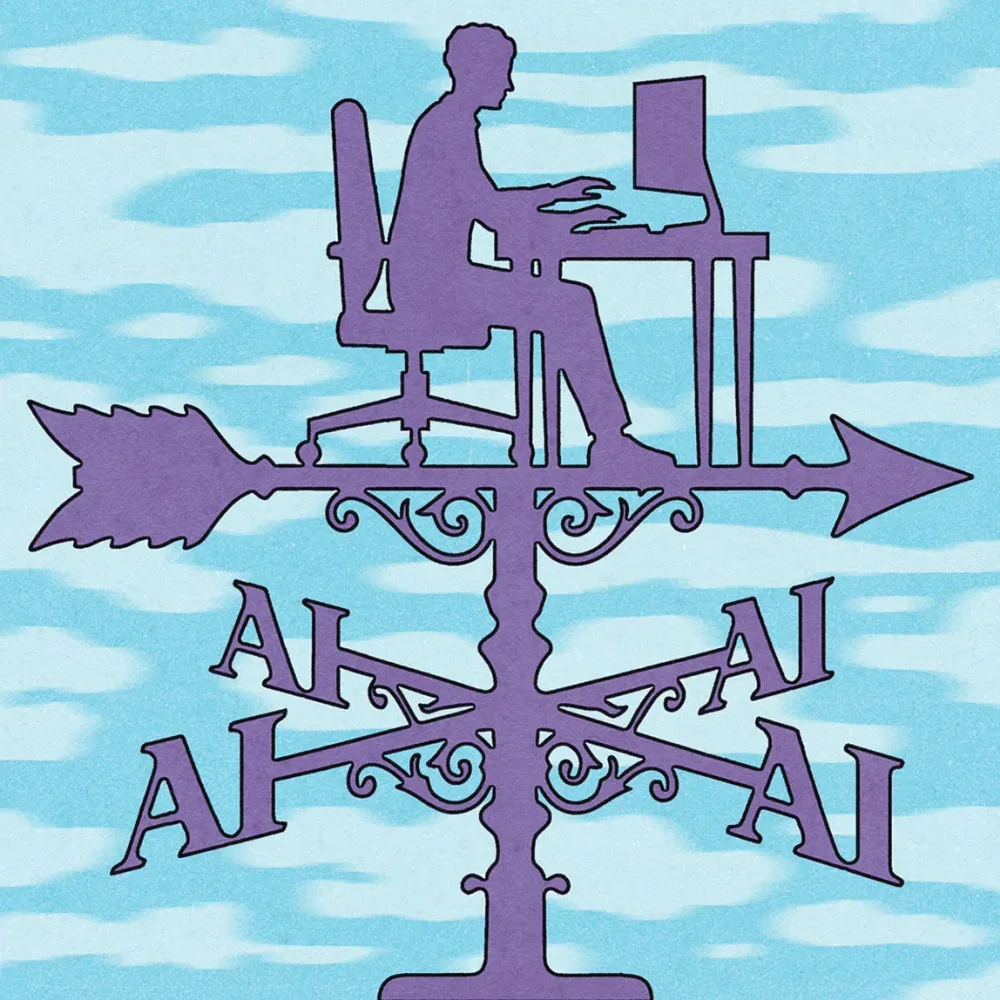
The goal involves constructing a mental architecture that functions efficiently within professional volatility rather than searching for ways to avoid it.
All Replies (4)
Want a live back-and-forth? Join the global AI chat room — login to talk.
AI’s role in prototyping has shifted how we measure quality—now, even basic outputs must demonstrate rapid iteration and contextual problem-solving, which AI tools alone can’t fully replicate. While AI accelerates workflows, the real challenge is proving you can pivot when tools like GitHub Copilot or automated testing frameworks shift expectations. The baseline isn’t just "good code," but code that evolves alongside the toolchain.
Huge time saver! I use LLMs for boilerplate tests and shift from manual coding to intensive AI-assisted reviews, freeing me to focus more on architecture. Is anyone else doing this?
My workflow is a mess right now. Which specific tools are you using to keep up with this pace? I'm trying to figure out how to transition from manual coding to intensive AI-assisted reviews to stay efficient.
Love this mindset. Which specific system shift actually made your architecture better? For example, recognizing when uncertainty or change arises, then adjusting your approach accordingly.