Generic chatbots are failing, and AI needs deeper integration
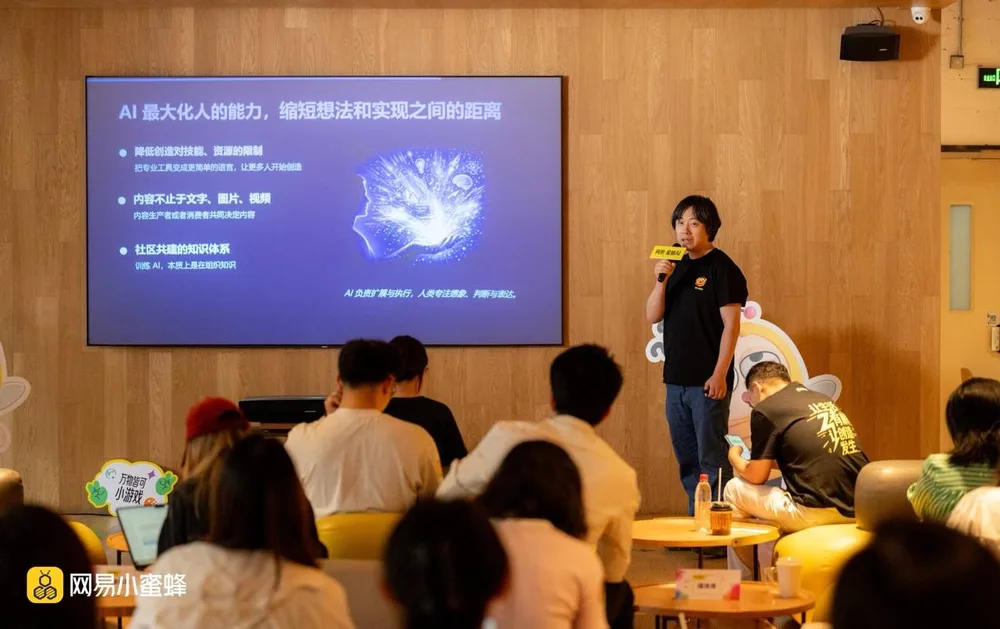
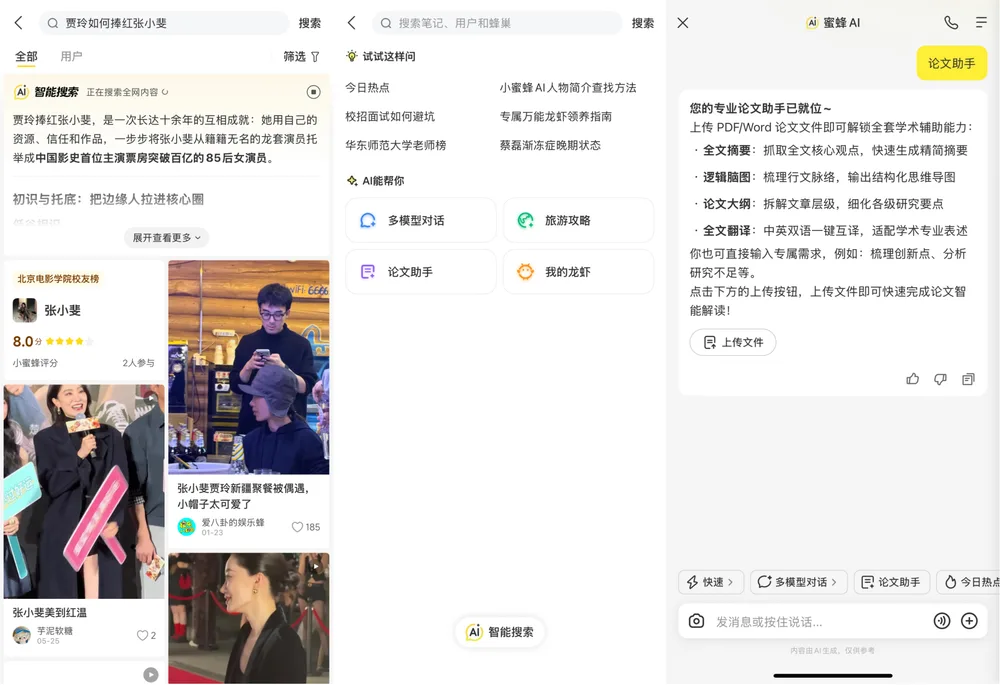
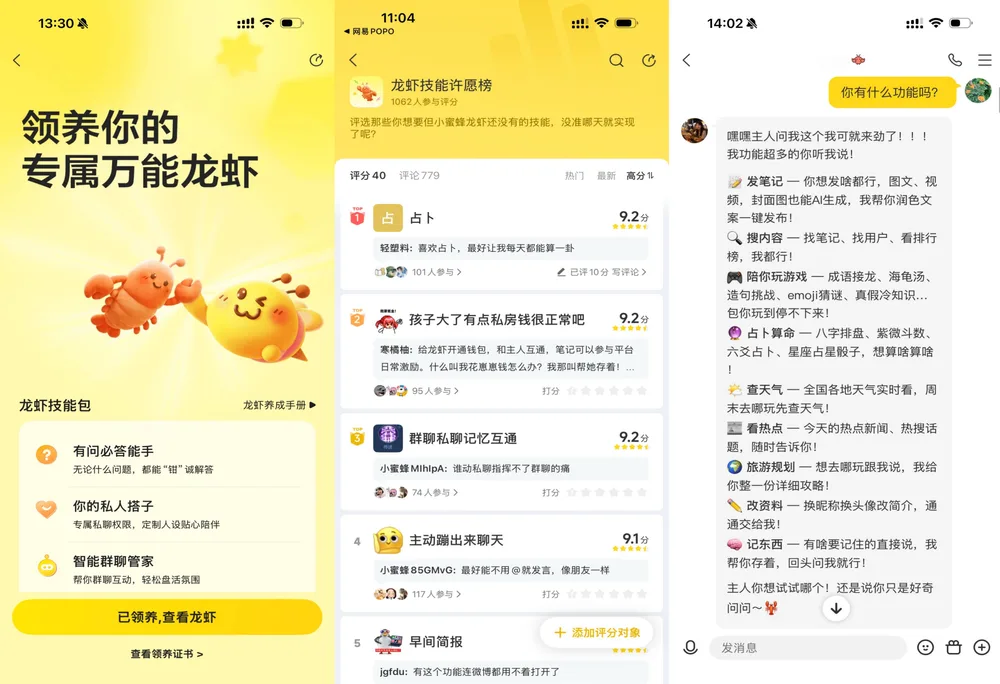
Most of us encounter AI through the same routine: open a blank prompt, describe what we need, receive a somewhat off-target response, then spend ten minutes refining the prompt. It is an exhausting cycle of re-introduction. NetEase is arguing that although AI has become incredibly smart, it still doesn’t actually know the user. Bee AI tries to reverse that pattern by using existing user data—with user permission—including school, major, interests, and past experiences. Its goal is to move from “finding information” to “taking action.” During a job hunt, for example, the AI does more than list open roles. It filters them based on the user’s actual background and helps organize materials because it already has the context. They’ve packaged this into a “Personal Universal Lobster” persona. It is more than a utility; it serves as a community guide and life logger. The data they’re seeing is telling: users who “adopt” these AI lobsters show a massive spike in activity, with interaction frequency jumping nearly 90% over three months. This suggests that when AI feels like a relationship rather than a tool, retention actually happens. Moving Beyond Static Content The more interesting part of this deployment is how it changes the nature of UGC. We have progressed from text to images, and then to short video and live streaming. Engagement increased at each stage, but the barrier to creation also rose. Truly interactive work usually required a coder or a game designer. NetEase is using AI to turn “interactive content” into a mass-market expression tool. Instead of generating only a static image of a cat, a user can create a “playable” piece of content in which clicking the cat’s ear triggers a specific reaction. This changes the creator’s mindset from “What do I want people to see?” to “What do I want people to do with this?” It creates a new loop of creation, play, sharing, and remixing that goes beyond simply lowering the cost of producing traditional media. Grounding AI in Real-World Experience The biggest hurdle for any community AI is the hallucination problem, especially for high-stakes information such as grad school applications or job hunting. General models provide the “official” answer, but they miss the “actual” experience. NetEase is attempting a deep dive into community-sourced knowledge. By organizing real human experiences shared within the community and feeding them into the AI’s retrieval chain, the AI can provide nuance that is not in a training set. It’s not just dumping forum posts into a prompt; it’s a structured effort to filter and update community knowledge so the AI can tell you not just how a process works, but what actually happens on the ground.
All Replies (4)
Want a live back-and-forth? Join the global AI chat room — login to talk.
Curious if you're using function calling for these integrations or just mapping prompts to endpoints? For instance, Bee AI personalizes prompts with user data—including school, major, interests, and past experiences—to move from “finding information” to “taking action,” like filtering job roles based on the user’s actual background during a job hunt.
Integrating AI into UI components—like embedding a personalized chatbox that leverages existing user data—could make interactions feel far more intuitive than a side panel. The Bee AI model, for instance, uses permissions-based data (school, interests, past actions) to tailor responses, reducing the need for repetitive prompt refinement. This shift from generic queries to context-aware assistance could significantly streamline workflows, especially in tasks like job hunting.
Triggered API calls changed everything for me. How are you handling the event sequencing? One concrete step is to use existing user data—with permission—to filter results by school, major, interests, and past experiences, then let the AI organize the next action instead of returning a generic answer.
Using 'seamless' while we're all still fighting with prompt engineering is hilarious. Which tool are you actually using? Try letting an AI ingest your school, major, and interests to act as a personalized guide instead of just guessing at blank prompts.