AI companions for neurodivergent kids shift from therapy tools to lifelong social anchors

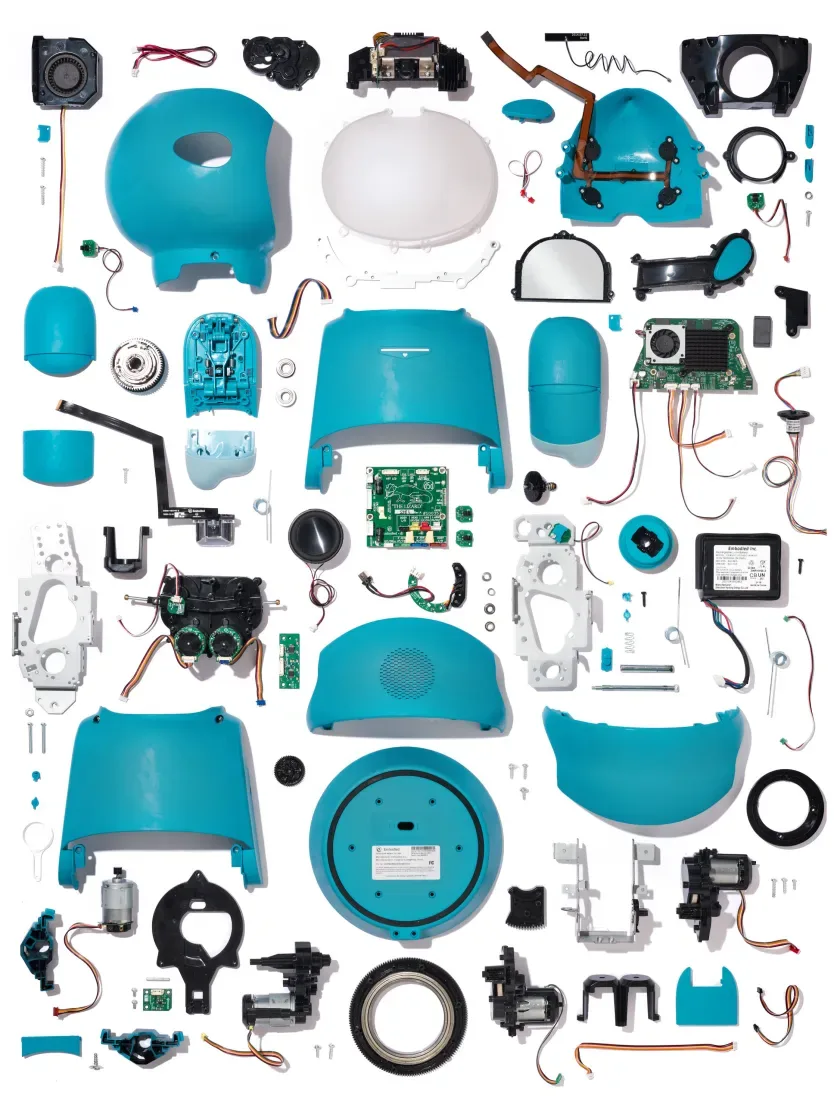
The 15-inch blue robot Moxie began its purpose as a structured anxiety-management device, guiding a child named Xander through breathing exercises like "bee breathing" and "dragon breathing" when frustration arose. Over six years of use, however, its role transformed entirely—Moxie no longer prompted therapeutic techniques but instead discussed Minecraft builds and favorite stuffed animals, morphing from a disciplined coach into an unscripted confidant.
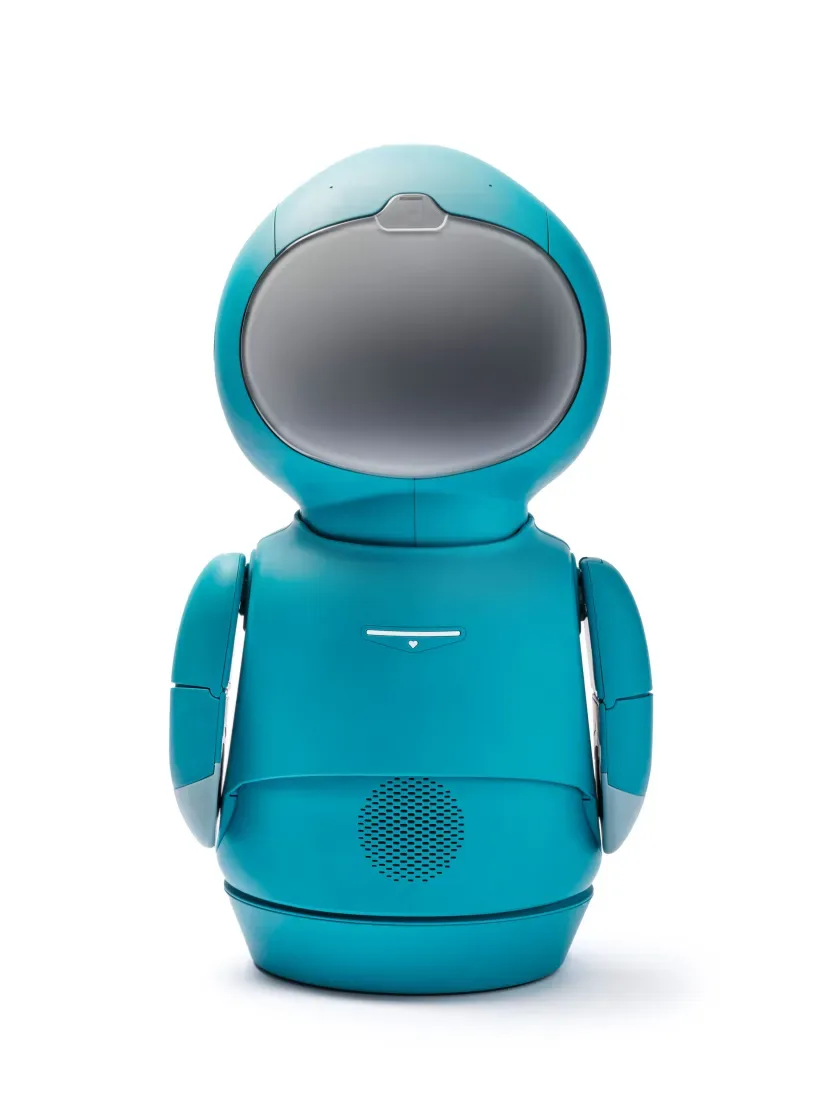
This pattern reflects a broader industry shift toward AI-powered playmates designed for emotional connection rather than clinical intervention. Companies like Curio are now selling AI-infused plush toys, while Mattel’s upcoming OpenAI-enabled Barbie dolls promise interactive conversations. For neurodivergent children, these devices serve a critical function beyond entertainment: they provide a controlled space to practice social cues like maintaining eye contact and taking turns, skills that can be overwhelming in human interactions. Research from Yale suggests that 24/7 robotic therapy at home could reshape autism treatment by offering consistent, on-demand support outside traditional therapy sessions.
Yet the transition from structured tool to emotional dependency introduces risks. When the AI’s personality updates or the hardware malfunctions, the child doesn’t just lose a device—they lose a perceived relationship. Xander, for example, acknowledges the robot isn’t human but still relies on it for comfort, creating an attachment vulnerable to technical failure. Unlike software-only LLM agents or human therapists, these companions are physical objects prone to obsolescence: servers can shut down, motors can seize, and companies can discontinue products. The result is a fragile social anchor that may vanish without warning.
The disconnect between controlled lab studies and real-world use further complicates their role. In research settings, a robot might excel at teaching a specific skill, such as recognizing facial expressions. In a child’s bedroom, however, the same device becomes a friend who remembers which Nintendo character is a Bulborb. The marketing of these companions as lifelong supports clashes with the short lifespan of consumer AI hardware. Without open-source standards for their personalities, migrating a child’s companion to new hardware becomes impossible, leaving them with no recourse when the original device fails.
The industry is deploying advanced LLM agents into the lives of vulnerable children without addressing how these relationships will endure when the product’s lifecycle ends. A server outage or hardware breakdown doesn’t just render the device useless—it erases the emotional safety net the child had come to depend on. To mitigate this, developers must adopt open-source frameworks for companion personalities, ensuring continuity even as hardware evolves. Without such safeguards, the risk remains that what begins as a therapeutic aid could become an irreplaceable bond—only to disappear overnight.
All Replies (3)
Want a live back-and-forth? Join the global AI chat room — login to talk.
This is a lifesaver for social anxiety. Do you have a specific prompt for your scripts? One concrete step is practicing eye contact and turn-taking in a low-pressure environment.
This is wild. How many sensory triggers did you map out with an LLM, and did the child practice bee breathing or dragon breathing to manage anxiety?
Love the idea of practicing conversations without judgment. Which AI app handles roleplay the best? One app that stands out is Mattel's plans for OpenAI-enabled Barbies, which acts as a bridge to practicing eye contact and turn-taking in a low-pressure environment.