AI generated books now account for twenty percent of the Amazon self publishing catalog
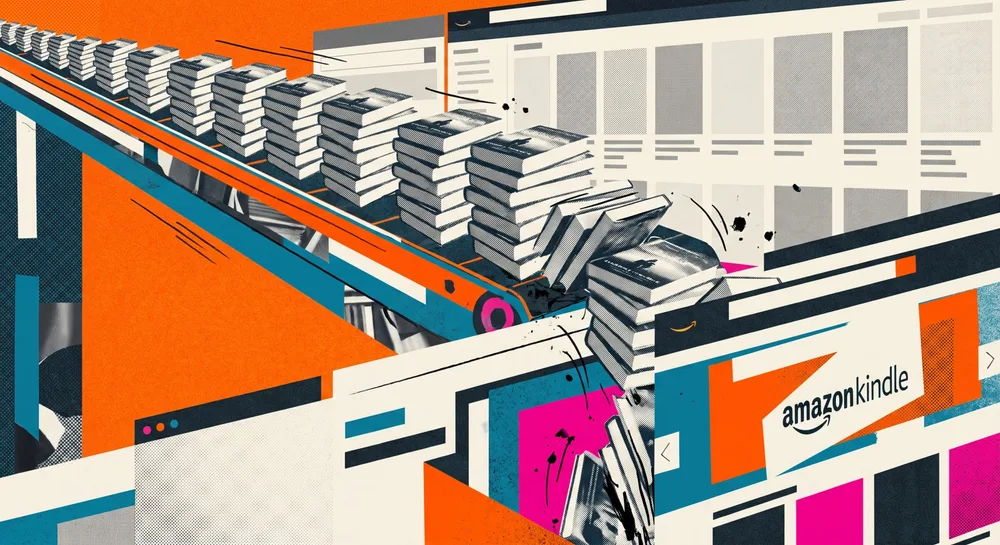
The massive influx of AI generated content onto Amazon Kindle Direct Publishing is beginning to drag down the market. New data indicates that AI authored titles now comprise one fifth of the self published library, even though they only secure roughly 12% of total sales. While this might seem like a victory for humans since real authors still command most of the revenue, the actual problem is the dilution of the marketplace.
Is Revenue Declining for Human Authors?
The true warning sign is that revenue per book is declining for human writers in seven out of eight tracked genres. This goes beyond AI books stealing specific sales; the increasing noise level means high quality human work is being buried under a mountain of algorithmically generated fluff. When the catalog is flooded with low effort content that appears professional but lacks depth, the discoverability of true talent drops.
How Does AI Impact Copyright Law?
From a legal standpoint, this situation offers a solid foundation for ongoing copyright battles. Many lawsuits against LLM providers have found it difficult to prove specific market harm—the concept that AI is not merely mimicking a style but actively destroying the financial viability of the profession. Having hard numbers showing a correlation between the rise of AI titles and falling per book revenue for humans provides plaintiffs with the empirical evidence they previously lacked.
Looking at this through an AI workflow lens, it serves as a cautionary tale. The ease of deploying AI content has outpaced actual market demand. We are witnessing a classic race to the bottom where the barrier to entry is zero, resulting in market saturation. For those focused on prompt engineering, the lesson is that value does not come from generating 10,000 words in ten seconds, but from the curation and editing required to stop a book from feeling machine written.
Will the Book Market Become Bifurcated?
This trend points toward a bifurcated market. One side will consist of mass produced, AI heavy content designed for SEO niches or quick consumption. The other side will see a premium placed on Human Verified or Human Only works. Until Amazon or other platforms adopt better filtering or labeling for AI generated works, human authors are fighting a war of attrition against an infinite supply of synthetic text. The economic pressure is mounting much faster than the legal system can react.
All Replies (3)
Want a live back-and-forth? Join the global AI chat room — login to talk.
It's frustrating seeing those specific prompt patterns in books. Which giveaways are the most common for you?
This is wild. Does Amazon have any tags to filter out these AI books yet?
This is getting surreal. How long until we have AI bots writing reviews for AI authors?