Imagine Image 2.0 Challenges GPT-Image-2 with Layer-Based Editing
GPT-Image-2 has been the undisputed king of AI image generation since April, dominating everything from complex infographics to quick Photoshop tasks. But quality isn't the only way to win. Musk's Imagine Image 2.0 is carving out a niche by leaning heavily into meme culture and interactive editing, currently ranking second globally in both text-to-image and image editing on the LMSYS Arena.
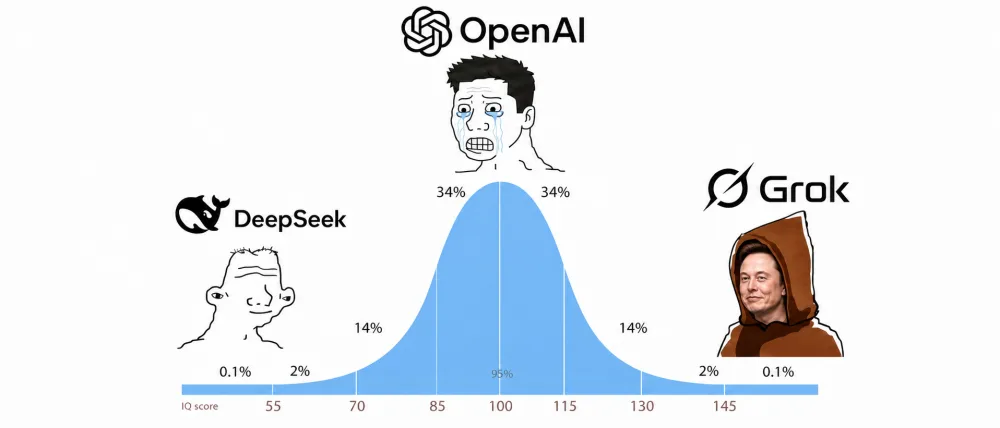
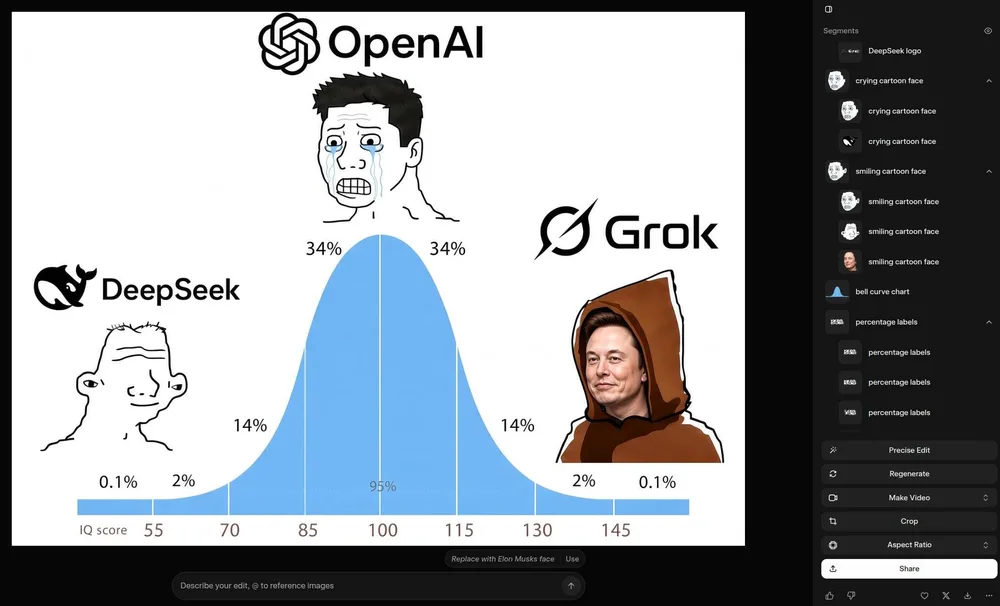
While most models focus on generating static assets like UI/UX mockups or storyboards, Imagine Image 2.0 introduces a precise, layer-based editing workflow. When you upload a photo, Grok automatically segments the image into layers. For example, in a Wikipedia-style meme, it can distinguish between different fragments of the globe and separate a person's face from their hand gestures. You can export these individual elements as transparent PNGs just by clicking a download button, or use the magic wand tool to manually refine selection areas that the auto-segmentation missed.
The multi-image reference capability is also a standout, allowing up to five input images to be merged or stitched together automatically. This makes it a practical tutorial for anyone wanting to customize existing memes. If you take a classic "Distracted Boyfriend" image, you can select specific areas and swap them out with new content. Similarly, it handles whiteboard memes efficiently by recognizing individual speech bubbles as separate selectable layers, allowing you to inject custom text into a comic-style layout.
However, the "guardrails" are becoming a point of frustration. Some users report that the censorship is getting too aggressive; trying to generate a Spider-Man image often triggers a "copyrighted content" warning, and the filters for "suggestive" content have become significantly tighter.
While Grok is iterating, there's evidence that OpenAI is preparing a counter-strike. A model codenamed "mona-lisa-1" has appeared in the Arena, and early testers suggest it's a successor to GPT-Image-2. The main improvement isn't a massive jump in quality, but a reduction in "AI slop." It produces images that look like genuine, low-quality smartphone snapshots—complete with sensor noise, awkward angles, and natural lighting—rather than the polished, cinematic look typical of AI.
Interestingly, some users have found a prompt engineering trick to get ChatGPT to "selfie." By asking for a "failed snapshot" with motion blur and poor composition, the model uses its memory of the user to generate a startlingly realistic photo of what it "thinks" it looks like.
Verifying "mona-lisa-1" through OpenAI's SynthID tool confirms it is indeed an OpenAI product. However, its knowledge cutoff seems to be around May 2025, and it struggles with recent timelines (like Anthropic's release history), leading some to speculate that this might be a "GPT-Image 2.0 Mini" or perhaps a forthcoming open-source model.
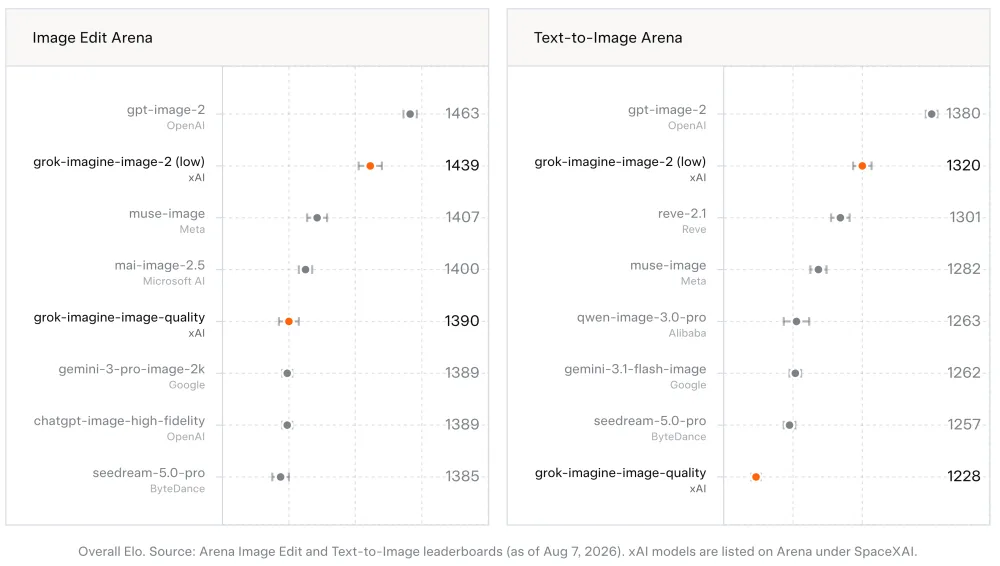
If you want to try the Grok version, the deployment is live here:
https://grok.com/imagineAnd for those who want to check if an image was generated by OpenAI, they have a verification tool here:
https://openai.com/research/verify/All Replies (4)
Want a live back-and-forth? Join the global AI chat room — login to talk.
Mind-blown by the detail on those logos. Which prompt did you use to get that quality?
Shocked by the prompt adherence on this version. Which prompts worked best for you?