Huawei smart driving is finally hitting the $15k price bracket
The Xinghai V6 just dropped pre-sale pricing starting at 104,900 RMB, and the real story here isn't the car itself, but the fact that Huawei's Qiankun smart driving is now sliding down into the budget family SUV segment. We're seeing a clear strategic move to push high-end tech into the mass market, though it comes with some expected compromises.
The pricing breakdown is pretty straightforward:
- 400km Luxury: 89,900 RMB
- 510km Noble: 104,900 RMB
- 400km Qiankun Enjoy: 104,900 RMB (Pre-sale)
- 510km Qiankun Flagship: 124,900 RMB (Pre-sale)
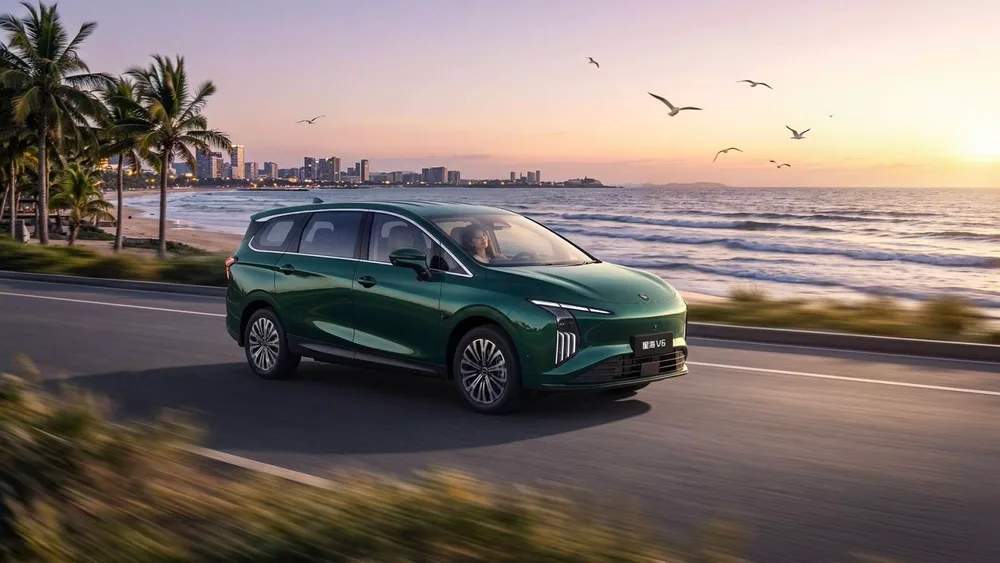
The core difference between these trims boils down to battery capacity (45.5kWh vs 60.5kWh) and whether you get the Huawei Qiankun suite.
The "SE" Trade-off in Smart Driving
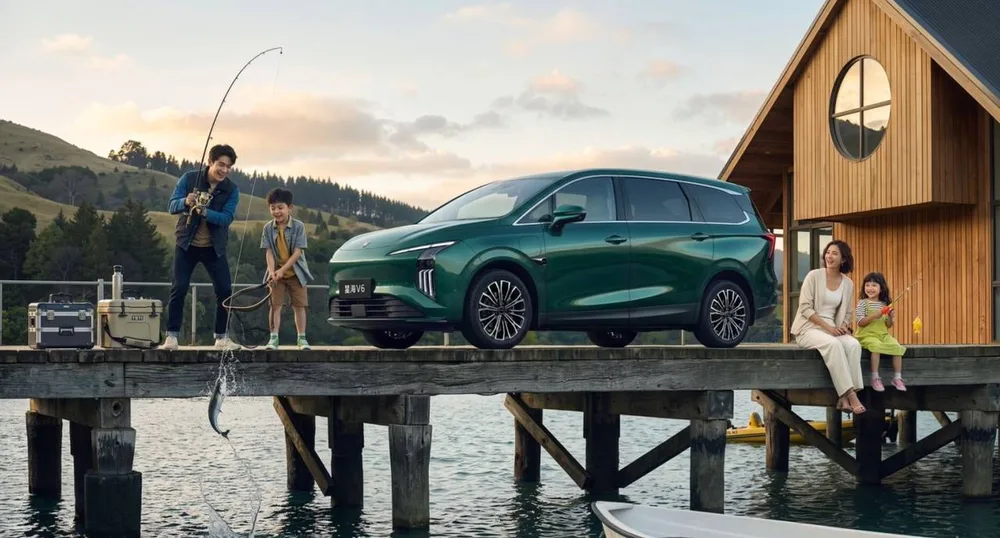
For those looking for a deep dive into the tech, the Xinghai V6 uses the Huawei Qiankun ADS 5 SE. This is a "lite" version designed for cost-efficiency. It relies on a sensor array of 10 cameras, 12 ultrasonic radars, and 3 millimeter-wave radars. Crucially, there is no LiDAR.
Because it's the SE version, you lose the high-end "door-to-door" valet parking and full urban NCA (Navigation Cruise Assist). However, it still handles the essentials:
- High-speed NCA: Lane changes and ramp exits on highways.
- Urban LCC+: Lane centering and traffic light recognition.
- Smart Parking: Includes remote and memory parking.
- CAS 5.0: Active safety systems.
It's essentially a "smart driving entry ticket." You aren't getting the full-blown AI agent experience found in $50k cars, but for a family vehicle at this price point, having reliable highway pilot and auto-parking is a massive upgrade over standard cruise control.
Space Management and Hardware
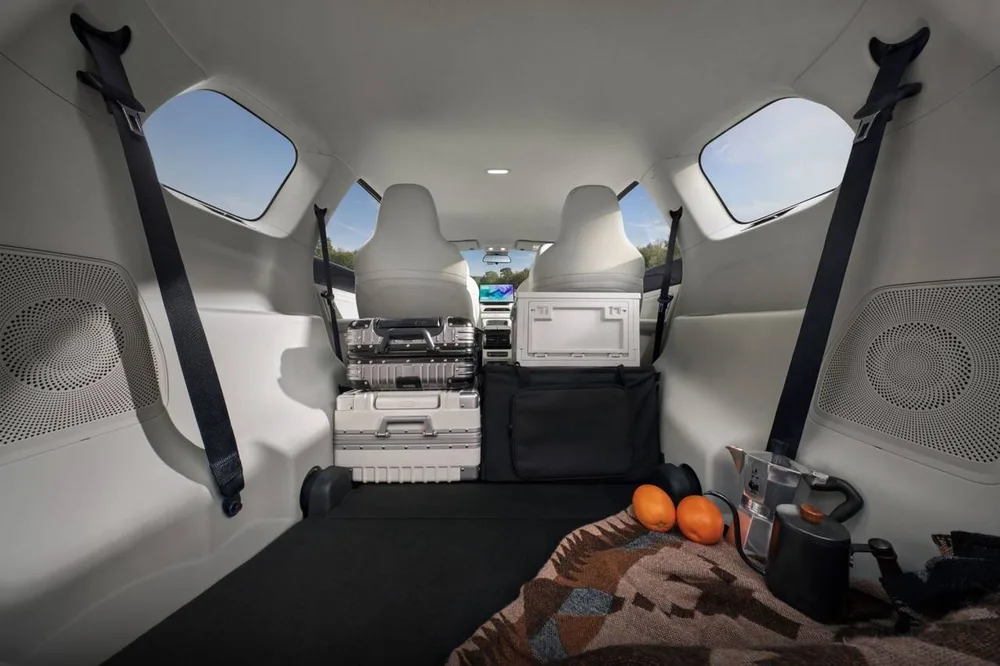
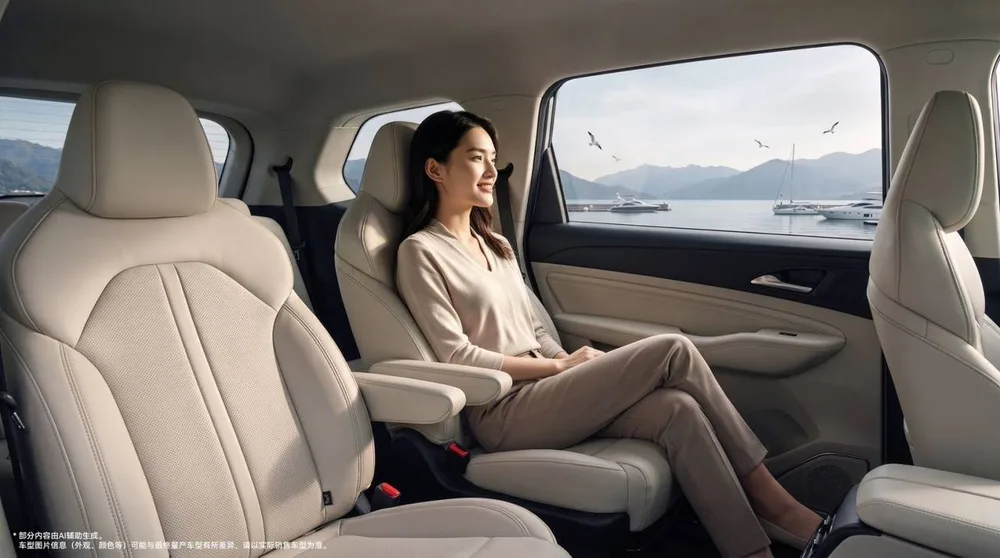
The car is a six-seater (2+2+2), though a seven-seat option exists. At 4.8 meters long, it's not a giant, so the third row is tight. To fix this, they've implemented a folding mechanism where the third-row seats sink into the floor. When folded, you get a flat 1.63 square meter area and 1630L of cargo space. It's a practical workaround for people who need a "big four-seater" most of the time but a "six-seater" for weekend trips.
Inside, the cockpit is powered by the Qualcomm Snapdragon 8295 chip and a 15.6-inch 2.5K screen. It integrates Baidu's voice AI and the Wenxin large model, which should make the voice interface feel much more natural than the robotic systems usually found in budget EVs.
The Big Picture
This is a classic symbiotic move. Dongfeng Forthing needs the "Huawei" brand label to stand out in a saturated EV market, and Huawei needs the volume. By stripping the LiDAR and the most compute-heavy urban features, they've created a viable product for the price-sensitive middle class.
If you're building a budget-friendly AI workflow for your life—or in this case, your commute—the Xinghai V6 proves that "intelligence" is becoming a commodity rather than a luxury. It's not "full-blood" ADS, but it's enough to change the driving experience for the average user.
All Replies (4)
Want a live back-and-forth? Join the global AI chat room — login to talk.
Tried a similar setup on a road trip and the lane keeping actually worked well.
Curious if the $15k price point means they stripped out the Lidar or swapped the chip.
Traffic jam pilot is a game changer for my commute. Is the $15k version actually reliable?
This price is wild. Does it actually handle highway merges smoothly or is it still twitchy?