Does the Ultra-Wide Form Factor Actually Improve Productivity?
The "ultra-wide" label is often dismissed as marketing fluff until you actually hold a device with a 161.4mm unfolded screen width. After three weeks of using the Galaxy Z Fold8 as a primary device, the central question isn't whether the engineering is impressive—it's whether this specific aspect ratio actually changes the way we interact with software.
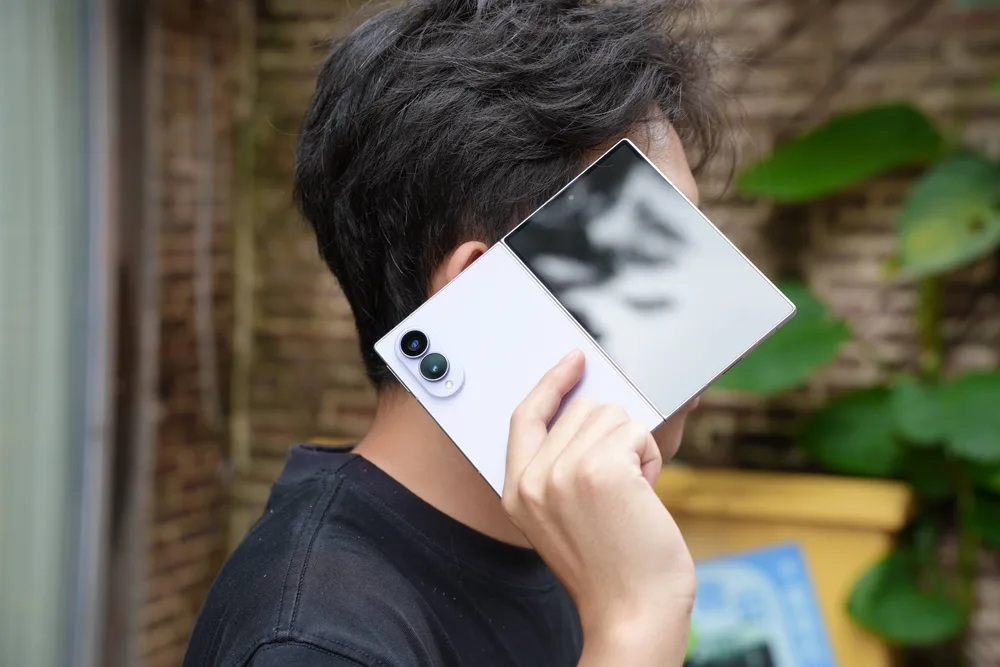
From a hardware perspective, the most surprising metric is the weight. Clocking in at 201g, the Fold8 manages to be both the widest foldable in the series and the lightest. It is a strange paradox; it feels physically larger in the hand, yet it actually edges out several traditional slab flagships in total mass. The angular chassis and restrained color palette prevent it from feeling like a budget tablet, maintaining a premium aesthetic that doesn't sacrifice structural rigidity.
However, the real test is the software utility. In a standard 4:3 or 3:2 ratio, multitasking usually feels like a compromise—you're either squinting at narrow columns or dealing with awkward cropping. With the increased width of the Fold8, the "Split View" experience finally feels natural. I spent a significant amount of time testing side-by-side productivity: a Slack channel on the left and a documentation page on the right. For the first time, I didn't feel the need to constantly toggle between apps because the horizontal real estate finally accommodates two full-width columns without triggering the "narrow" mobile layout of most websites.
That said, there is a tipping point where "more screen" becomes "more to reach." While the 161.4mm width is a boon for reading PDFs or spreadsheets, it introduces a distinct ergonomic challenge. One-handed use is effectively dead once the device is unfolded. Even with the latest gesture navigation, reaching the top-left corner of the screen requires a full grip shift, which slows down the pace of quick interactions.
For developers and power users, the value proposition here is the reduction in cognitive load. When you aren't fighting the screen size to see your code and your terminal simultaneously, you stay in the flow longer. But for the average user, the jump to an ultra-wide foldable might be a case of diminishing returns. We are reaching a point where the device is barely qualifying as a "phone" and is instead becoming a pocketable workstation.
If you are considering the jump, look closely at your most-used apps. If your workflow relies on side-by-side data comparison, the extra width is a game-changer. If you primarily consume vertical content like TikTok or X (Twitter), you're essentially paying a premium for empty white space on the sides of your feed. The Fold8 is a masterclass in weight reduction and display engineering, but its utility depends entirely on whether your digital life fits into a wider window.
Drafting emails on the cover screen is a game changer. How long did it take you to adapt?