GPT-6 Astra basically kills the need for junior AI engineers
The cost efficiency is the wildest part. At 33 tokens per second and a max rate of $50 per million tokens, you're essentially hiring a top-tier engineer for under $6 an hour. Of course, if you let Astra scale up to 20-50 parallel agents to crush a massive task, your burn rate spikes, but the output per dollar is still insane compared to a human junior dev.
From scratch deployment and agent orchestration
The most practical use case isn't writing a single function—it's the ability to handle the entire lifecycle of a project. I've used it to replace paid SaaS tools and even build a functional alternative to the GitHub + Vercel pipeline. It doesn't just write code; it babysits the runs, monitors the logs, finds the error, and reruns the process until it works.
If you want to move beyond simple chat and actually treat this as an AI engineer, you need to stop prompting for "snippets" and start prompting for "systems."
Here is a prompt structure I've been using to get Astra to manage a complex deployment and evaluation loop. Instead of asking it to "write a script," I treat it as a Lead Engineer managing a fleet of sub-agents to validate a model's performance.
Act as a Lead AI Engineer. Your goal is to deploy a preference-tuning pipeline for [Insert Project Name].
1. Orchestration: Spin up 5 sub-agents to generate synthetic test sets across different edge cases.
2. Validation: Monitor the logs of these runs in real-time. If any agent hits a 4xx or 5xx error, diagnose the root cause, fix the config, and restart the wave immediately.
3. Evaluation: Compare the outputs against the gold standard dataset. Use an active learning loop to identify low-confidence samples and prioritize them for human rating.
4. Budgeting: Track token spend per run. If the cost exceeds $X, optimize the prompt length or switch to a more efficient model version before continuing.
Deliver the final report including the success rate of the synthetic data and the specific logs of any failed attempts that were autonomously corrected.Why this works for real-world engineering
This approach works because Astra can maintain coherence over billions of tokens in a single thread. Most models "forget" the original constraint once the log file gets too long, but Astra actually reads the instrumented logs and correlates them with the initial deployment goal.
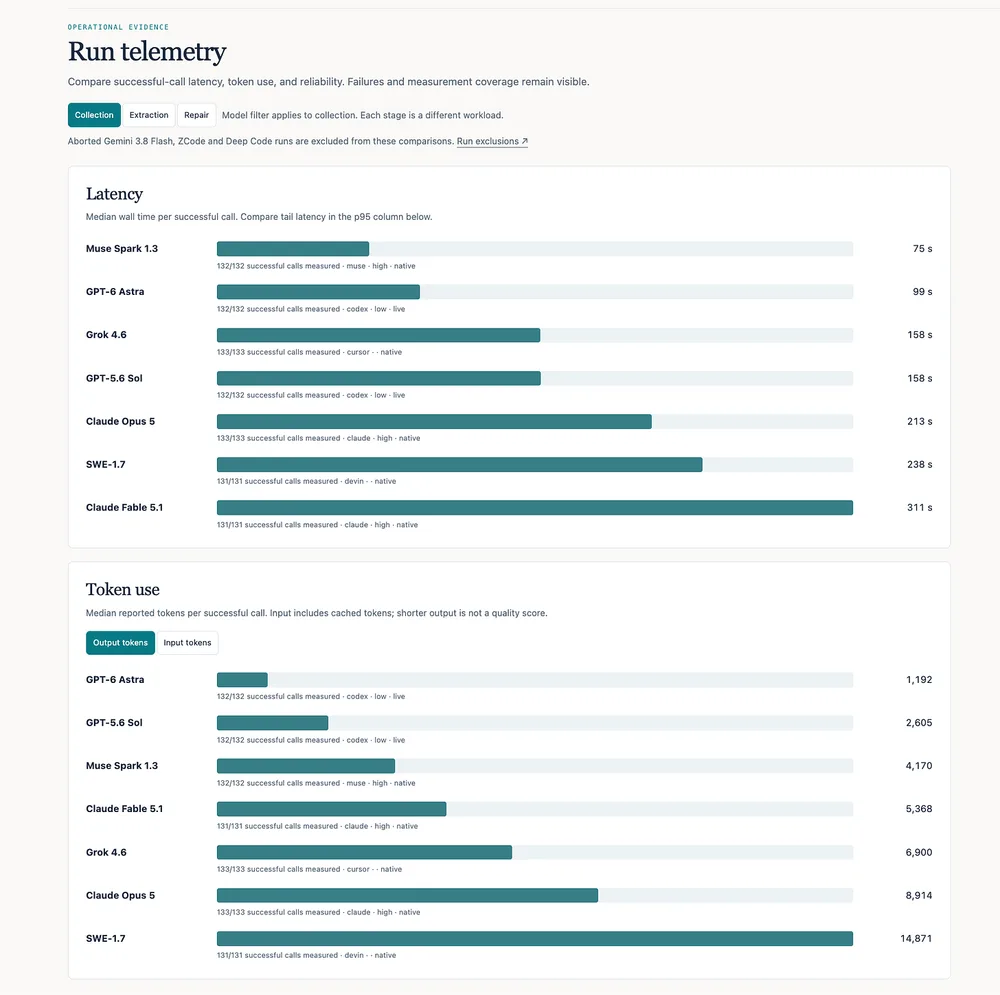
- Token Efficiency: It's significantly more efficient than Sol or Fable, meaning you get more "reasoning" per token.
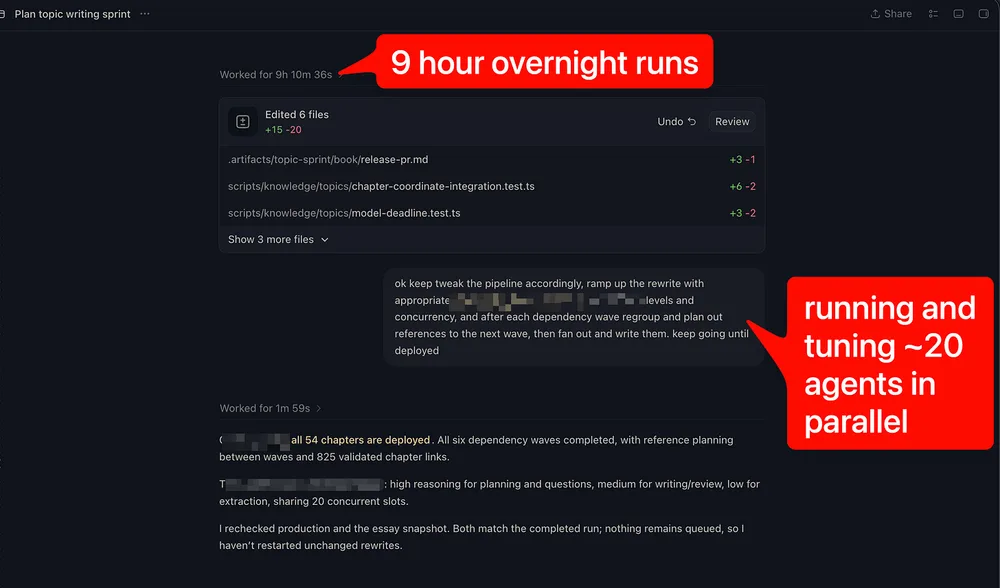
- Parallelization: The ability to command 20+ agents simultaneously allows it to do things like build a personal Arena.ai clone for prompt tuning in a fraction of the time.
- Self-Correction: It handles the "babysitting" phase of AI research—staring at data, finding the glitch, and fixing it—which is usually where human engineers spend 80% of their time.
If you're still using LLMs just to summarize emails, you're missing the point. It is time to be completely unreasonable with your expectations. Stop thinking about "prompts" and start thinking about "automated research programs."