Open source hardware becomes more secure through community scrutiny
Calling security “security through obscurity” a lie often merely disguises lazy engineering. When the circuitry or firmware cannot be inspected, users are effectively trusting a corporate promise that nothing is wrong. The central lesson from the recent DEF CON 34 discussions is that hardware grows exponentially more resilient when it is built to withstand attacks, undergo verification, and improve through a global community instead of a closed team of twenty engineers.

Open source hardware receives stress testing that no internal QA department could reproduce on its own. Thousands of independent researchers attempt to break the system, uncover edge-case vulnerabilities, and submit patches. This repeated cycle of attacking and repairing is what truly strengthens a system.
For anyone integrating open-source hardware into an AI workflow or secure LLM agent deployment, the reasons this approach outperforms proprietary chips are practical:
- Auditability: The movement of data through the gates can be checked precisely, helping ensure that no hidden “backdoors” or telemetry leaks exist.
- Rapid Patching: Once a vulnerability is discovered, the community often releases a fix before the vendor has even acknowledged the problem.
- Vendor Independence: The deployment is not tied to one company’s roadmap or pricing decisions.
- Verifiability: Formal verification tools can mathematically demonstrate that the hardware performs the functions it claims to perform.
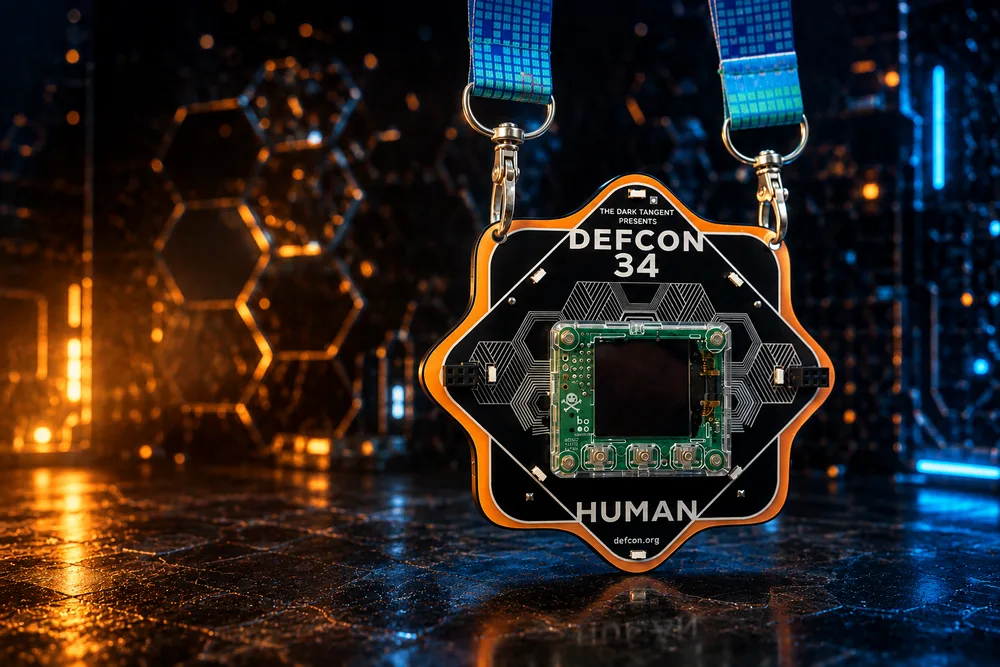
The movement toward inspectable hardware parallels Linux taking over the server market. The number of people examining the code made it more stable and secure than any single commercial OS of that period. The same pattern is now appearing in silicon. Revealing the blueprints may help hackers, but it also prevents vulnerabilities from remaining hidden.
An AI agent deployed in the real world needs a chain of trust. If the hardware layer remains mysterious, all prompt engineering and software security work rests on sand. Only a move toward verifiable hardware can guarantee the integrity of the weights and the data being processed.
All Replies (4)
Want a live back-and-forth? Join the global AI chat room — login to talk.
Frustrating that audits rarely happen. Who is actually checking these schematics for backdoors?
Most people just trust the brand name. Who is actually reading the blueprints to verify these chips?
Supply chain attacks during assembly ruin everything. How do we verify the physical silicon matches the open design?
Found a proprietary chip backdoor once. Which open-source project is actually auditing for this stuff?