Open Source: From Simple Packages to Rendering Engines
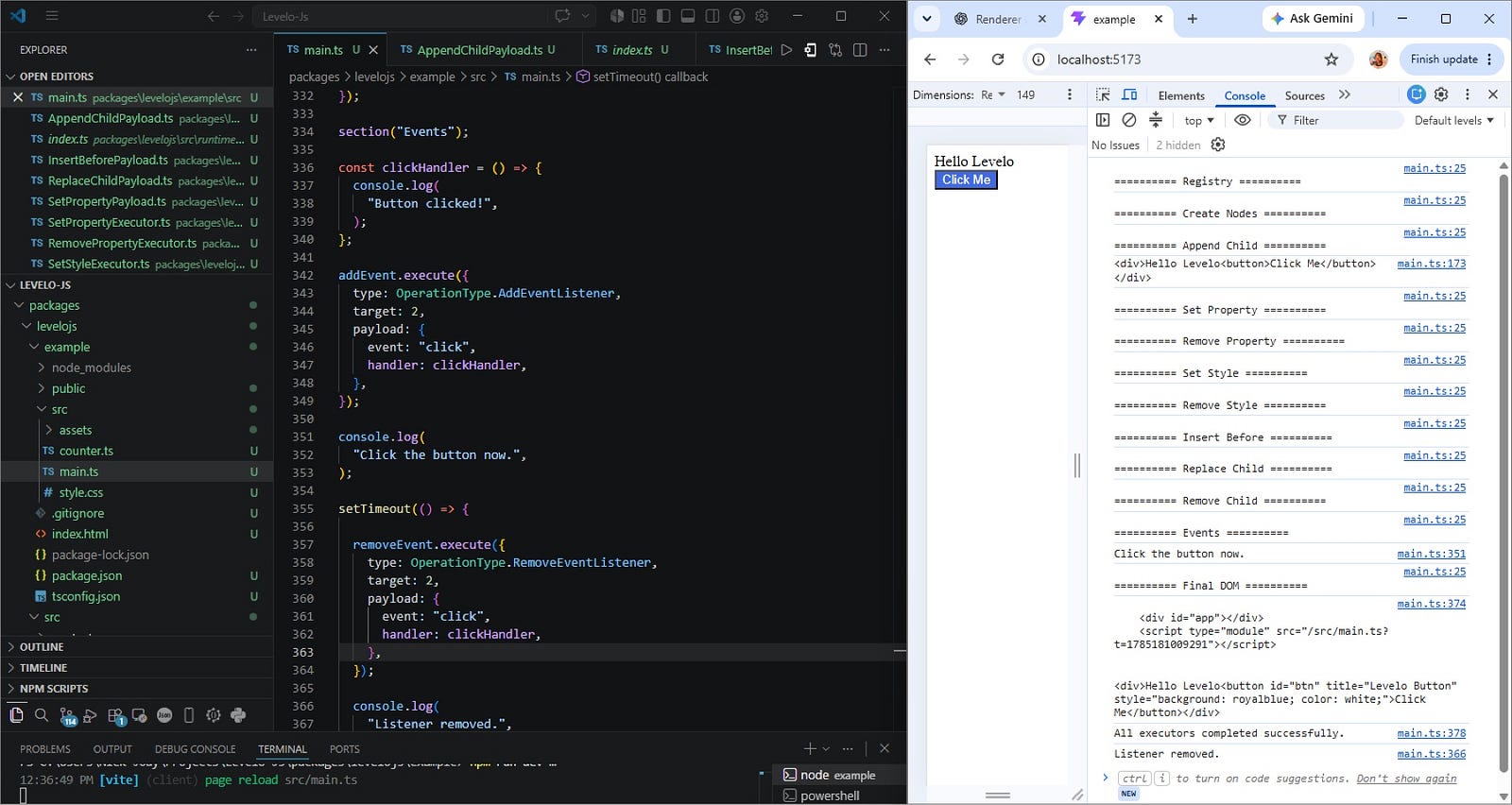
The jump from "package builder" to "engine designer" isn't about a sudden spike in IQ; it's about the exposure to high-stakes codebases. When you build your own small tools, you write for yourself. When you contribute to a major project, you write for thousands of strangers who will tear your PR apart if your logic is flawed. That friction is what actually teaches you software architecture.
For anyone looking for a practical tutorial on how to actually scale their skills this way, here is the trajectory I've observed:
1. The Entry Point: Start with "low-hanging fruit." This isn't just documentation; it's small feature additions or bug fixes in libraries you already use.
2. The Logic Shift: Move from adding features to optimizing performance. This is where you stop thinking about "does it work" and start thinking about "how does the memory handle this."
3. The Core Dive: Start reading the source code of the dependencies your project relies on. If you're building a UI tool, stop using the rendering library as a black box and actually look at how it handles the draw loop.
4. The Architectural Phase: Attempt to rebuild a simplified version of a complex system from scratch. This is where the "rendering engine" level of thinking happens.
If you want to try this AI workflow for learning, I suggest using an LLM agent to explain specific chunks of a complex open-source repo. Instead of asking "what does this project do," feed it a specific function and ask "why was this implemented this way instead of [alternative approach]?" It turns the codebase into a live mentorship session.
Is it worth the effort? Probably. Most developers plateau because they only build things they already know how to build. Open source is the only place where you're consistently confronted with code that is better (and more complex) than yours. It's a brutal way to learn, but it's the only way to move from being a "user" of frameworks to someone who can actually design them.
For those interested in the full narrative of this specific transition, you can find the original detailed breakdown here:
https://bouncinandbehavin.com/posts/how-open-source-took-me-from-building-five-packages-to-designing-a-rendering-engine/