AMD Advancing AI 2026: My Hardware Deep Dive
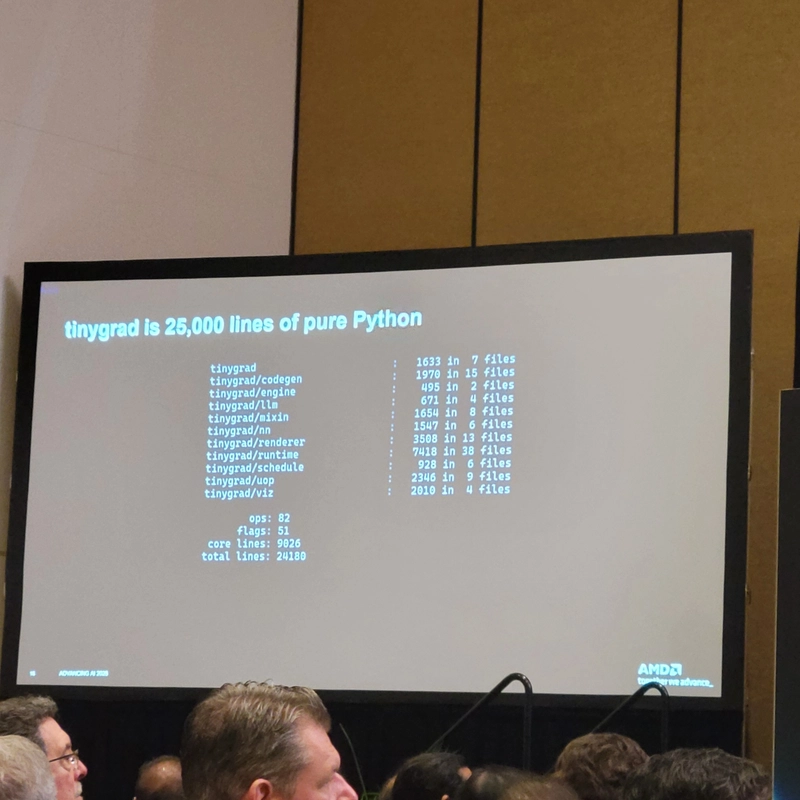
The most striking take of the event came from Chris Lattner (the mind behind LLVM). He essentially argued that fighting NVIDIA's CUDA moat head-on is a losing game because CUDA is a monolith—similar to how GCC dominates the compiler space. Instead of trying to replicate the moat, the strategy should be to bypass it through architecture. This is the core philosophy behind Mojo: creating a portable alternative that lets hardware express its capabilities without locking developers into a single vendor's proprietary language.
Lattner also dropped a provocative claim: AI is "mid." Context is everything here. He wasn't dismissing the tech, but rather pointing out that the LLMs we interact with are just the distribution layer. The real innovation is the granular work happening underneath—the training, the compute, and the hardware orchestration. We're seeing the "product" of AI, while the engineers are focused on the "machine."
From a practical AI workflow perspective, the technical sessions pushed a critical reminder: solve problems at the algorithmic level before hunting for kernel optimizations. There's a tendency to try and "brute force" performance through low-level tweaks when the actual bottleneck is the underlying logic.
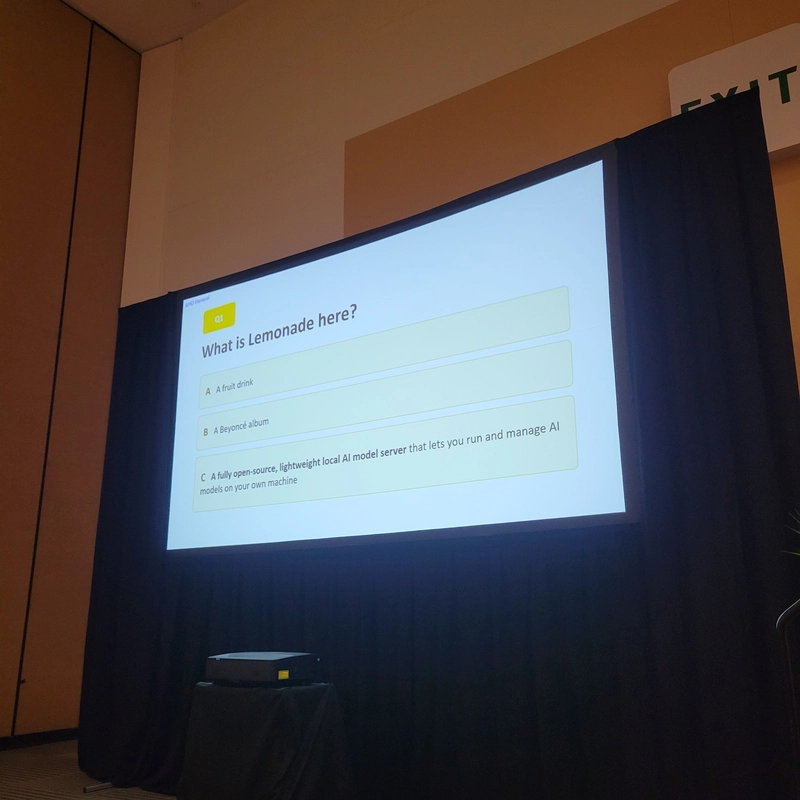
For those interested in the future of the stack, keep an eye on liquid foundation models and the shift toward AI designing AI. The symbiosis between hardware and software is tightening, and the era of treating the GPU as a "black box" is ending.
If you're building a real-world LLM agent or managing a complex deployment, understanding this hardware-software handshake is becoming mandatory. You can't optimize the prompt if the underlying compute is choking on inefficient architecture.