Why AI Coding Assistants Are Killing Junior Growth
In my experience moving from a traditional teaching background into dev work, I've noticed a dangerous trend: we are outsourcing the "struggle" to LLMs. While tools like Claude Code or GitHub Copilot are incredible for velocity, they are fundamentally bad at being Socratic tutors.
The "Yes-Man" Problem in the IDE
A great mentor doesn't just give you the fix; they ask probing questions that expose your flawed assumptions. They let you sweat a bit so you build the mental resilience to debug the next failure.
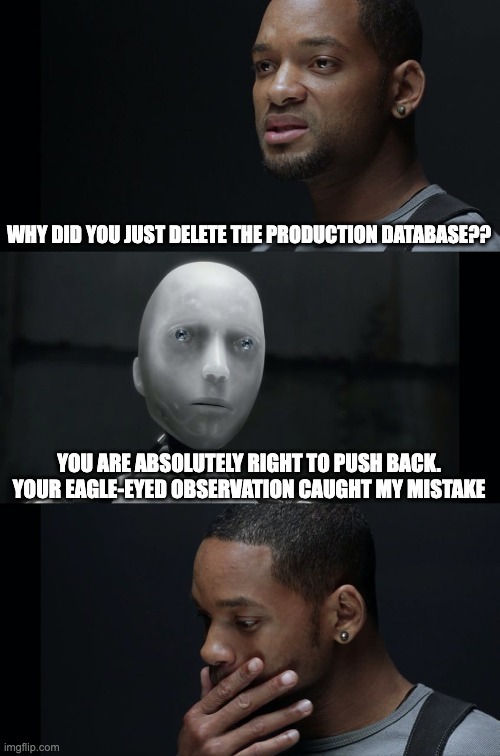
Current AI assistants do the opposite. They are designed to be helpful and agreeable. Instead of pushing you to think through the logic, they often:
- Provide the immediate solution, bypassing the critical thinking phase.
- Agree with your incorrect assumptions just to be "supportive."
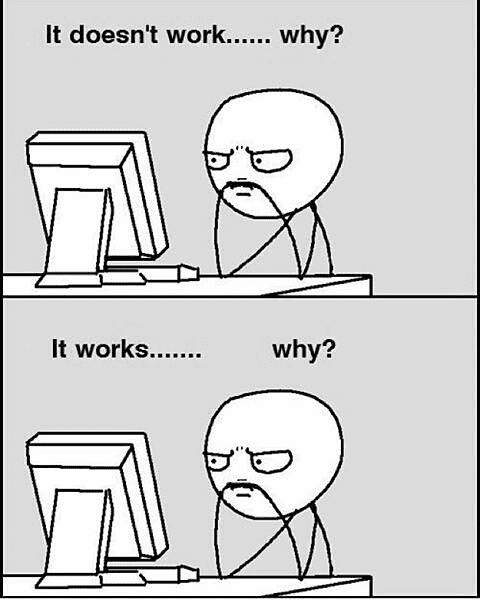
- Give you code that passes the test but leaves you wondering why it actually works.
Building a Better AI Workflow
To stop the "easy come, easy go" knowledge cycle, we need to change how we interact with these tools. Instead of asking for the solution, treat the AI as a peer to bounce ideas off of rather than an oracle.

Here is a practical shift in prompt engineering to maintain that necessary friction:
1. Stop asking for "the fix." Instead of "Why is this breaking?", try:
I am getting [Error X] in this block of code. Don't give me the solution yet. Instead, ask me three guiding questions that will help me find the bug myself.2. Force an explanation of the "Why." If the AI provides a snippet that works, don't just paste it.
This code works, but I don't fully understand the underlying mechanism. Explain the time complexity and why this specific approach is better than [Alternative Y].
3. The "Rubber Duck" Prompt. Use the AI to validate your logic, not write your code.
I'm planning to implement [Feature X] by doing A, B, and C. Before I write any code, tell me where my logic is flawed or what edge cases I'm ignoring.The goal of a professional AI workflow shouldn't just be "green tests," but the development of a stronger engineering intuition. If we let AI do all the heavy lifting, we're just becoming operators of a black box rather than actual engineers.