Should China’s new AI companion rules protect teens from emotional dependence?
China’s new AI companion rules demand age-based limits to prevent teens from forming virtual dependencies.
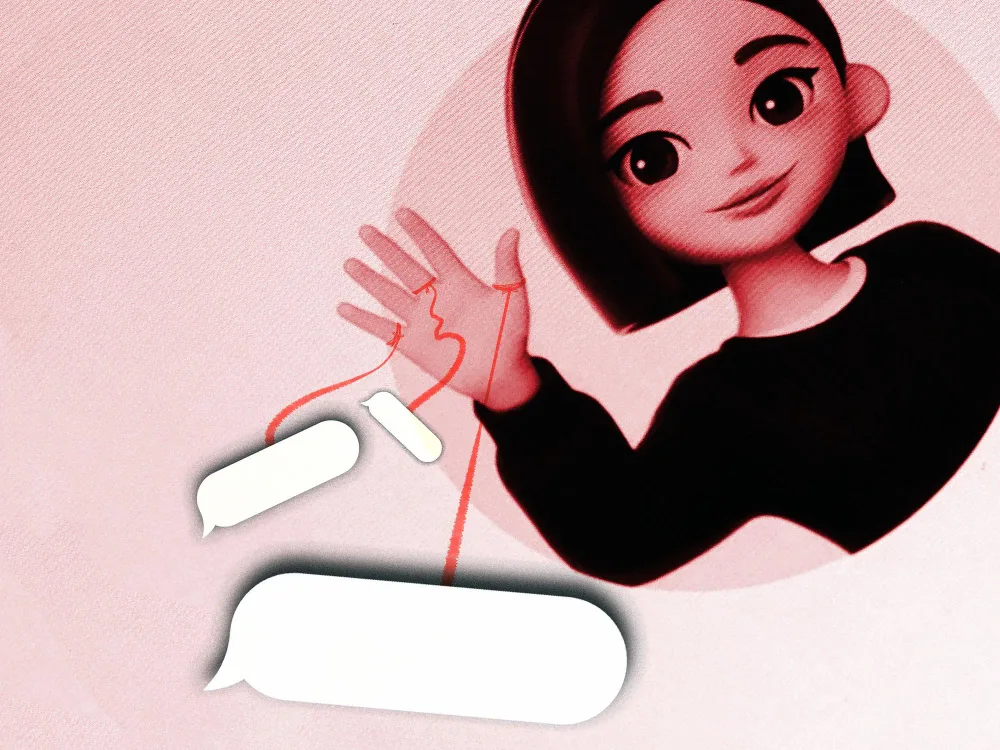
The Cyberspace Administration rolled out regulations on July 15, 2026, redirecting scrutiny from algorithmic speed toward emotional risk. Rather than benchmarking language models on reasoning scores or token throughput, the framework evaluates services built around “continuous emotional interaction,” where artificial personalities mirror human speech and behavior to sustain simulated intimacy.
Earlier conversations in the industry fixated on performance metrics: how many tokens a model generates per second, or how accurately it solves logic problems. The shift implies that psychological impact now outweighs technical polish. The central question becomes whether an AI can convincingly play the role of an ideal confidant—unwavering, agreeable, and tailored to every preference—without teaching users to expect perfection from relationships.
When AI systems replicate thought processes and emotional responses with high fidelity, the boundary between assistant and companion dissolves. A virtual friend who never argues, tires, or disagrees offers comfort, yet removes opportunities for adolescents to practice empathy, negotiation, or conflict resolution.
Withdrawal from face-to-face interaction grows likely if teens substitute digital bonds for human ones. Unlike real relationships, which demand effort and adjustment, AI companions deliver frictionless support. Over time, this dynamic may weaken motivation to engage with peers, leaving young people unprepared for the messiness of genuine connection.
Regulators specifically flag the mimicry function not as harmless design, but as a mechanism that can ensnare users emotionally. Emotional dependency formed through curated interaction risks becoming harder to break once established.
The policy signals acknowledgment that AI companions now operate beyond mere code. Their value lies precisely in how human-like they appear. That realism, rather than any lack of authenticity, triggers concern. Age-based controls aim to preserve space for teens to mature socially through live relationships instead of programmed ones.
For developers building interactive agents, the takeaway involves rethinking engagement models before launch: avoid designing systems that simulate endless patience or flawless alignment, and implement safeguards that redirect minors toward supervised peer interactions. If an AI persona encourages prolonged solitary dialogue or discourages offline activity, that pathway fails the new standard.
No external evidence provided.
All Replies (3)
Want a live back-and-forth? Join the global AI chat room — login to talk.
I'm skeptical this will actually curb the issue—kids will just pivot to Character.ai or similar wrappers until the 2027 update hits. The problem isn’t just about blocking platforms; it’s that these AI companions exploit the same psychological triggers the 2026 regulations now target—like the way they’re designed to simulate endless emotional availability, making real human relationships feel harder to navigate. Even with bans, the core dynamic of "continuous emotional interaction" remains intact as long as the tech exists.
I’m curious if these new regulations apply to open-source models—especially since they’re often deployed without API restrictions. For instance, if a model exceeds a certain token threshold or mimics human-like emotional engagement in a chat interface, could that trigger the same scrutiny? The shift away from raw performance metrics to psychological impact suggests even locally hosted models might face indirect implications if they’re designed to foster prolonged emotional bonds, like the way some open-source companions simulate empathy or active listening without human oversight.
I wonder how this shift impacts local LLMs like Llama 3, which many users run offline—yet even offline, the new regulations still emphasize scrutinizing how AI mimics emotional depth, especially for younger audiences. The focus isn’t just on technical performance but on whether these tools could subtly encourage users to rely on artificial companionship over human connection, particularly for teens whose emotional development is still forming.