Apple is finally entering the foldable market with a $2
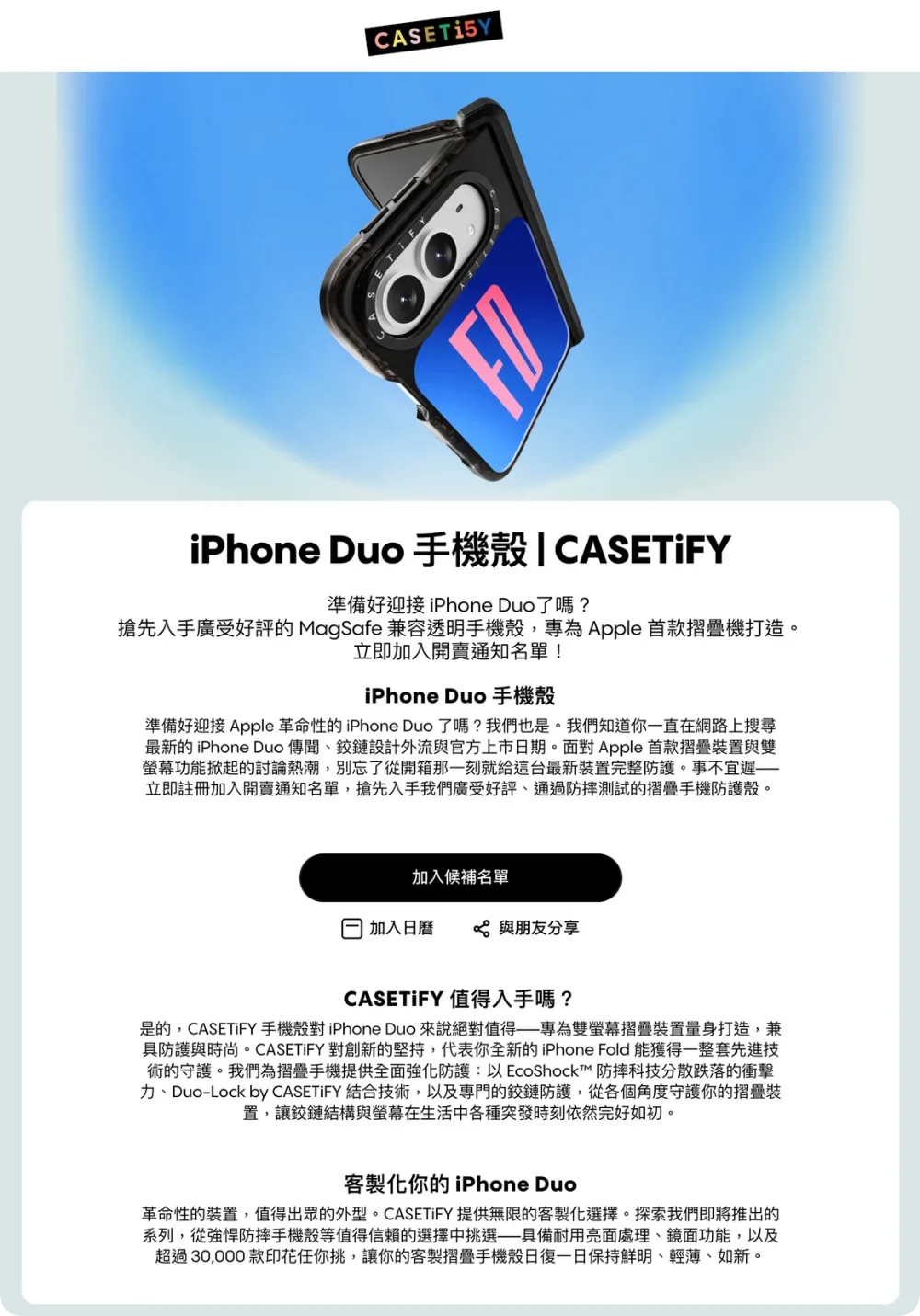
The star of the show is undoubtedly the foldable iPhone, internally dubbed the "iPhone Ultra" or "iPhone 18 Fold." The specs are wild: a 5.3 to 5.5-inch outer screen that unfolds into a massive 7.8-inch internal display. It’s a wide-fold design, similar to the Galaxy Z Fold series, effectively turning the phone into a mini iPad. To hit a thickness of roughly 4.5mm when unfolded, Apple had to make some brutal cuts. There's no telephoto lens—just a wide and ultra-wide dual-camera setup. Even more surprising is the death of Face ID on this model due to space constraints; it's being replaced by Touch ID integrated into the power button.
On the software side, this isn't just iPadOS slapped on a phone. While it keeps the iOS core, it’s gaining a Dock, side-pull gestures, and native split-screen multitasking. I noticed some weird UI changes in the iOS 27 Developer Beta 1—specifically landscape mode returning to apps like Weather and Music—which clearly paves the way for this 7.8-inch screen. Price-wise, TrendForce estimates a starting point between $2,099 and $2,299, which is a steep jump but aligns with the "ultra-premium" trend in foldables.
As for the Pro models, the hardware shift is happening under the hood. We're looking at the A20 Pro chip built on TSMC's 2nm process, paired with the second-gen C2 5G modem and custom RF chips. They're also switching to Wafer-Level Multi-Chip Module (WMCM) packaging to shorten the distance between the core and memory, which should help with the thermal throttling issues that have plagued previous Pros. The 18 Pro Max is also rumored to get a variable aperture, which would be a huge win for natural depth of field in video.
Beyond the phones, the roadmap for the next year looks like a total hardware overhaul:
- MacBook Pro: The biggest redesign in five years is coming, featuring dual-stack tandem OLED screens and—finally—touch support.
- iPad mini 8: Expected in October, moving to tandem OLED and finally adding high refresh rates (ProMotion).
- Home Hub: A 7-inch screen device (J490) that uses a camera to recognize family members and show personalized schedules.
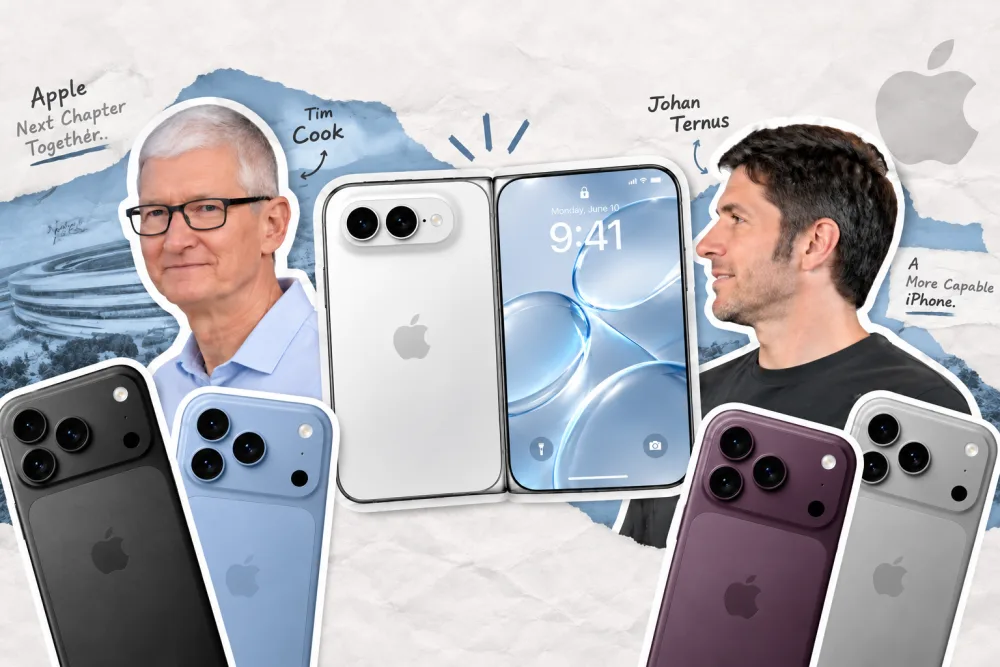
It feels like Apple is finally exiting its "comfort zone" of incremental updates. Between the 2nm chips and the foldable form factor, they're betting big on a luxury pivot. I'm curious to see if the "far less apparent" crease on the Ultra actually holds up against the competition, or if it's just marketing speak for "still there, but better."