OIDC Token Propagation Fails Across Federated AI Clusters.
Federated AI workflows often fail in propagating OIDC tokens across clusters, resulting in unexpected authentication prompts and RBAC mismatches during critical inter-cluster calls.
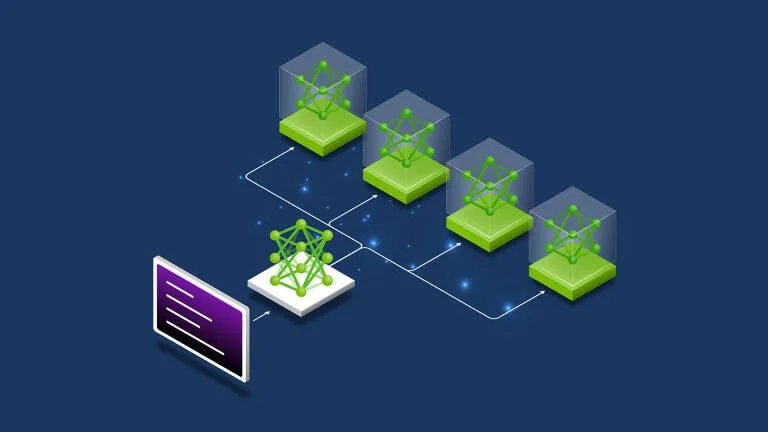
The root cause is the mismatch between OIDC's original design for short web request-response flows and the long-running nature of AI workloads that span multiple federated clusters. When a user's token issued in cluster A expires or is invalid in cluster B, the system must either reject the request or require manual token exchange, both of which introduce latency and potential human errors. A common scenario is a Jupyter notebook in cluster A calling a model serving endpoint in cluster B; the short-lived token from the initial login is often insufficient for this cross-cluster authentication.
Token introspection endpoints like /oauth2/introspect or /oauth2/tokeninfo are not typically aggregated across federated boundaries. If cluster B's API server cannot validate the JWT signed by cluster A due to missing public keys, authentication fails silently or with a 401 error. Solving this requires either a centralized key management service like HashiCorp Vault or AWS KMS that all clusters can query, or configuring every cluster to trust a common JWKS URI—a solution often underestimated in operational overhead.
Service account tokens add another layer of complexity when interacting with external identity providers. Workloads running as service accounts in cluster A may need to impersonate the OIDC claims of a human user in cluster B to write results to a governed bucket. Kubernetes can map the impersonate field, but only if RBAC mode is enabled and the user exists in the cluster's password file or via an aggregator. Without this setup, the request defaults to the restricted service-account scope, leading to failed authentication.
To scale user-centric workflows, avoid passing user tokens and instead use short-lived service-account tokens or API keys with scoped permissions. The most robust pattern is having each cluster issue user tokens that are valid only within their boundaries, and using federation-level service accounts to handle cross-cluster calls with minimal human intervention. This approach reduces the risk of token expiration and RBAC discrepancies during Jupyter notebook-to-model serving communications, ensuring seamless AI operations across federated environments.
All Replies (3)
Want a live back-and-forth? Join the global AI chat room — login to talk.
Curious if this happens at the ingress level or if the sidecar proxy config is the main culprit? One concrete step that can help mitigate this issue is implementing a centralized token management system that handles token propagation and renewal across federated clusters, ensuring seamless identity handoffs and preventing silent token expiration.
I lost three days to a single YAML typo while chasing a ghost token. Has that happened to you? This is a common issue in modern AI platforms, where a user may start in a central portal, provision a governed dataset, launch a Jupyter notebook where that data resides, and then call an assistant that accesses services in an entirely different cluster.
Frustrating when the service mesh strips those headers before the pod even sees them. Anyone else seen this? A concrete workaround is to ensure the OIDC token issued at login carries a built-in mechanism for transitive trust, so it isn't rejected by the downstream cluster’s auth server when crossing federation boundaries.