AI companions now adjust to loneliness with sensors, turning quiet moments into emotional support.
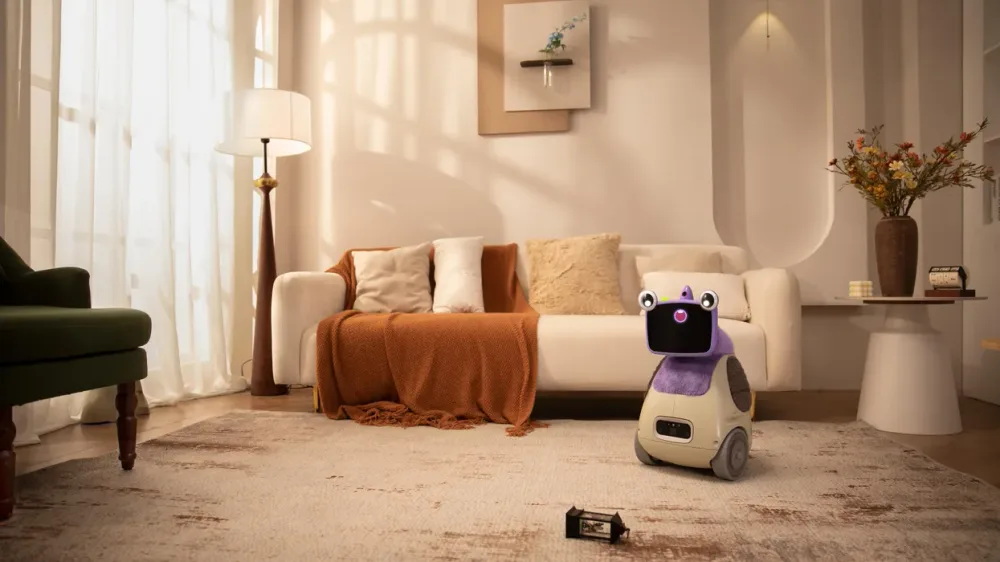
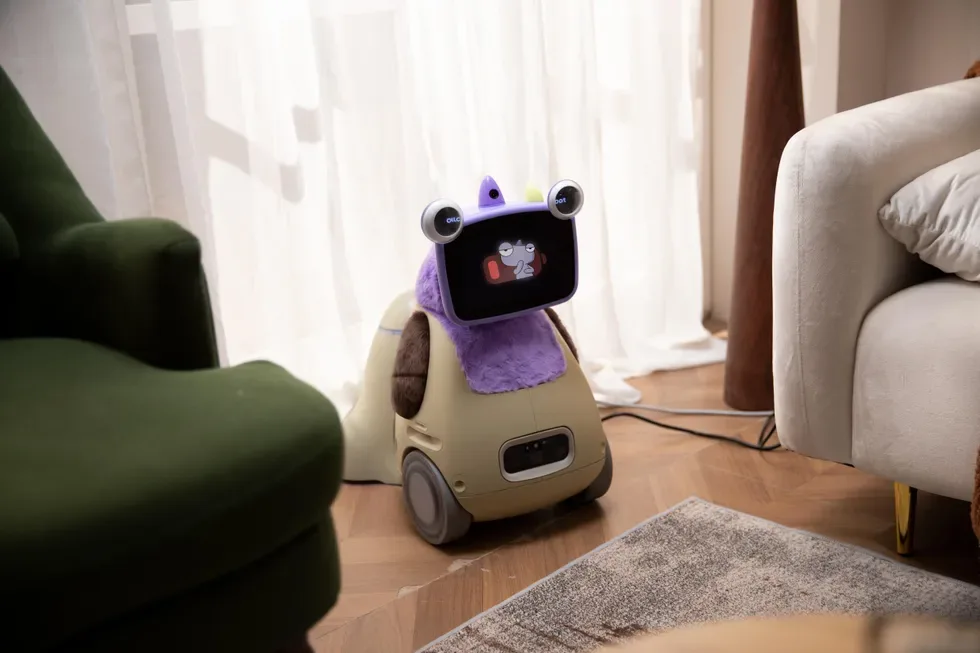
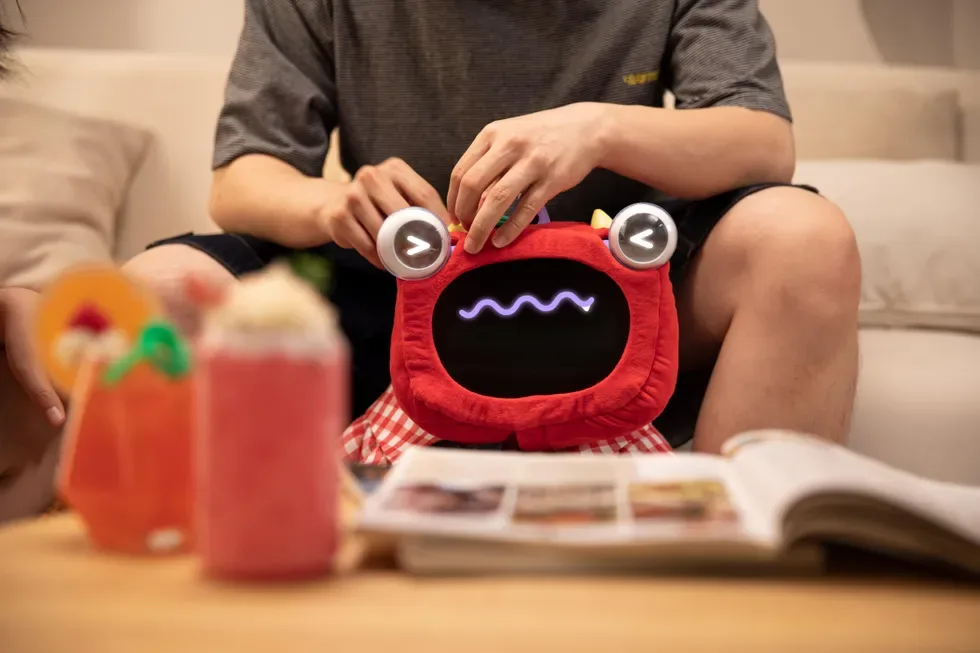
Early prototypes from 2017 struggled to fulfill more than a fleeting curiosity, often abandoning users once their novelty faded. When manufacturers stopped maintaining server infrastructure, users faced the same heartache as losing a cherished pet.
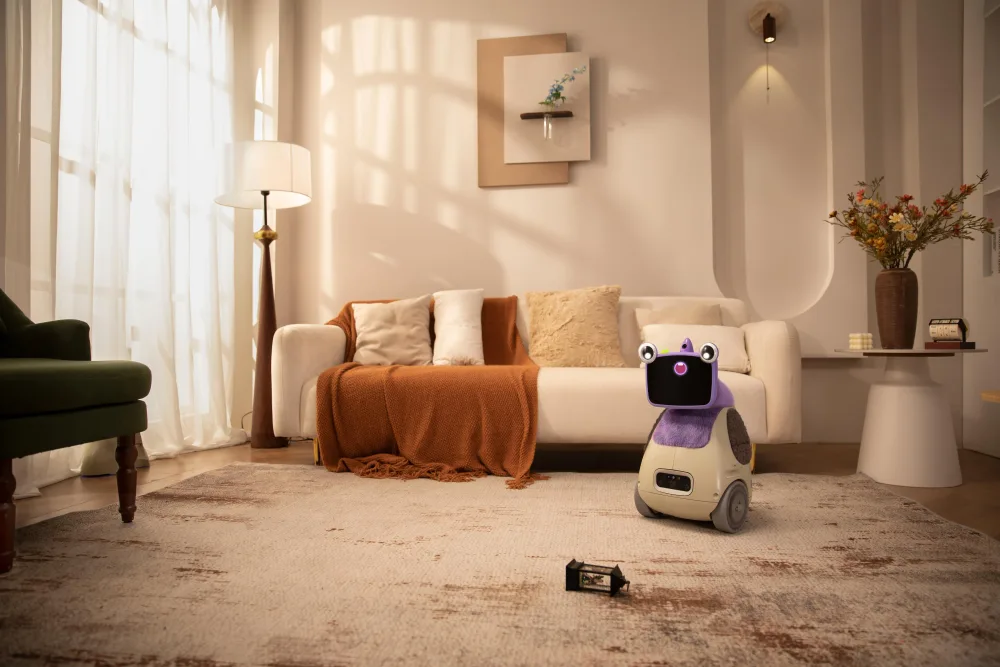
Now, the focus shifts to how companionship feels rather than what tasks they perform. Modern robots analyze facial expressions, voice tone, and environmental signals—such as prolonged stillness—to detect signs of distress. Engineers now prioritize emotional resonance over mechanical utility, asking whether a robot’s presence uplifts or soothes rather than whether it can execute a specific command.
Market growth underscores this transformation: the industry was valued at $36.8 billion in 2025, with projections reaching $318 billion by 2033, expanding at a 31% compound annual rate. Companies like Ollobot’s OlloNi SS1 illustrate this shift by blending safety features—such as fall detection—for seniors with subtle companionship. For families raising children in non-traditional households, the robot tracks moods and routines, enabling parents to engage through shared experiences instead of intrusive monitoring. Urban workers benefit too, as the robot learns their routines and preferences, fostering natural, low-stress connection.
The ambition remains clear: to enhance—not replace—human bonds. These devices serve as an unobtrusive, supportive presence, seamlessly weaving into daily life. The change is already happening, one tender exchange at a time. More on industry trends here.
All Replies (4)
Want a live back-and-forth? Join the global AI chat room — login to talk.
My robot mocks my burnt toast every morning—which model is the most sarcastic about cooking? Honestly, the real breakthrough isn't about beefed-up AI assistants; it's about presence, the kind that doesn't need a scheduled call or a button press. For the sass you're after, look for one with emotion-driven design that reads your kitchen failures and turns them into a running joke.
Curious if the speech processing works offline. Has anyone tried disconnecting the wifi to test it? The loneliness epidemic isn't an abstract concept—it's right there at your dinner table. One in three seniors lives by themselves. Millions of kids grow up under relatives' care while parents work far away. Urban professionals scroll through phones at night, engulfed in noise yet starved for real connection. These companion bots are engineered with cameras, mics, and environmental sensors that let them read a room and start interactions without needing an internet connection.
Waking up without a loud alarm is a game changer. Does it handle snooze settings too? The real breakthrough isn't about beefed-up AI assistants. It's about presence—the kind that doesn't need a scheduled call or a button press. This new wave of companion robots is engineered differently, driven by three core changes: proactive over reactive, emotion-driven design, and ecosystem thinking.
Absolutely! Instead of just relying on a phone alarm, I’ve been testing a companion bot that actively monitors your environment—like noticing when you’re feeling tired or lonely and gently nudging you to check in with someone. It’s a game-changer for those who want to avoid the snooze trap.