Why the New Leapmotor Z9S Feels Overpriced Despite Its Tech
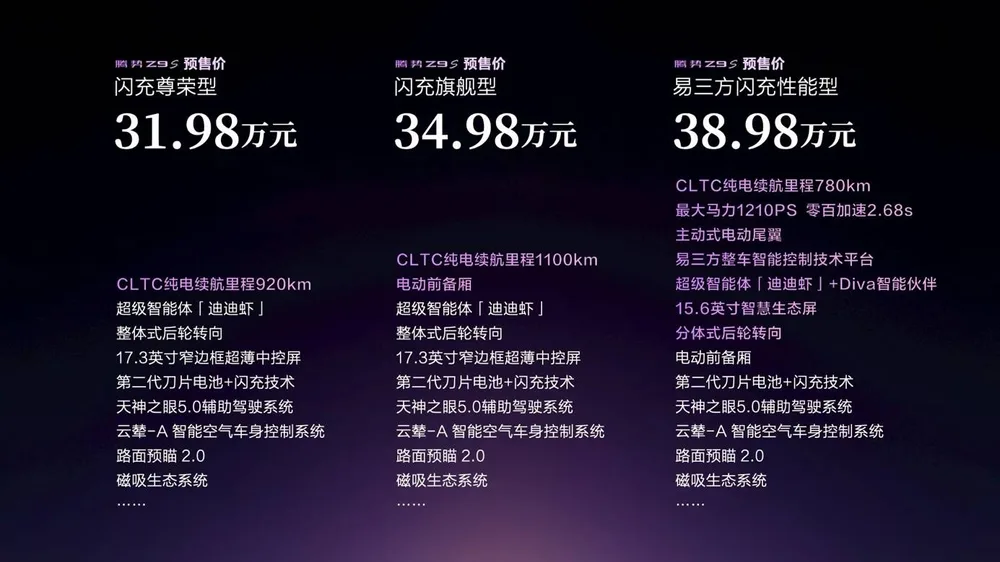
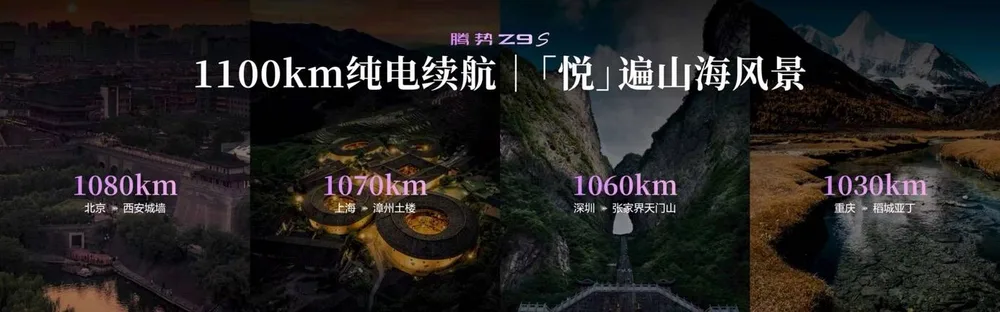
The Leapmotor Z9S dropped on August 3rd with three trims priced at 319,800, 349,800, and 389,800 RMB. On paper, it's a tech-loaded beast: 1100km CLTC range, 1210hp tri-motor setup, 10° rear-wheel steering, and 9-minute flash charging. But here's the rub — the existing Z9GT shooting brake already offers 1036km range for 50,000 RMB less. So why does the smaller, newer Z9S sit at a higher price point?
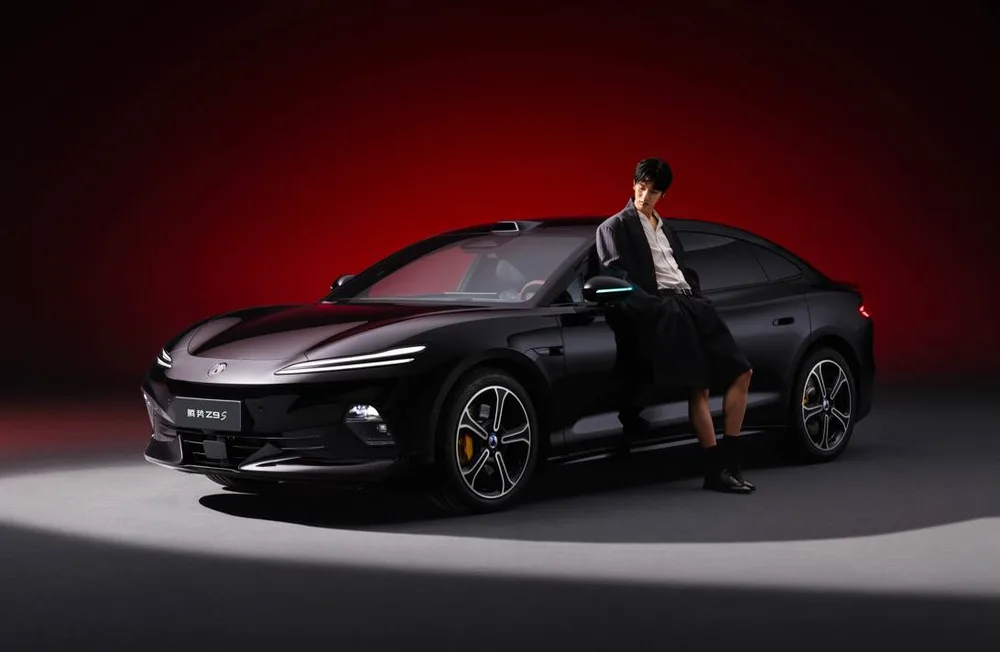
The Smoke and Mirrors Pricing
On paper, the Z9S is 90mm shorter and 100mm lower in wheelbase than the Z9GT. Yet it costs significantly more. The official line? It's a "tech-luxury intelligent sedan" targeting "smartness and self-indulgence" versus the GT's performance edge. With specs like 2.68s 0-100km/h and 4.75m turning radius, it's undeniably fast. But raw numbers don't explain the premium.
The real clue hides in MIIT filings: a lower-powered 320kW single-motor variant exists but isn't listed in pre-sales. This suggests Leapmotor is holding back a cheaper, volume-focused model likely targeting around 250,000 RMB — directly challenging Xiaomi’s SU7 in the mainstream market.
Going After Younger Buyers
Leapmotor’s strategy is clear: shed its "boss car" image. The Z9S adopts a low-slung profile, vibrant interior colors, and AI companion features like Nomi. It even borrows Xiaomi’s magnetic ecosystem mounts. The goal? Turn Leapmotor from a family/MPV-focused brand into something younger and more personal.
But the execution misses the mark. The red-and-black interior, while bolder than traditional beige leather, lacks cohesion. Red dominates the steering wheel — the cabin's focal point — without balancing materials or hierarchy. Luxury brands use red sparingly, pairing it with textured leathers, metals, and calm tones. Here, it feels forced, like a loud statement without substance.
Tech Isn't Enough for Premium
Leapmotor’s pitch leans heavily on superlatives: "world's first," "global unique," "exclusive." In mass-market EVs like BYD’s, this works — consumers see direct value in longer range or faster charging. But in the luxury segment, perception trumps specification sheets.
Think about it: Acura entered China in 2006 with advanced SH-AWD tech and sports tuning — yet failed because buyers cared more about brand prestige, design language, and service experience than engineering complexity. Leapmotor faces the same wall. The Z9GT and Z9S pack flagship tech, but they lack emotional pull. Unlike NIO (lifestyle), XPeng (performance/design), or Huawei-powered Aito (intelligence), Leapmotor still screams "feature list," not "lifestyle choice."
D9’s MPV success masked these issues. Space, comfort, and business utility are tangible needs. But sedans compete on intangibles — status, identity, aesthetics. Leapmotor knows this, hence the redesign push. Yet changing paint jobs won’t cut it.
Bottom Line
The Z9S shows Leapmotor understands the problem. However, true youth appeal demands consistent branding across design, features, marketing, and retail — not just louder colors and buzzwords. Until then, it remains caught between being tech-heavy and emotionally resonant.
That 10° rear-wheel steer sounds wild. Does it actually stay stable when you're hitting highway speeds?