Why Data Curation is the New Compute Scaling Law
For the last three years, the AI industry has been obsessed with "compute scaling." The prevailing wisdom was simple: throw more H100s at a larger dataset, increase the parameter count, and the model will magically emerge with higher intelligence. But as we hit the ceiling of available high-quality public web scrapes, the conversation is shifting. Andrew Ho, a former OpenAI researcher, is arguing that the next $100 billion in AI investment shouldn't go toward more GPUs, but toward the aggressive, targeted collection of high-fidelity training data.
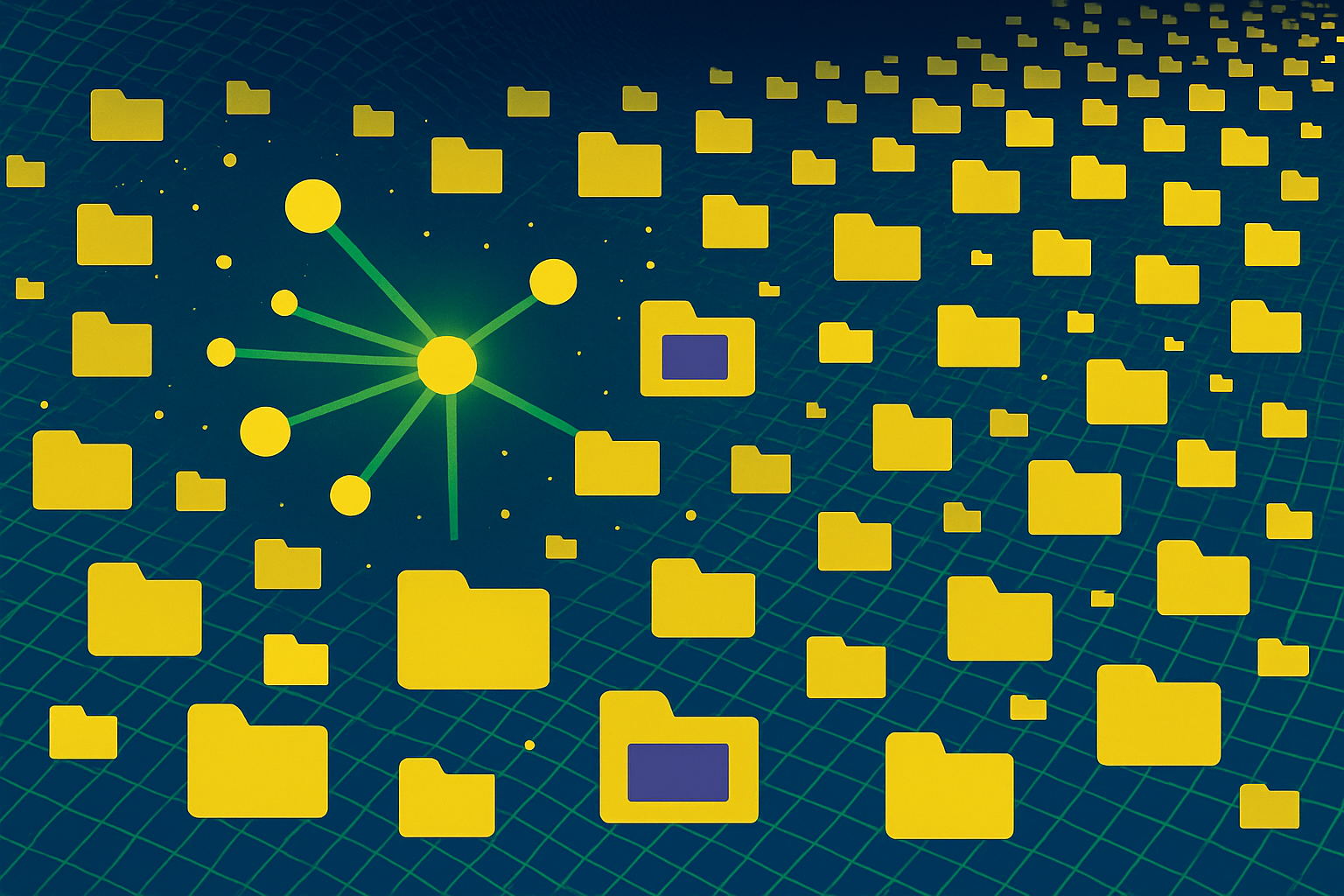
The core of the issue is "data exhaustion." We are rapidly approaching the point where LLMs have read every meaningful token on the public internet. While synthetic data is the current trend to bridge this gap, synthetic data often leads to "model collapse"—a feedback loop where the AI begins to mimic its own errors, leading to a degradation in linguistic diversity and factual accuracy. To avoid this, the industry needs a massive infusion of proprietary, high-reasoning data that isn't currently indexed by Common Crawl.
If we look at the transition from GPT-3 to GPT-4, the jump in performance wasn't just about the sheer volume of data, but the quality of the tokens. This is why we are seeing a pivot toward "small language models" (SLMs) that outperform giants by using curated, textbook-quality datasets. When you optimize for data quality, you can actually reduce the compute overhead. For instance, training a model on 1 trillion high-quality tokens often yields better reasoning capabilities than training on 10 trillion "noisy" tokens.
From an engineering perspective, this shift changes how we build pipelines. We are moving away from simple scraping scripts toward complex curation frameworks. Instead of running a massive wget on a domain, we are seeing the rise of sophisticated filtering layers—essentially using smaller, specialized models to score and prune data before it ever touches the training cluster.
The financial implications are staggering. A $100 billion bet on data collection implies a move toward paying for "human-in-the-loop" expertise at scale. We aren't talking about basic labeling tasks anymore; we are talking about hiring PhDs to write complex chain-of-thought reasoning paths to teach models how to solve multi-step calculus or architectural problems.
If the "Compute Era" was defined by NVIDIA's dominance in the hardware layer, the "Data Era" will be defined by who owns the most exclusive, high-reasoning datasets. The bottleneck is no longer how many clusters you can spin up, but whether you have the unique tokens necessary to push the model past its current plateau. For those of us building in the ecosystem, the lesson is clear: stop obsessing over the number of GPUs in your cluster and start obsessing over the signal-to-noise ratio of your training set.
All Replies (3)
Mind-blowing results. Cleaning the dataset beat every compute bump we tried—how many weeks did your scrub take?
Shocked by how much deduplicating the corpus helped. Did your accuracy jump as much as mine did?
Frustrating how people ignore the data quality cap. Which curation tool actually works for massive datasets?