Agility Robotics lands in Tesla\'s backyard
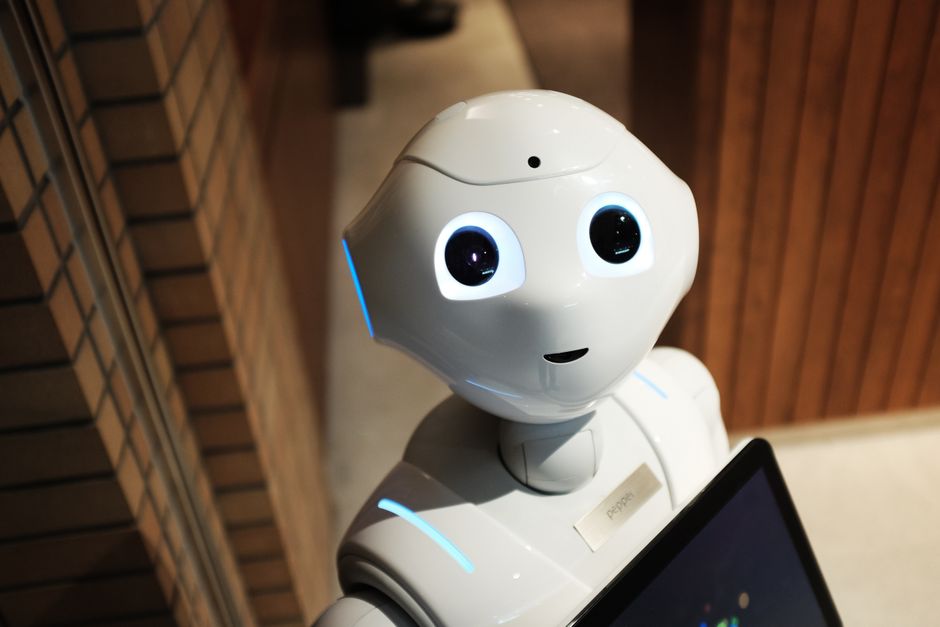
For those who haven't followed the hardware trajectory, Agility has always played the "pragmatic" game. While Tesla’s Optimus is a moonshot aimed at general-purpose labor (and heavily marketed as a futuristic companion), Digit is a specialized tool designed for the "boring" but high-value task of moving bins. By landing in Tesla’s backyard, Digit is essentially auditioning for the roles that Optimus is promised to fill.
The industry implications here are twofold. First, it signals that Tesla is hedging its bets. Despite Elon’s confidence in Optimus, the company is integrating third-party robotics to solve immediate logistical bottlenecks. It proves that the demand for autonomous material handling is outstripping the development speed of proprietary in-house hardware. If you can buy a Digit today that can move a tote from point A to point B, why wait three years for an Optimus prototype to graduate from the factory floor?
Second, this accelerates the "Humanoid Arms Race" from software to integration. The real battle isn't who has the best actuator or the most parameters in their vision model; it's who can survive 12 hours on a warehouse floor without tripping over a stray piece of shrink-wrap. Agility is focusing on the "edge cases" of physical labor—the awkward angles, the grip strength, and the stability of bipedal movement in chaotic environments.
For developers in the robotics and AI space, this is a reminder that the "Brain" (LLMs/VLA models) is only as good as the "Body" (hardware). We are seeing a convergence where foundation models are being plugged into these physical frames to handle natural language commands. Imagine a warehouse manager saying:
# Hypothetical high-level command for a fleet of humanoid bots
robot_fleet.dispatch(task="clear_dock_4", priority="high", entity="Digit_Unit_09")
The gap between a scripted movement and an adaptive behavior is closing. When these bots start learning from their environment via reinforcement learning in a real-world Tesla facility, the data flywheel will spin incredibly fast.
The irony is palpable: Tesla is building a robot to replace humans, but they are using a competitor's robot to help build that very future. This move validates bipedalism as the winning form factor for logistics—wheels are great for flat floors, but the world is built for legs. Agility is proving that the "last mile" of the warehouse is the most profitable place for a humanoid to stand.
All Replies (0)
No replies yet — be the first!