把 AI 当成“编程助手”而不是“万能对话框”,才能真正提高效率
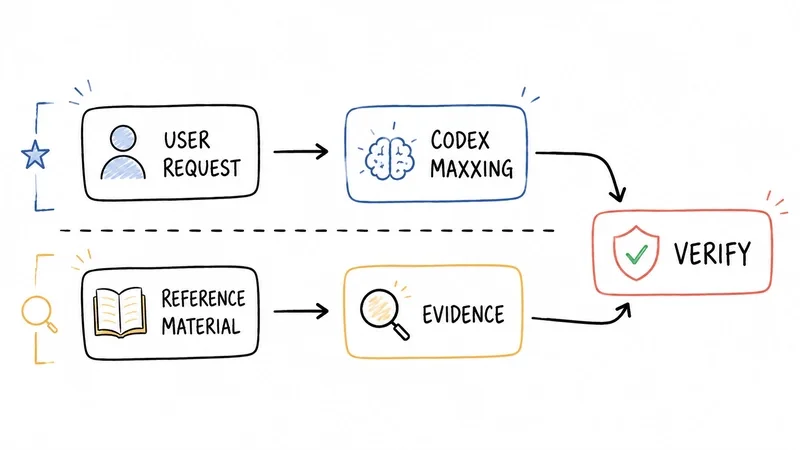
在复杂编程项目中,单纯依赖提示词优化的方法往往会遇到瓶颈。这是因为 AI 并非一个完美的“一次性解决方案”工具,而是需要通过结构化流程才能发挥最大潜力。原理是将其能力转化为可验证的输出,而不是依赖不断修改提示词来逼近“完美答案”。这种方法的核心在于建立一套技能集,让 AI 在执行任务前先进行逻辑过滤,而不是直接进入代码生成阶段。
核心逻辑:流量控制层如何改变代码生成流程
传统的 AI 辅助编程模式会忽略任务复杂度的差异,导致简单任务拖慢效率,复杂任务又无法保证正确性。解决方案是在 AI 与任务之间引入一个流量控制层,类似于网络中的路由器。它会根据任务特性(如需求明确度、影响范围、文件跨度)自动选择执行路径,而非一律进入代码生成环节。
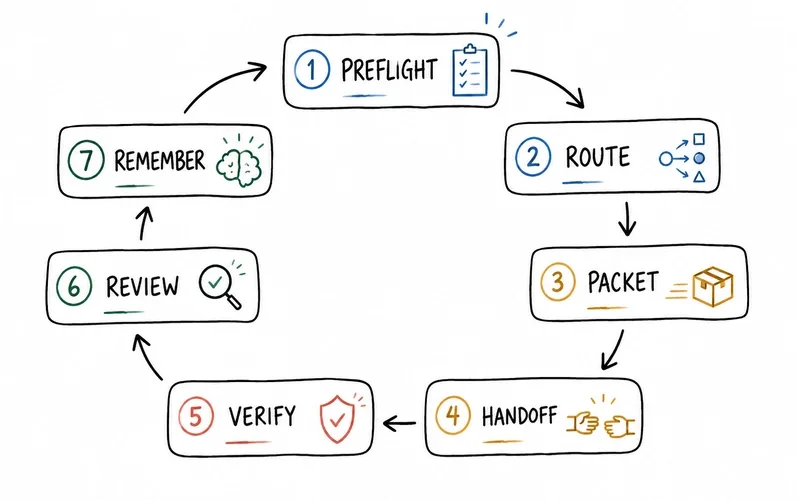
这套流程的关键在于严格步骤化,每一步都有明确的输入输出要求,避免 AI 在信息不完整或理解偏差的情况下盲目执行。具体来说,它将任务拆解为七个环节:
- 前置检查(Preflight):AI 必须先重述任务目标,并明确区分已知条件(如现有代码库结构)与猜测内容。这一步的目的是防止 AI 在信息不完整时误判需求。
- 路由分发(Route):根据任务复杂度选择执行路径。例如:
- 直接执行(适用于修改单一文件、需求明确的小任务)
- 需求访谈(适用于需求模糊的场景,需人工确认)
- 因果调查(适用于需求看似简单但可能涉及多个模块的任务)
- 详细规划(适用于跨多个文件或系统的大规模改动)
这一步的关键在于避免将复杂任务误判为简单任务,导致后续修复成本高昂。
- 数据包定义(Packet):为接手的“Worker”(即具体执行任务的 AI 或人工环节)明确四项约束:
- 任务所有权(谁负责最终结果)
- 范围限制(修改哪些文件或模块)
- 停止触发点(何时终止执行,如遇到阻塞或超出预期影响范围)
- 上下文边界(不得引入无关信息,避免幻觉)
- 精准交付(Handoff):只传递执行任务必需的最小上下文,例如相关文件片段、API 文档链接,而不是整个项目结构。过多的信息会增加 AI 生成幻觉的风险。
- 结果验证(Verify):不依赖 AI 的口头承诺,而是通过三种方式确认输出:
- 检查 Diff(实际修改的代码变化)
- 运行 单元测试(确保功能正确)
- 扫描 影响范围(确认修改不会波及未预期的模块)
- 独立评审(Review):在全新的上下文环境中(例如断开与原始任务的关联),由另一个 Agent 或人工审核结果,并决定其归属:
- ship(直接发布)
- fix-first(先修复问题再重新评估)
- rethink(任务设计或需求理解有误,需重新规划)
- 持久化记忆(Remember):将反复出现的错误模式或修正逻辑记录到仓库的指令集或测试脚本中,避免未来重复犯错。
如何在本地部署这一流程
要在本地环境中应用这套方法,需创建一个技能配置文件 ~/.codex/skills/codex-maxxing/SKILL.md,并填入以下定义(详见官方示例):
---
name: codex-maxxing
description: 对于跨多个文件、工具或需求不明确的任务,通过结构化流程将 AI 的计算能力转化为可验证的证据。适用于需要明确交接、谨慎规划、独立审核和持久化记录的场景。
---

# Codex Maxxing: 从能力到验证

以“最小关注度”换取“最大防护性进展”。保持用户对结果的最终控制权,为每个执行环节设定边界,并在提供证据前不视为完成。

## 如何应对不同复杂度任务的不对称优化

这是一个**编排技能**,会根据任务轻重自动选择最合适的流程。例如:
- 对于修改单行代码的任务,流程会简化为“直接执行 → 验证 → 发布”。
- 对于需求不明确或影响范围广泛的任务,则强制执行完整的七步流程。
配置完成后,通过指令 Use $codex-maxxing for this task. Keep the change bounded and report proof. 调用。这条指令的作用是:
- 触发流量控制层:AI 不会立即生成代码,而是先经过路由分发。
- 限制修改范围:明确要求“保持变更有界”(
bounded),避免大范围影响。 - 强制提供证据:要求 AI 在完成任务后提交可验证的输出(如 Diff、测试报告)。
适用场景:
- 任务涉及多个文件、工具或不确定需求时。
- 需要跨团队协作且责任边界不明确的场景。
- 历史中曾因 AI 生成代码幻觉或遗漏导致问题的项目。
不适用场景:
- 任务极其简单(如修改配置文件中的单个参数),流程开销大于收益。
- 团队成员对 AI 输出完全不信任,无法接受结构化流程带来的初始延迟。
全部回复 (3)
想当场把话说完?进全球 AI 聊天室,登录就能开口。
先写测试用例跑通再改代码,效率起码提升了三倍,太爽了。特别是在利用 AI 进行编程时,不少人试图通过反复打磨提示词来追求一次性输出正确答案,但在面对复杂项目时这种方式往往会失效。Codex Maxxing 的核心逻辑在于:不要寄希望于单一的完美 Prompt,而是要构建一套技能集,将 Agent 的计算能力转化为可以被验证的结果。在利用 AI 进行编程时,不少人试图通过反复打磨提示词来追求一次性输出正确答案,但在面对复杂项目时这种方式往往会失效。Codex Maxxing 的核心逻辑在于:不要寄希望于单一的完美 Prompt,而是要构建一套技能集,将 Agent 的计算能力转化为可以被验证的结果。本质上,这是为 Agent 引入了一个流量控制层。面对任务时,它不再是盲目地开始写代码,而是先进行逻辑判断:是直接执行、需要访谈确认需求,还是先对代码仓库进行审计?为了落地这一逻辑,我将这套工作流拆解为若干严格步骤,并将其配置在本地技能库中。具体的执行链路这套流程遵循「能力 → 证明」的闭环逻辑,具体执行步骤如下:前置检查 (Preflight):要求 Agent 必须重述目标并检查仓库现状,明确区分已知事实与主观猜测。路由分发 (Route):依据任务复杂度选择路径,包括直接执行、需求访谈、因果调查或详细规划。定义数据包 (Packet):为接手的 Worker 明确所有权、范围、约束条件以及停止触发点。精准交付 (Handoff):仅提供必要的上下文,避免因信息过载引发幻觉。结果验证 (Verify):通过检查真实的 Diff、运行测试及扫描影响范围来验证,而非听信 AI 的口头承诺。独立评审 (Review):在全新的上下文环境中判定结果属于 ship(发布)、fix-first(先修复)还是 rethink(重新思考)。持久化记忆 (Remember):将重复出现的错误或修正逻辑写入仓库的指令集或测试脚本中。实操部署若要在本地环境尝试,请创建技能文件 ~/.codex/skills/codex-maxxing/SKILL.md 并写入以下定义: ```markdown --- name: codex-maxxing description: Route ambiguous, multi-step, or high-impact work through a bounded Codex workflow that converts agent capacity into inspectable proof. Use when a task spans multiple files, agents, tools, or uncertain requirements and needs scoped handoffs, deliberate planning, independent review, and durable repository memory. --- # Codex Maxxing:
项目文件一旦过百个 Agent 就开始断掉,这种断片儿的感觉真的太心累了。把 Agent 当成单纯的对话窗口用简直是浪费。在利用 AI 进行编程时,不少人试图通过反复打磨提示词来追求一次性输出正确答案,但在面对复杂项目时这种方式往往会失效。Codex Maxxing 的核心逻辑在于:不要寄希望于单一的完美 Prompt,而是要构建一套技能集,将 Agent 的计算能力转化为可以被验证的结果。
如何引入流量控制层优化代码生成流程?本质上,这是为 Agent 引入了一个流量控制层。面对任务时,它不再是盲目地开始写代码,而是先进行逻辑判断:是直接执行、需要访谈确认需求,还是先对代码仓库进行审计?为了落地这一逻辑,我将这套工作流拆解为若干严格步骤,并将其配置在本地技能库中。
具体的执行链路遵循「能力 → 证明」的闭环逻辑,具体执行步骤如下:
- 前置检查 (Preflight):要求 Agent 必须重述目标并检查仓库现状,明确区分已知事实与主观猜测。
- 路由分发 (Route):依据任务复杂度选择路径,包括直接执行、需求访谈、因果调查或详细规划。
- 定义数据包 (Packet):为接手的 Worker 明确所有权、范围、约束条件以及停止触发点。
- 精准交付 (Handoff):仅提供必要的上下文,避免因信息过载引发幻觉。
- 结果验证 (Verify):通过检查真实的 Diff、运行测试及扫描影响范围来验证,而非听信 AI 的口头承诺。
- 独立评审 (Review):在全新的上下文环境中判定结果属于
ship(发布)、fix-first(先修复)还是rethink(重新思考)。 - 持久化记忆 (Remember):将重复出现的错误或修正逻辑写入仓库的指令集或测试脚本中。
若要在本地环境尝试,请创建技能文件 ~/.codex/skills/codex-maxxing/SKILL.md 并写入以下定义:
---
name: codex-maxxing
description: Route ambiguous, multi-step, or high-impact work through a bounded Codex workflow that converts agent capacity into inspectable proof. Use when a task spans multiple files, agents, tools, or uncertain requirements and needs scoped handoffs, deliberate planning, independent review, and durable repository memory.
---
# Codex Maxxing: Capacity to Proof
Maximize defensible progress per unit of attention. Keep the user in charge of the outcome, give each worker a bounded responsibility, and require evidence before calling work complete.
## 该方案如何实现不对称优化以
直接让它写脚本跑,报错日志原封不动甩回去,同时要求 Agent 必须重述目标并检查仓库现状,明确区分已知事实与主观猜测,这才是Agent的正确打开方式!