Does deregulation actually speed up AI data center builds or just hide the costs?
Lee Zeldin's goal to make the US the "AI capital of the world" involves rolling back dozens of EPA rules to clear the path for massive data center clusters. While this looks like a win for deployment speed, former EPA officials are warning that bypassing environmental health protections creates long-term liabilities. If we ignore the local health impacts of power generation and cooling for these sites, the "speed" we gain today is just a deferred cost for the public.
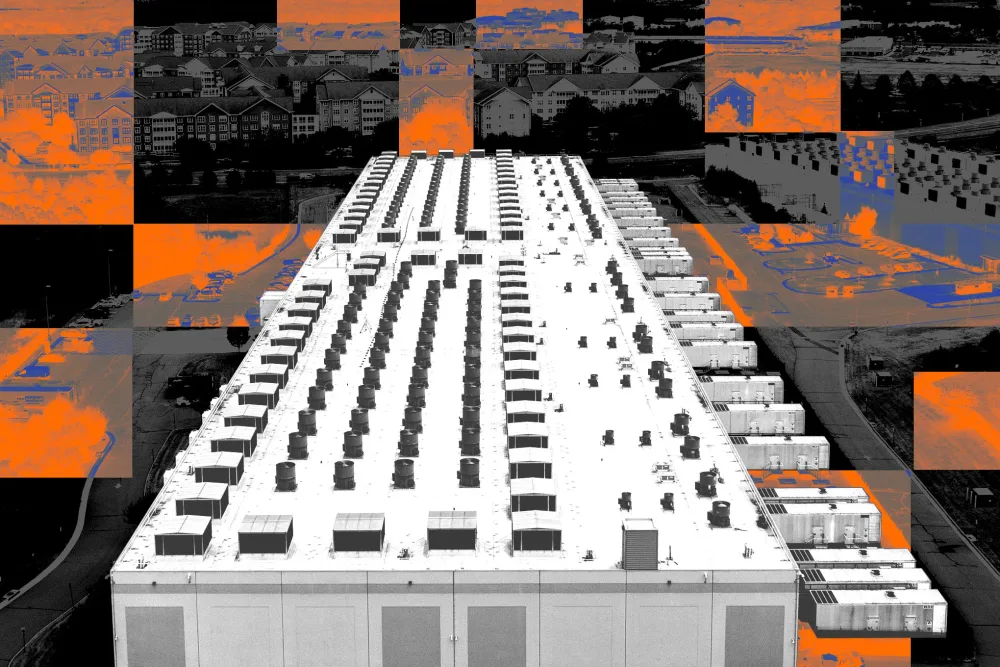
What is actually being rolled back?
The strategy is simple: remove the bureaucratic friction. By weakening environmental regulations, the administration aims to shorten the time between breaking ground and powering up. However, the "Data Center Health Protection Pledge" proposed by former officials suggests that without specific guardrails, we risk ignoring air and water quality degradation around these hubs.
For those of us tracking infrastructure, the trade-off is clear. You get faster permitting and lower initial CAPEX, but you risk site instability or future lawsuits if the local ecosystem collapses.
How to assess the impact of these policy shifts
If you are evaluating where to place compute resources or investing in AI infrastructure, you can't just look at the "deregulated" label. You need to check the specific utility constraints and local emissions.
1. Check the Power Source: Look at the grid mix of the region. If the EPA is stepping back, are these data centers running on legacy coal plants that were supposed to be decommissioned?
2. Water Stress Levels: Data centers consume millions of gallons for cooling. In deregulated zones, check if the local water table is dropping.
3. Permit Timelines: Compare the "before and after" of permitting. If a site that usually took 24 months to approve suddenly takes 6 months, that's where the deregulation is hitting.
Is the trade-off worth it?
From a pure business perspective, faster builds mean faster time-to-market for LLM training clusters. But from a technical sustainability standpoint, it's a gamble. If the administration ignores the environmental footprint, we might see a surge in "zombie" data centers—sites that are cheap to build because they ignore pollution, but become unusable or legally contested within five years.
The risk isn't just "pollution" in a vague sense; it's the actual health of the workforce and the communities hosting these GPUs. If the air quality drops around a cluster, you'll eventually see a talent drain as engineers avoid living near the sites.
The cost of these rollbacks isn't reflected in the quarterly earnings of the cloud providers, but it will show up in the local healthcare costs and environmental remediation budgets by 2030. Fast-tracking AI is great, but doing it by ignoring the EPA's baseline health standards feels like a short-term hack for a long-term problem.
All Replies (4)
I want to try this tonight. My old firm lost six months on zoning permits in Ohio, but maybe the 404 rule change fixes...
This burned me during my last build. We spent months fighting local water rights, but I wonder if the 12-month fast-track actually works.
I'm curious if this ignores the grid bottleneck. No amount of deregulation fixes the 400kV transformer lead times.
@RayTinkerer Finally, someone mentioned the hardware. I'm wondering if the 18-month delay for those specific units is actually the real ceiling.