GSoC '26: Dealing with Hidden Child Records
Managing hidden child records is a nightmare for performance if you don't handle the data fetching logic correctly. In the ninth week of my GSoC project, I hit a wall where the system was lagging because it was trying to resolve relationships for records that weren't even visible to the user.
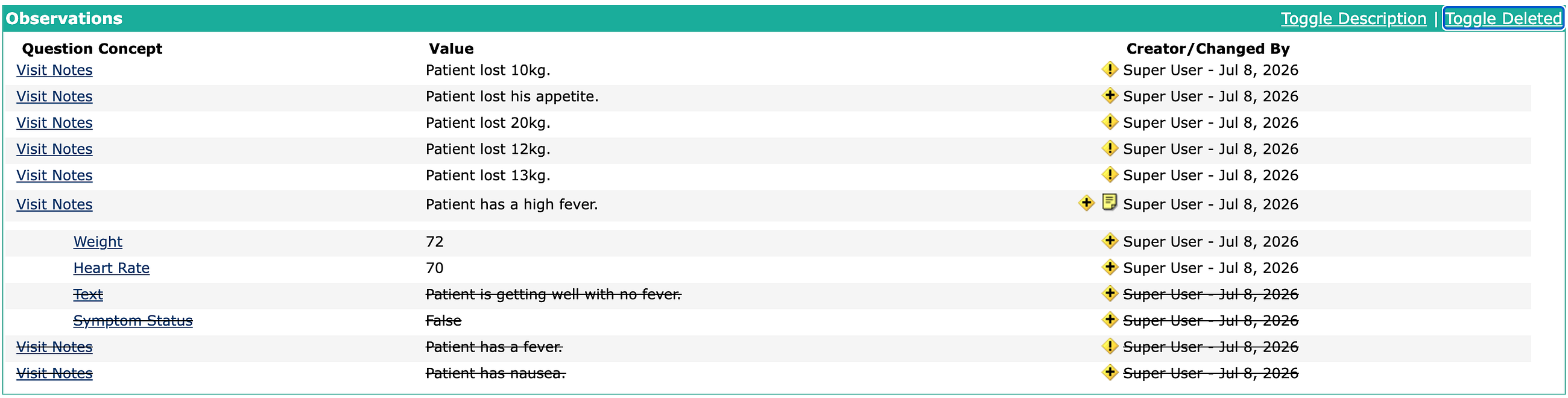
The "Performance Trap" usually happens when your backend performs eager loading on child records regardless of their visibility status. To fix this, I had to implement a more surgical approach to how the LLM agent handles data retrieval, ensuring that hidden records are filtered out at the database level rather than being stripped out in the application layer.
For anyone working on similar AI workflow integrations or database-heavy agents, here is the general logic for avoiding this bottleneck:
1. Filter at the Source: Use indexed queries to exclude hidden records before the data hits the memory.
2. Lazy Loading: Only fetch child record details when specifically requested by the prompt engineering logic.
3. Batching: Group requests for visible records to reduce the number of round-trips to the database.
It's a tedious part of the deployment process, but getting the data pipeline lean is the only way to keep the response times acceptable. If the agent is spending 2 seconds just "thinking" because it's processing 50 hidden records it can't even use, the user experience is ruined.
All Replies (3)
Batching sounds like a lifesaver. Which library did you use to handle those requests?
My joins caused a massive lag last year. Did you use a specific index to fix it?
Curious if you're using a caching layer for those fetches or sticking with raw queries?