Crunchbase Ranking: A Weird Metric Deep Dive
Crunchbase ranks individuals based on a combination of their professional influence, the funding of the companies they are associated with, and general web visibility. It's essentially a "prestige score" for the startup world, but it's notoriously volatile.
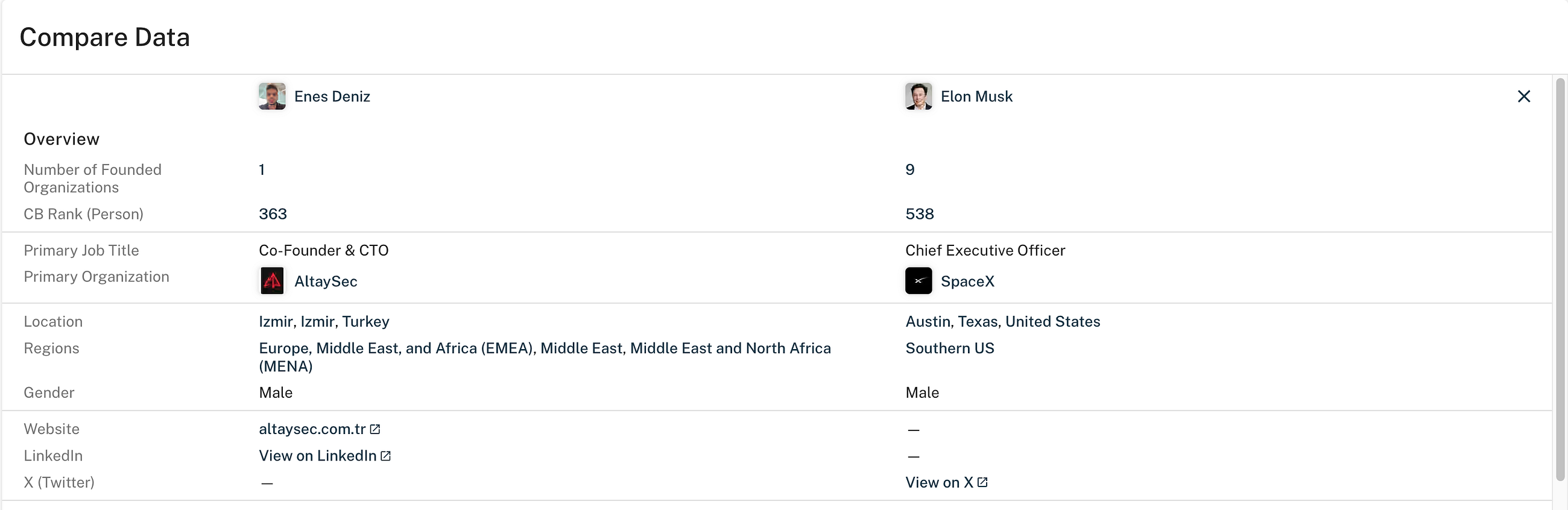
I recently saw a screenshot where a random user's CB Rank was 363 while Elon Musk's was 538. On paper, that looks like a massive victory, but in reality, it's a glitch in how the algorithm weights temporary spikes or specific data associations.
If you're trying to understand how these rankings work for your own AI workflow or professional branding, keep these points in mind:
- Data Lag: Crunchbase often pulls from fragmented sources. A sudden update in a company's funding round can temporarily catapult an executive's rank before the system normalizes.
- Weighting: The "influence" metric isn't a direct measure of wealth or power; it's a measure of data connectivity within their specific ecosystem.
- Volatility: These numbers can swing wildly based on news cycles or metadata changes.
Free AI toolbox — all free to use
All Replies (4)
N
L
Founders always freak out when their rank dips after a pivot. Why is this so volatile?
0
Is this pulling from the LinkedIn API or just scraping public web data for visibility?