RAG for Business: A Practical Implementation Guide
Retrieval-Augmented Generation (RAG) is often pitched as a magic bullet for LLM hallucinations, but for actual business deployment, the gap between a "demo" and a "production-ready" system is massive. The core value is simple: instead of relying on the model's frozen training data, you hook it up to your own live knowledge base.
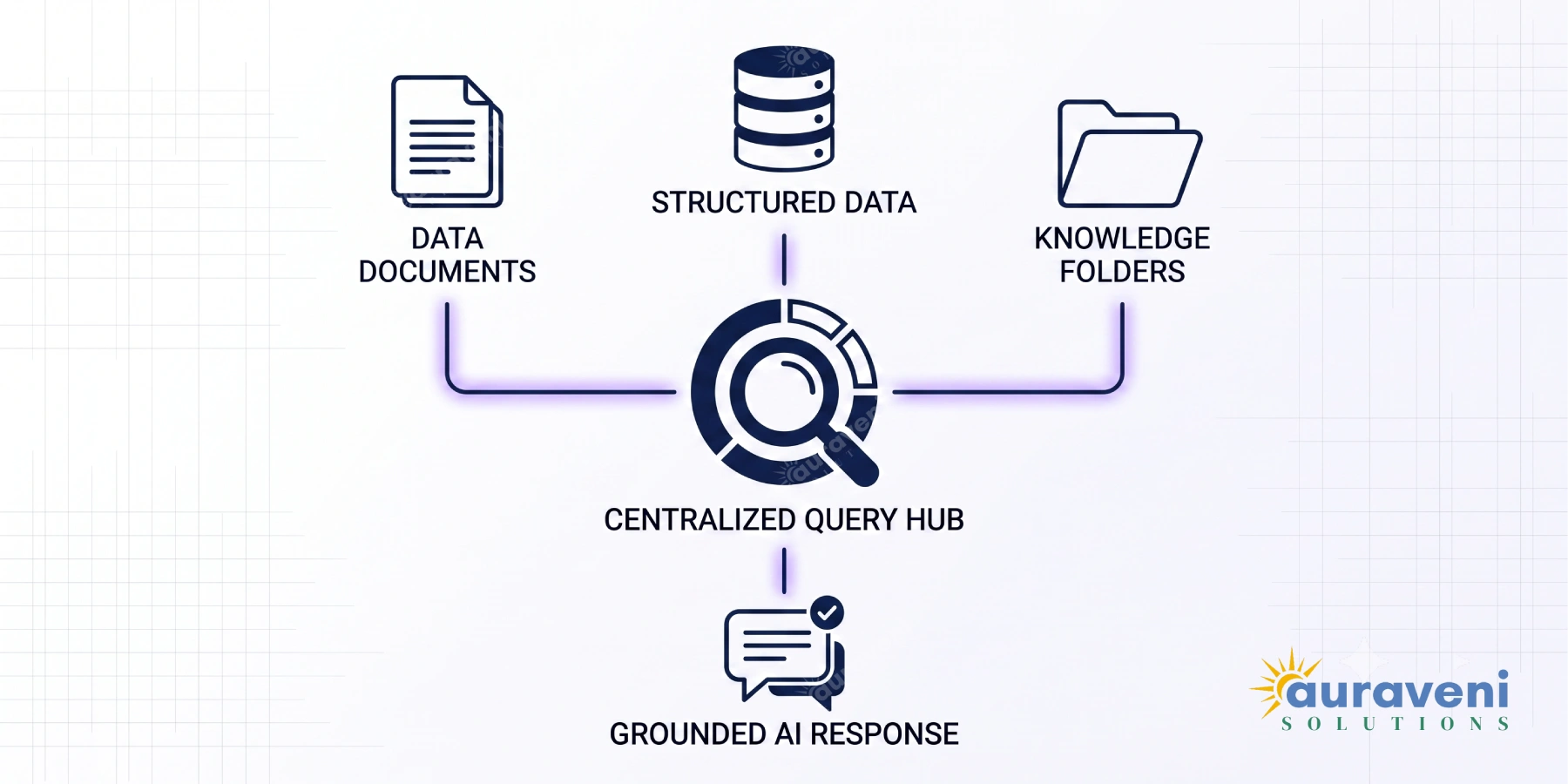
If you are building this from scratch, you need to account for the actual infrastructure costs and the "chunking" nightmare. Most beginners fail because they ignore the quality of their data retrieval; if the retriever pulls the wrong document, the LLM will confidently summarize the wrong information.
For a real-world AI workflow, your stack typically looks like this:
1. Data Ingestion: Cleaning PDFs/Docs and splitting them into manageable chunks.
2. Embedding Model: Converting text into vectors (this is where latency starts to creep in).
3. Vector Database: Storing those embeddings for fast similarity searches.
4. LLM Integration: Feeding the retrieved context into the prompt to generate the final answer.
The biggest hidden cost isn't the API tokens—it's the engineering hours spent on prompt engineering and refining the retrieval pipeline to stop the model from ignoring the provided context. If your business has static data that rarely changes, a simple RAG setup works. But for dynamic data, you'll need a sophisticated indexing strategy or you'll be fighting hallucinations indefinitely.
Running RAG without an evaluation framework is pure guesswork. Which tool are you using to track accuracy?