Text-to-Video: No More Manual Timelines
Writing a description of a chart in plain English and getting a rendered MP4 twenty seconds later is a massive shift in how we handle content creation. The traditional video editing workflow—fighting with keyframes, scrubbing through timelines, and hunting for the right tutorial to animate a simple data point—is becoming obsolete for basic visualization.
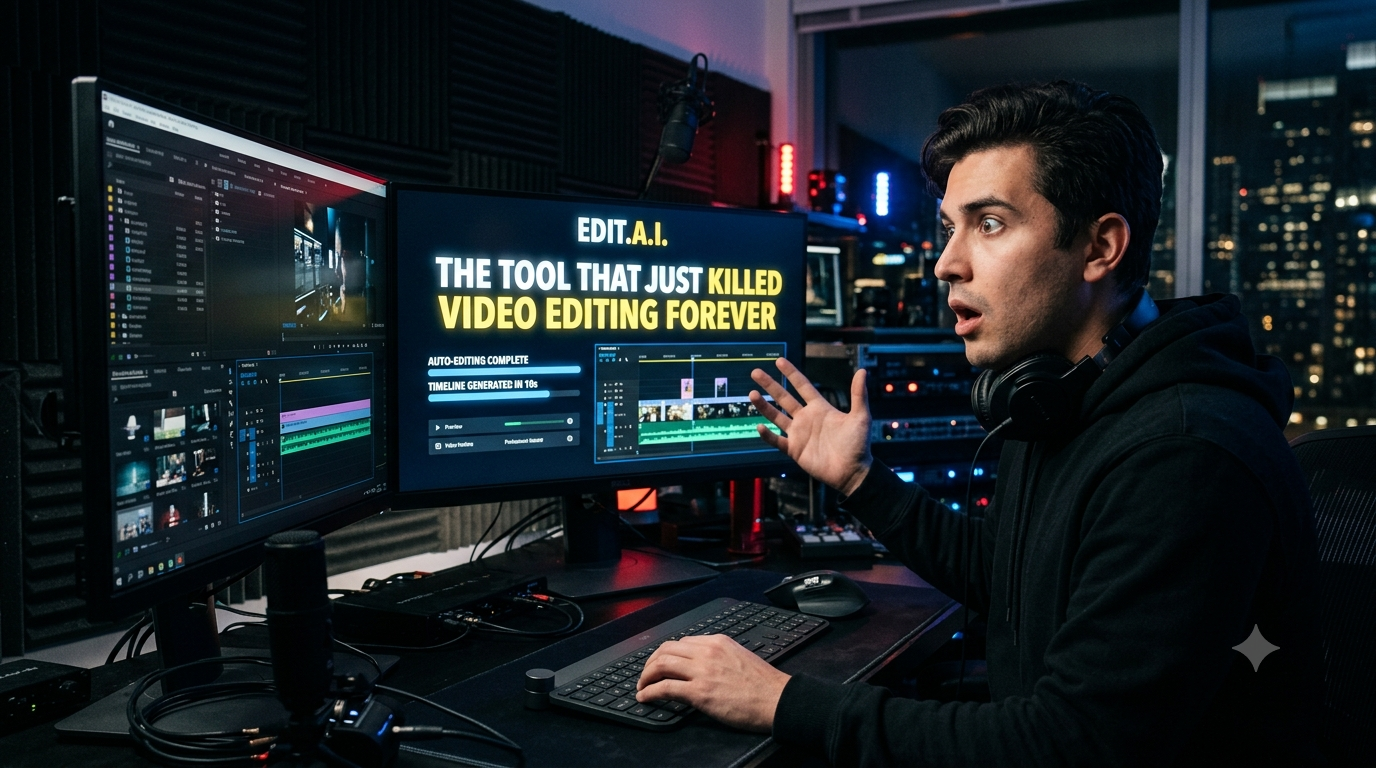
This is a practical shift toward an AI workflow where the "edit" happens in the prompt, not in a software suite. Instead of spending an hour manually animating a bar chart or a line graph, you describe the data movement and the tool handles the rendering.
For anyone looking to integrate this into a real-world production pipeline, the value isn't just in the speed, but in the iteration cycle. You can tweak a visual by changing a sentence rather than re-rendering a complex project file. It turns video production into something closer to prompt engineering than traditional cinematography.
If you're tired of the steep learning curve of professional NLEs for simple assets, switching to a generative video approach is the move. It removes the technical barrier between having a data insight and having a visual asset that explains it.
Excited for this, but can it actually handle custom branding colors or just templates?