DSpark: Solving LLM Inference Bottlenecks
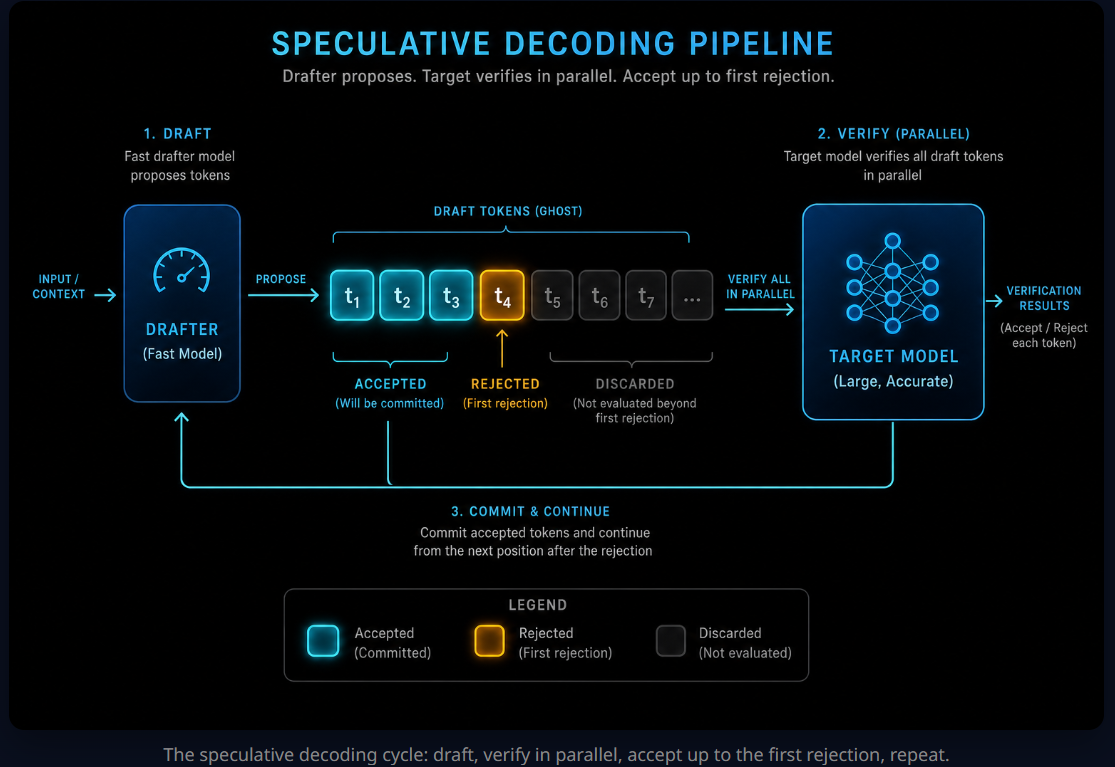
I've been digging into the architecture to see if it actually solves the KV cache bloat that plagues long-context windows. The core issue with standard inference is that as the sequence length grows, the memory required for the Key-Value (KV) cache explodes, leading to frequent memory swaps or crashes on consumer-grade hardware.
From a deployment perspective, DSpark focuses on a more efficient sharding strategy. Instead of simple tensor parallelism, it looks at reducing the communication overhead between GPUs, which is usually where the latency spikes happen in distributed setups.
If you're trying to implement a similar AI workflow for local deployment, the primary bottleneck to watch for is the interconnect speed (NVLink vs PCIe). Even with optimized kernels, the hardware bus often becomes the limiting factor. For those doing a deep dive into LLM agent performance, focusing on memory-efficient attention mechanisms is the only way to scale context without linear latency increases.